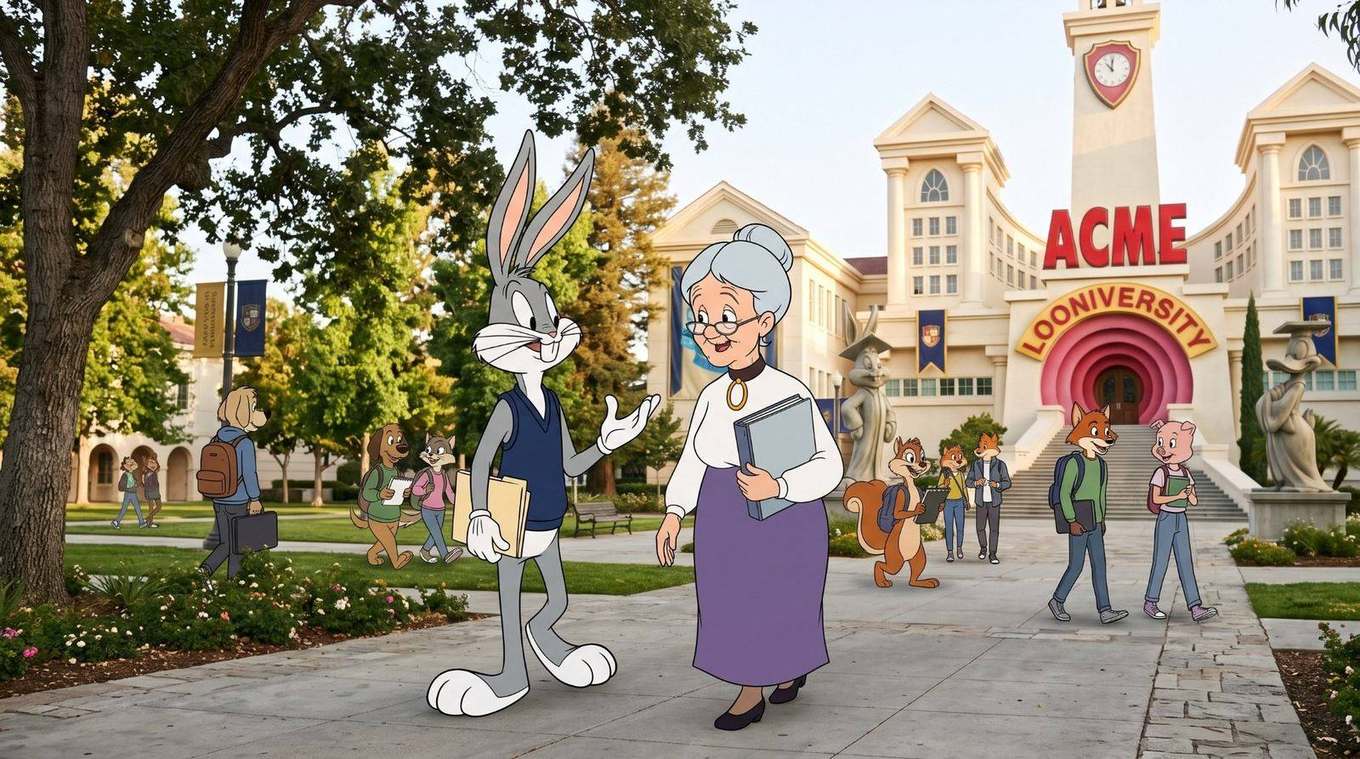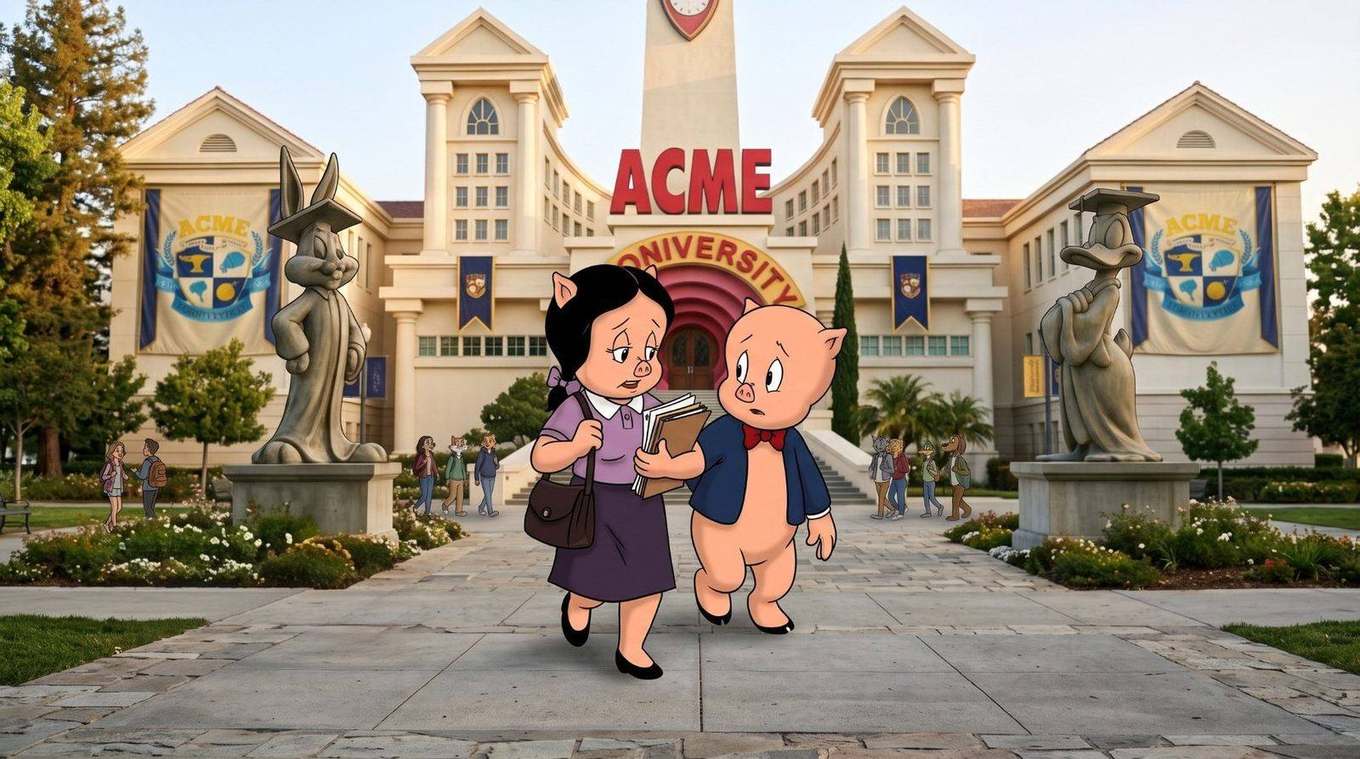
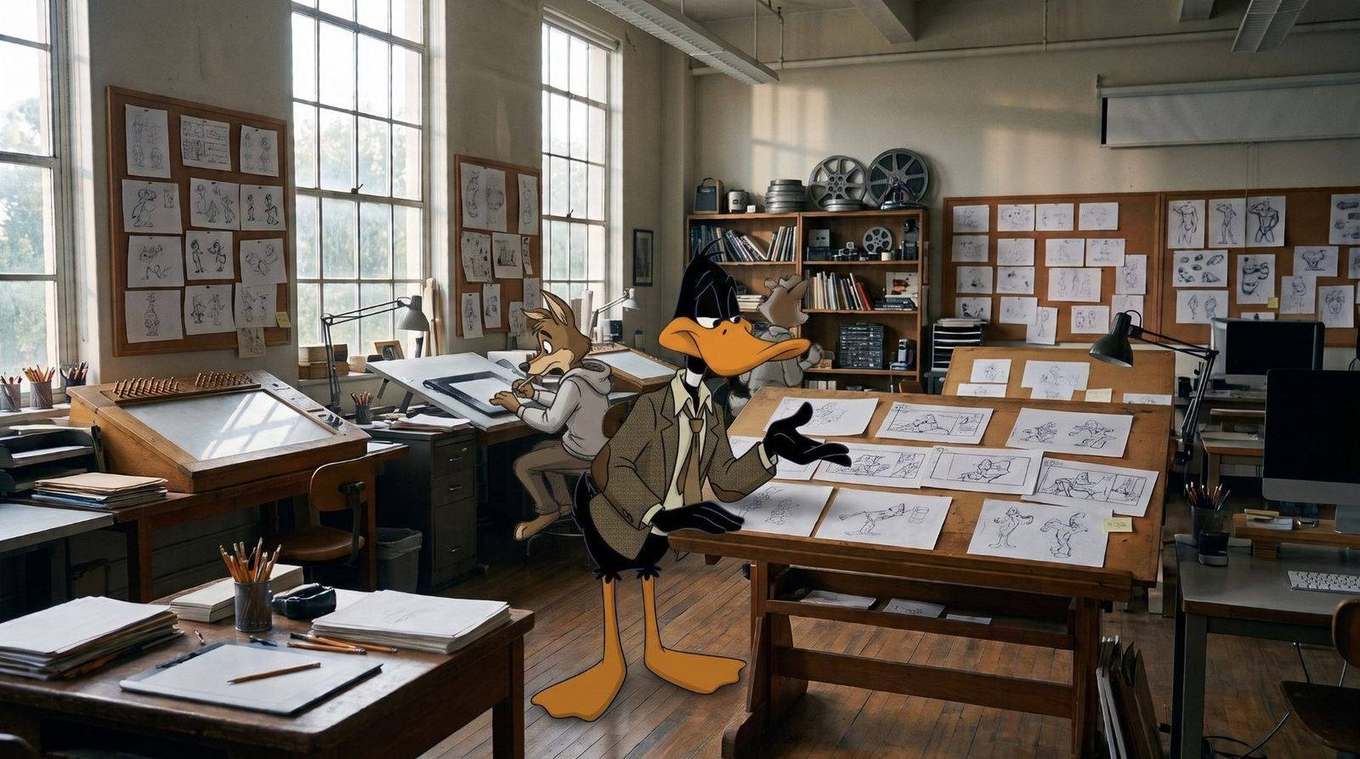
ACME Looniversity's proposed modernization initiative is facing growing faculty opposition over provisions that could give entertainment studios preferential access to original student productions.
The concerns center on Future Frames, the university's long-range effort to modernize its curriculum, upgrade production facilities and expand industry partnerships.
According to faculty members familiar with the discussions, a preliminary proposal would allow participating studios the first opportunity to negotiate distribution or licensing agreements for original films created in designated university programs.
Supporters argue that such arrangements could provide students with valuable professional exposure. But several instructors question whether the language adequately protects students' right to decline.
"I'm all for new equipment and getting studio people into the classroom," said Daffy Duck, who teaches Animation and Direction. "But if a student makes a film, they ought to know exactly what they're agreeing to before somebody starts shopping it around."
The provision would not automatically transfer copyrights to a studio or the university. Nevertheless, faculty members worry that students could feel obligated to participate in commercial negotiations as part of their coursework.
"A student should be able to say 'no, thank you' without worrying they've disappointed their teacher or damaged their future," said longtime instructor Miss Cud. "That's part of learning, too."
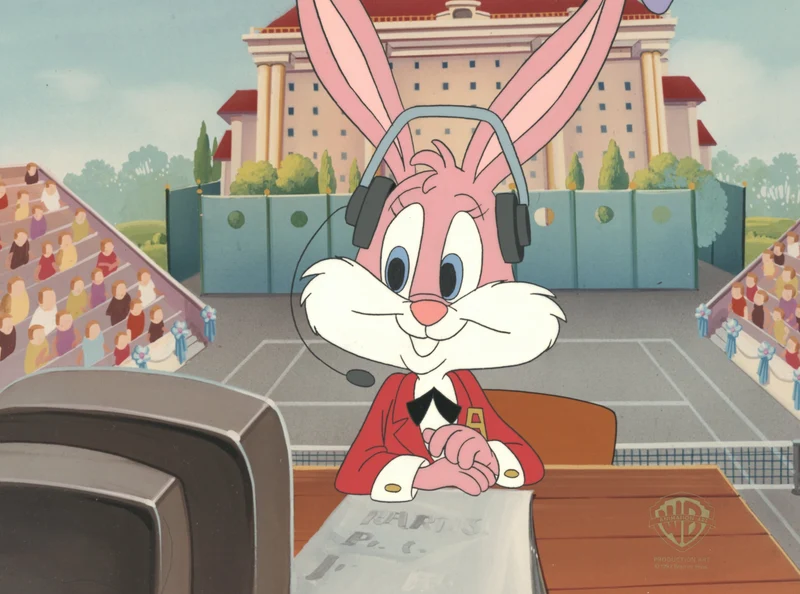
The dispute follows a contentious faculty meeting held September 25, just four days before the death of principal Bugs Bunny.
According to people familiar with the discussion, Bunny supported improvements to the school's aging facilities but objected to any arrangement that might compromise students' creative independence.
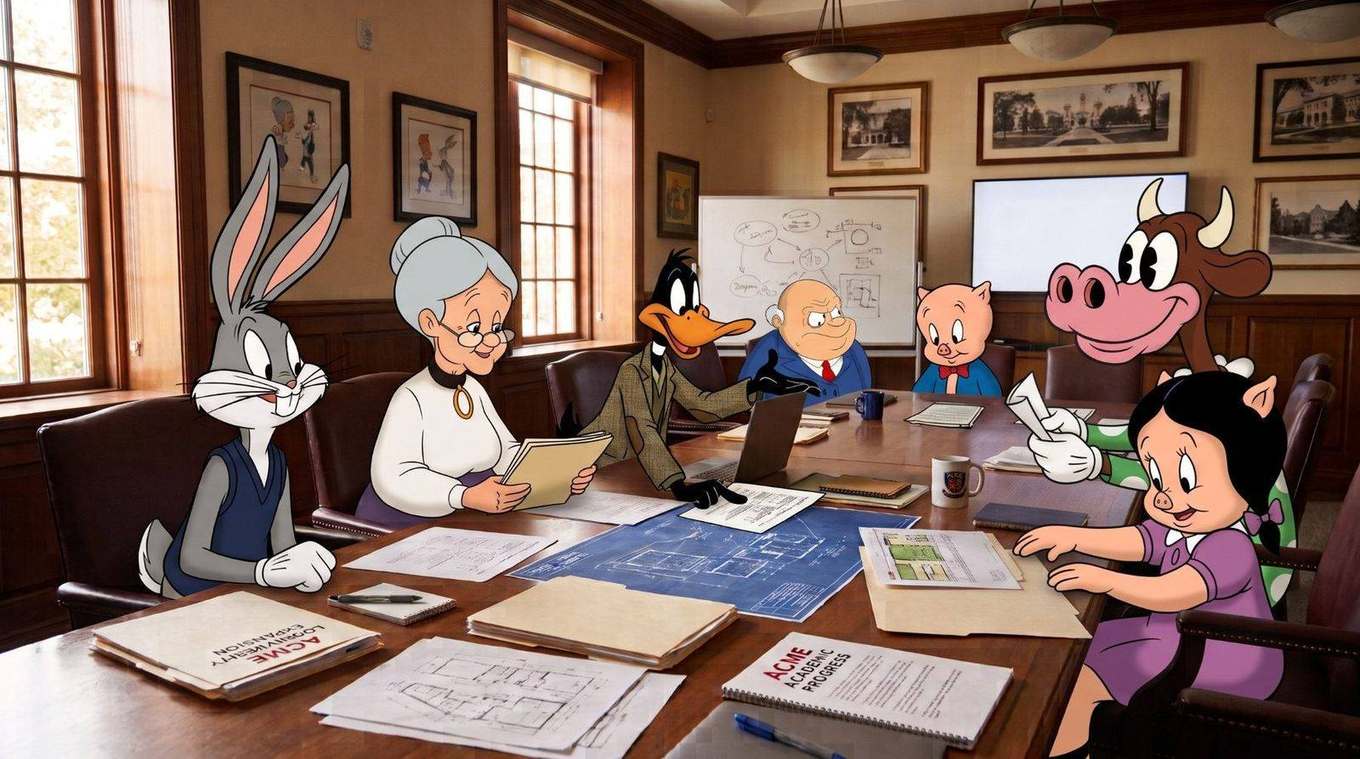
His death has left Dean Granny overseeing the university at a particularly uncertain moment.
"No agreement concerning student film rights has been approved," Granny said in a statement. "Our faculty have raised important questions, and those questions deserve careful answers."
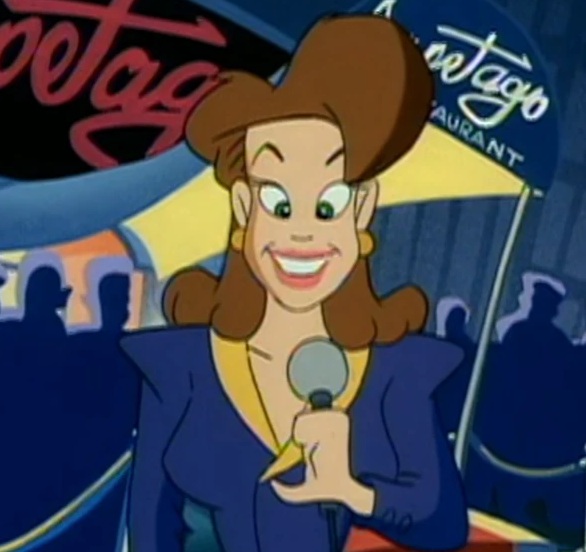
Thaddeus Plotz, a former Warner Bros. executive and visiting lecturer involved in the modernization discussions, defended the potential benefits of industry participation.
"Students need more than a diploma and a pat on the back," Plotz said. "They need contacts, experience and a realistic understanding of how this business works. An opportunity to negotiate with a studio is not the same thing as giving that studio ownership of your work."
Other faculty members have expressed concerns about possible departmental consolidation and its implications for teaching positions.
Porky Pig, who teaches Character and Performance, said faculty members want assurances that traditional instruction will remain central to the university's mission.
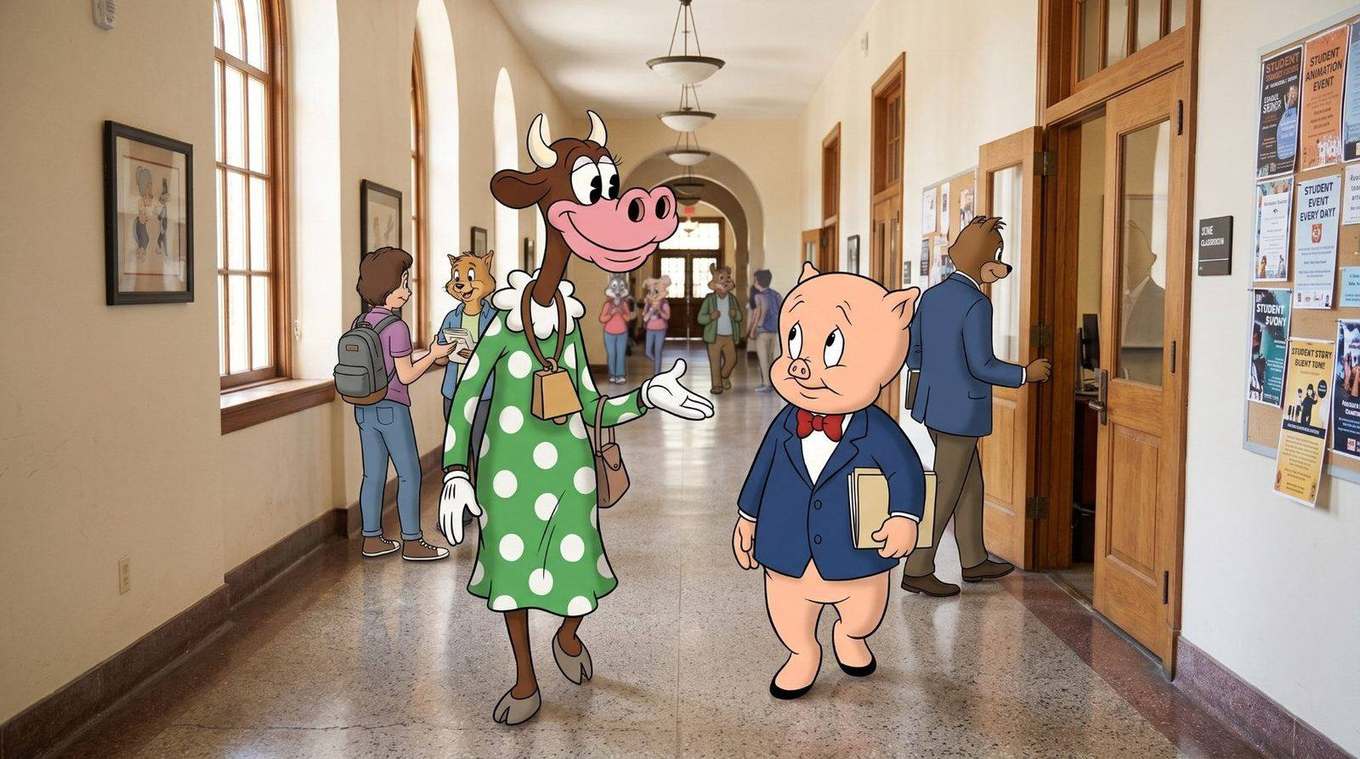
"We all want the students to have the b-b-best opportunities," Pig said. "But we've got good teachers here, too. I just hope there's still room for everybody."
The university emphasized that no staffing reductions or binding commercial agreements have been approved.
Future Frames builds on the school's expanding Mars University exchange, which administrators have cited as an early example of how outside partnerships can create new opportunities for students.
But as ACME considers extending that model to production and distribution, the faculty debate highlights a difficult balancing act between commercial opportunity and artistic independence.
For a school built on teaching young Toons to create something entirely their own, the question is becoming increasingly urgent:
Who gets to decide what happens to it?