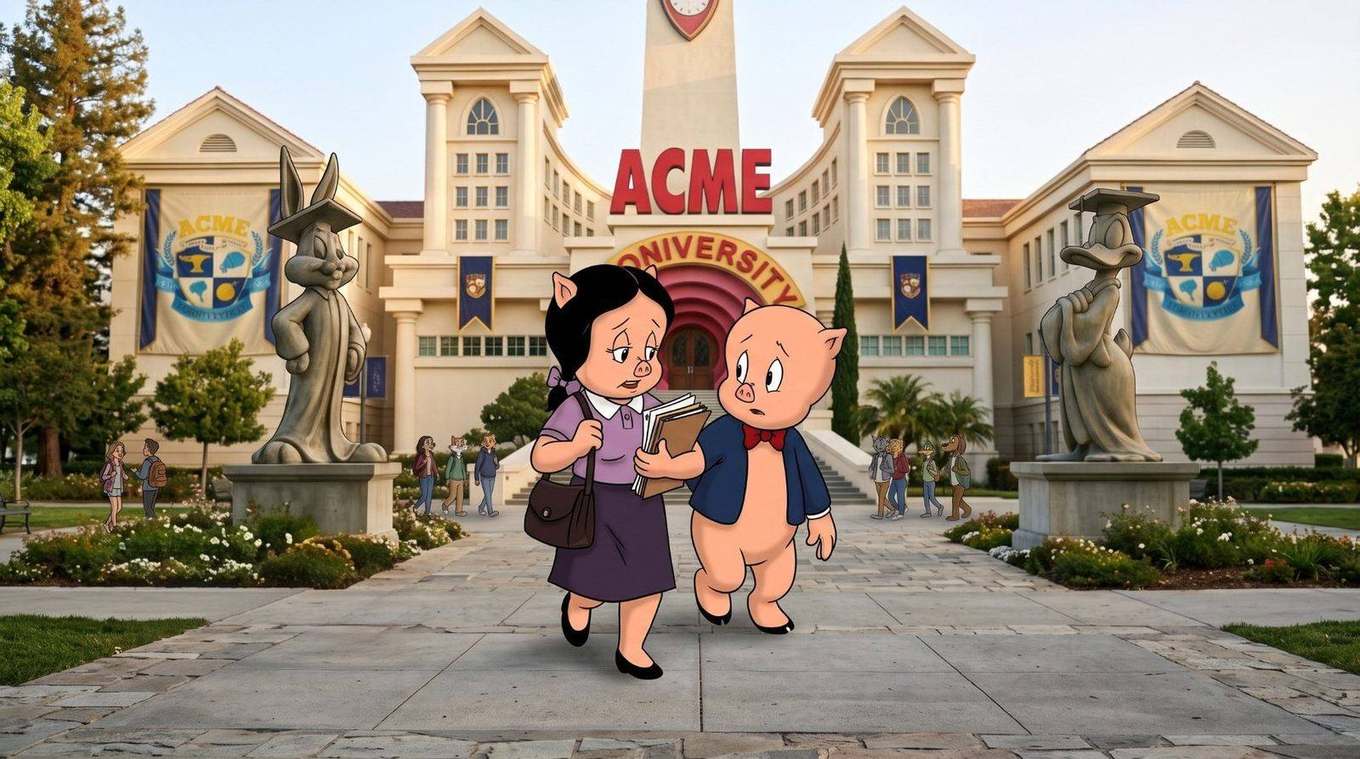
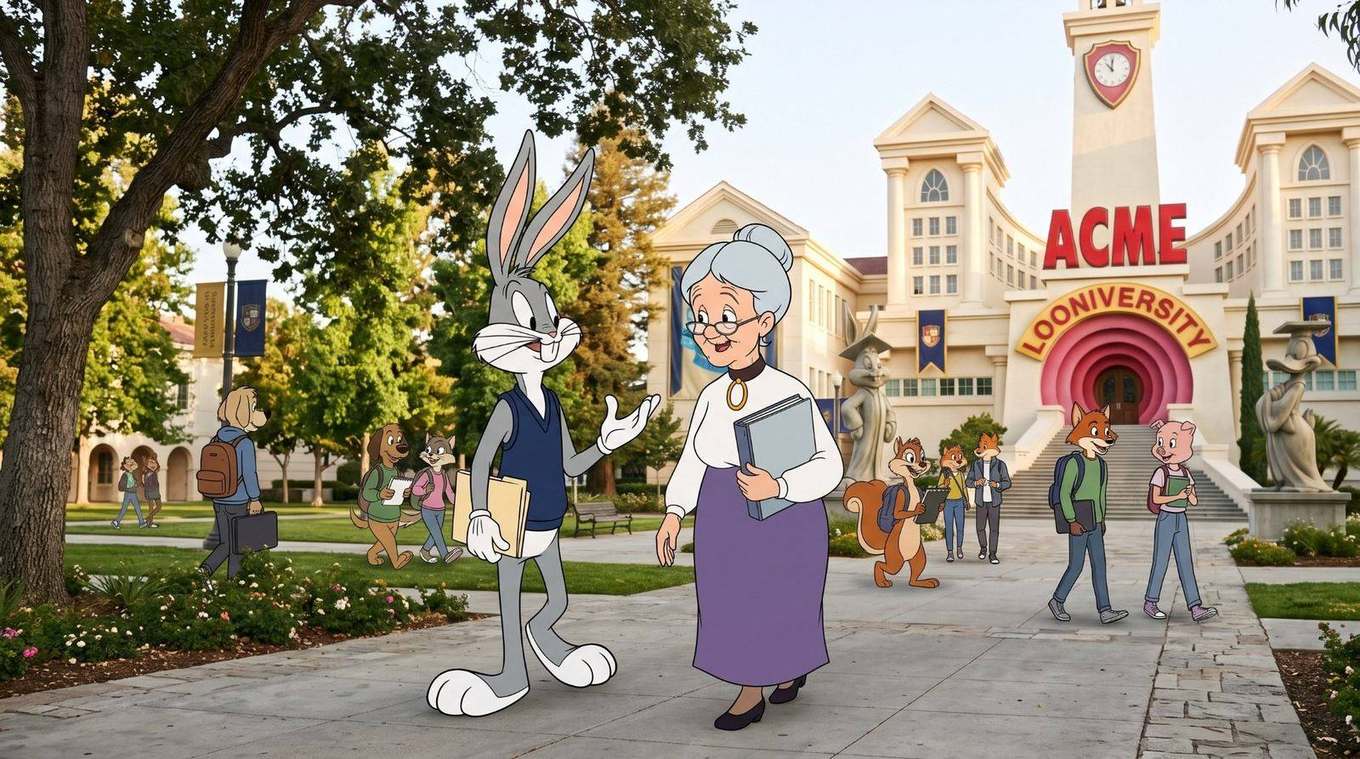
ACME Looniversity is considering a broad modernization effort that could reshape the next generation of Toon education, beginning with its newly expanded exchange program with Mars University.
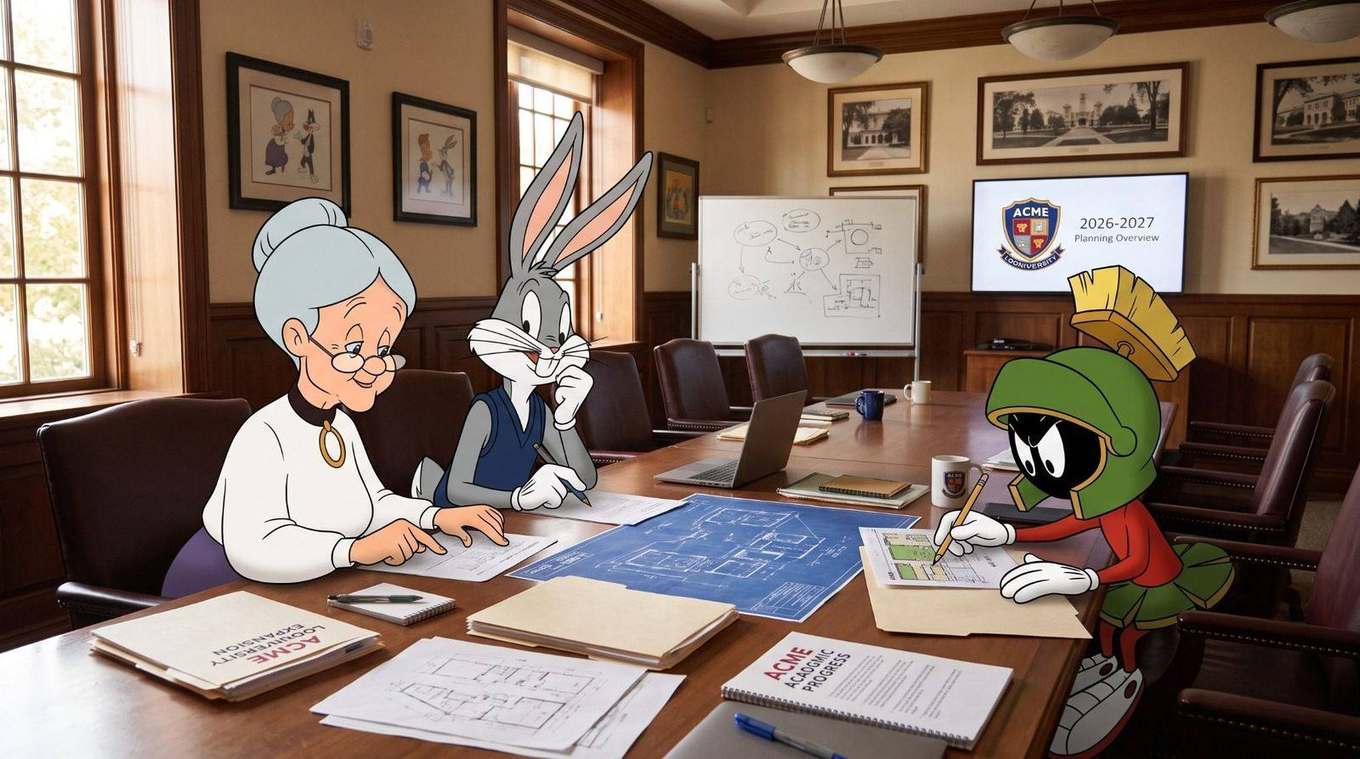
University officials and faculty members have spent recent weeks evaluating an initiative known internally as Future Frames, a long-range planning effort focused on academic growth, production technology and career development at a moment when the broader animation industry is facing unusual uncertainty.
The proposal remains under review, and no final plan has been adopted. But early discussions suggest the university is exploring new ways to prepare students for an increasingly competitive entertainment landscape.
The first visible step is already underway.
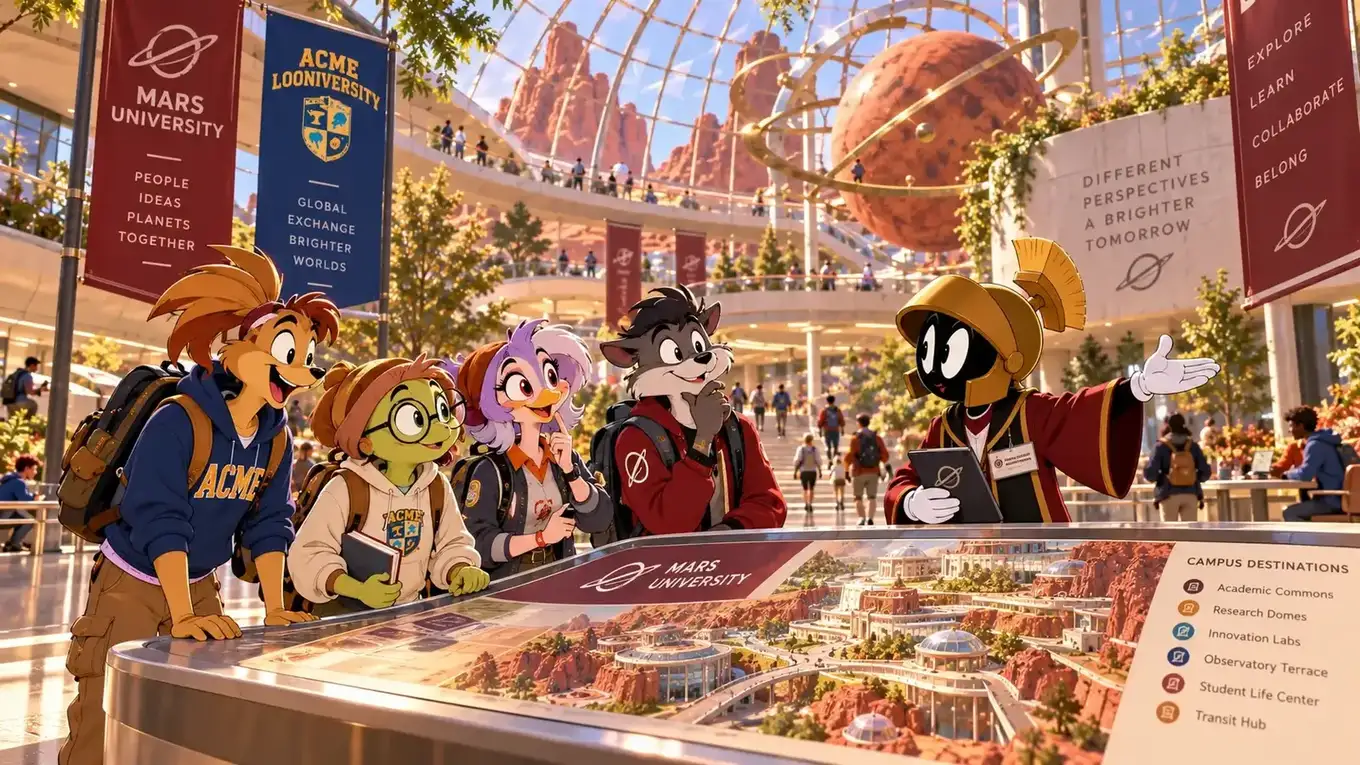
Earlier this semester, ACME Looniversity launched the latest phase of its academic partnership with Mars University, allowing select students to study off-planet through a growing interplanetary exchange. Administrators describe the program as both an educational opportunity and a test case for how the school might expand its reach beyond traditional campus instruction.
“Students deserve access to the tools and experiences that will define the future of this industry,” Granny, the university’s dean, said in a statement. “Our responsibility is to help them grow as artists, performers and citizens of a much larger world.”
The planning effort arrives at a delicate time for animation institutions and studios alike. The proposed Paramount–Warner Bros. merger has raised fresh questions across Hollywood about library management, long-term franchise development and the ways major media companies will cultivate new talent.
At ACME Looniversity, those broader industry questions have helped sharpen a more immediate one: how should a school founded to nurture Toon performers evolve without losing the creative values that made it distinctive in the first place?
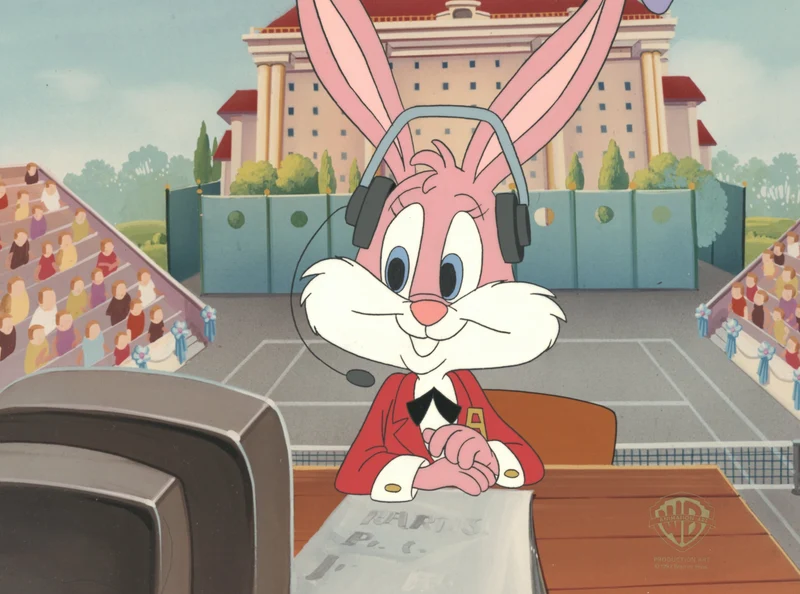
Bugs Bunny, the university’s principal and one of its most recognizable longtime educators, has been involved in the early conversations alongside Granny and other senior figures on campus.
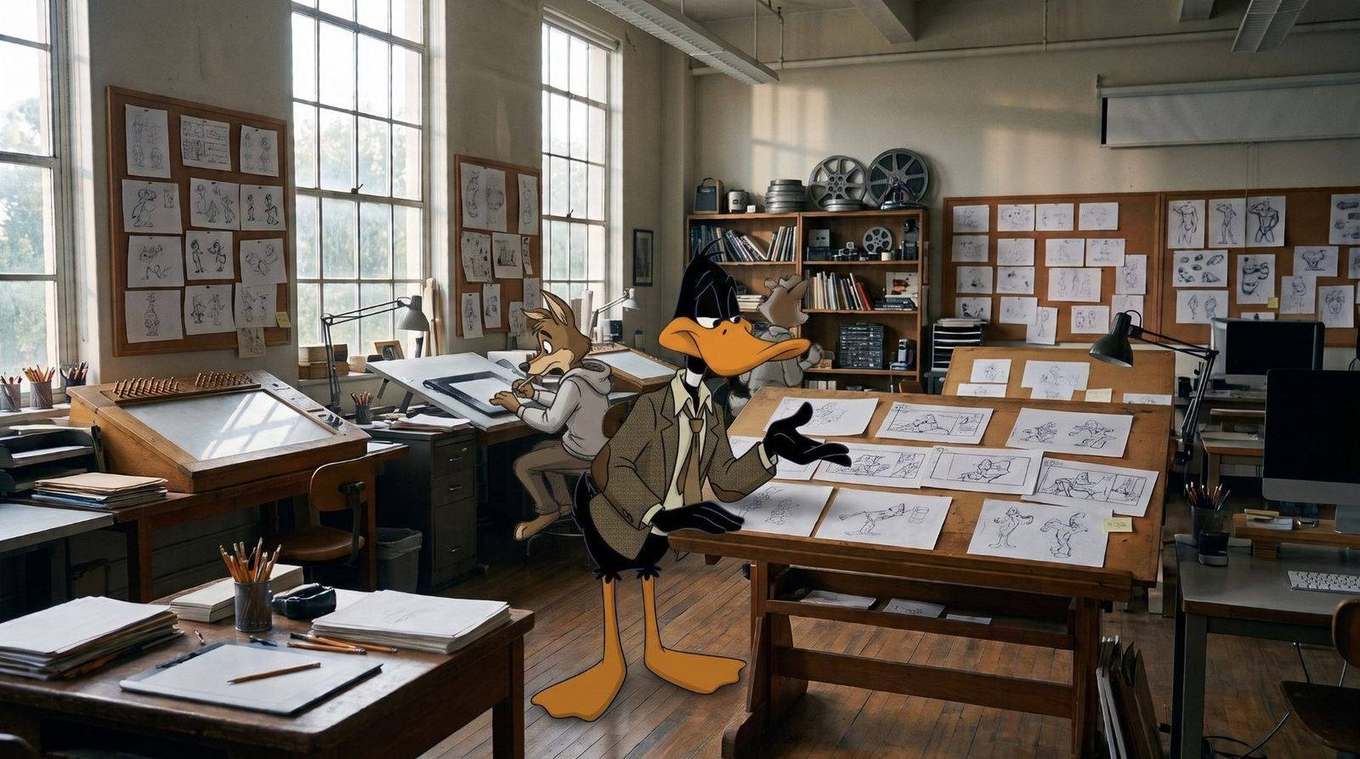
According to people familiar with the review, Future Frames includes discussion of upgraded classroom equipment, closer ties between students and industry professionals, and new pathways for student productions to reach wider audiences.
The university has also sought outside advice as it explores those possibilities. Among the firms consulted is Perkins Strategic Advisory, which has provided financial and strategic recommendations related to the school’s long-term planning and the rollout of the Mars exchange.
Supporters of the initiative see it as a necessary next step for a school whose alumni increasingly move between traditional animation, streaming media, live performance, gaming and off-world opportunities.
The Mars exchange in particular has become an early point of pride. Overseen on the academic side by Marvin the Martian, the program allows students to study in a highly specialized environment while strengthening ties between ACME and one of the most visible institutions in interplanetary education.
At the same time, the initiative has prompted discussion among faculty members about how best to preserve academic independence, protect student work and ensure that growth does not come at the expense of the university’s artistic mission.
Those debates remain internal for now.
No major staffing changes have been announced, and university officials emphasized that the current review is exploratory rather than final. But the conversations already reflect a campus aware that the animation business is changing—and that schools training the next generation of talent may have to change with it.
For ACME Looniversity, the challenge is not simply staying current.
It is deciding what kind of future is worth building.