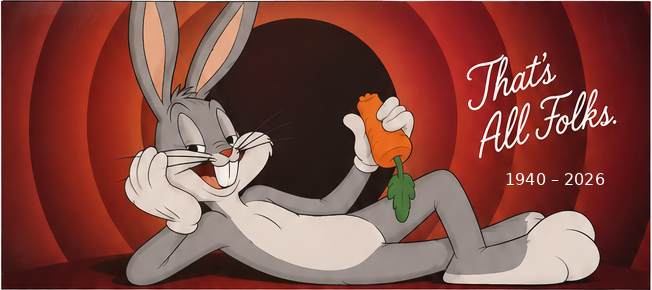
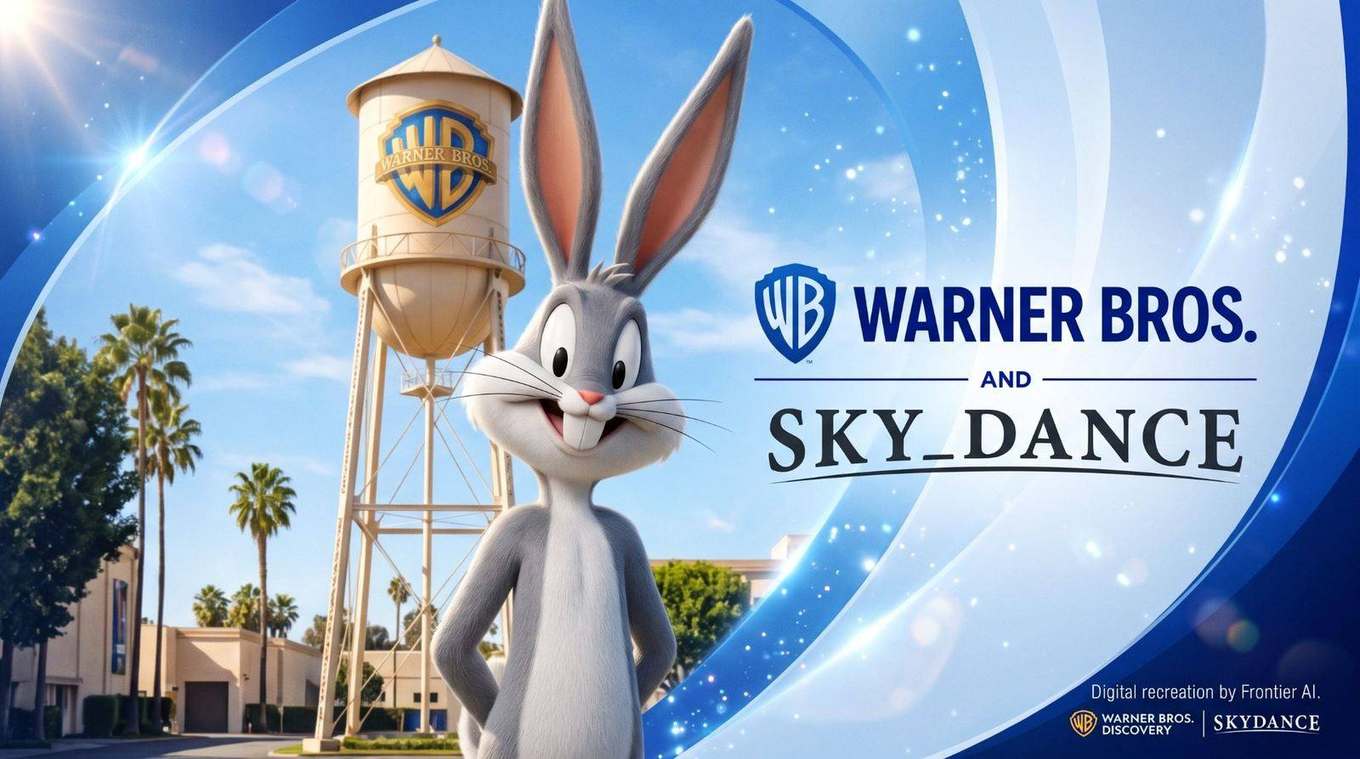
Bugs Bunny spent nearly ninety years making fools of studio bosses. Yesterday, on the day of his memorial, the bosses finally got him to read their script.
On Friday, October 23, Warner Bros. published a 75-second Skydance promotional video through its official accounts. It wasn't a fan edit, a prank or an internal experiment that leaked. It was a real, fully approved corporate advertisement, produced and released to celebrate the studio's new ownership.
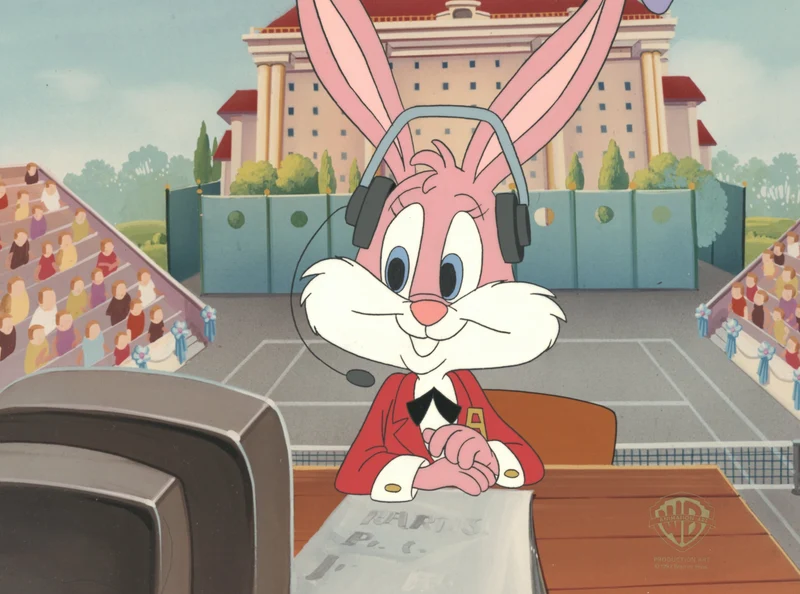
Its star was the ghost of Bugs Bunny: not the real rabbit, but a digitally assembled imitation of the performer who died on September 29.
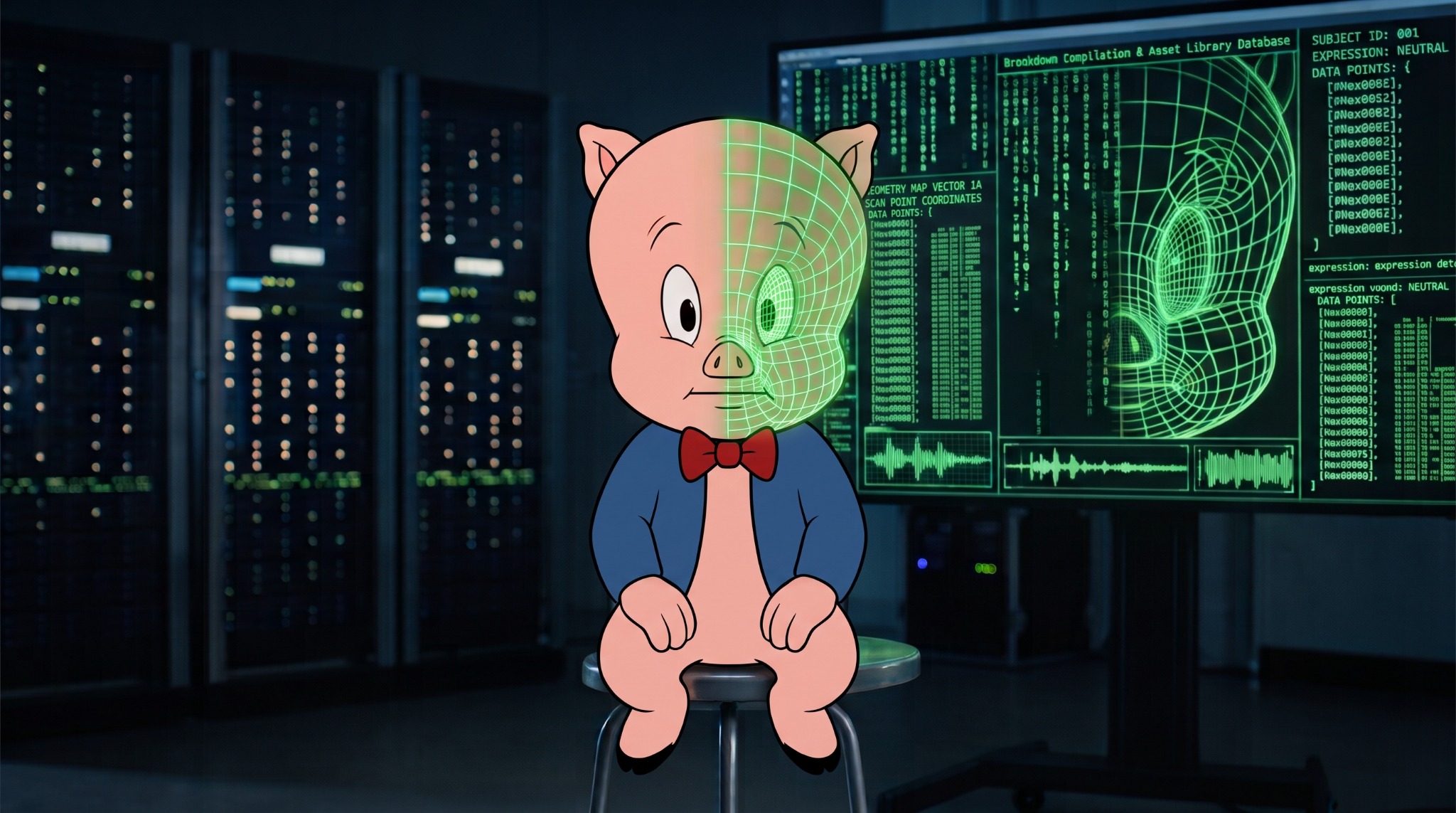
The video opened on the Warner Bros. water tower. A digitally reconstructed Bugs stepped into frame, adjusted his ears and smiled at the camera. He looked almost right. His movements were too smooth; his expression sat strangely on his face; his voice had that familiar sound without the feeling that anybody was there to speak. A small on-screen disclosure read: “Digital recreation by Frontier AI.”
“Eh, what's up, Doc? There's a whole new family at Warner Bros.!” the artificial Bugs announced.
Then came the Skydance logo, a rush of inspirational music, and another line put into the mouth of a dead performer: “I'm proud to be part of this exciting new chapter!”
The closing card read “A NEW ERA FOR WARNER BROS.”
There was no subtlety to it. Warner had put a digital ghost to work selling a merger.
Sources say he wouldn't endorse it when he was alive
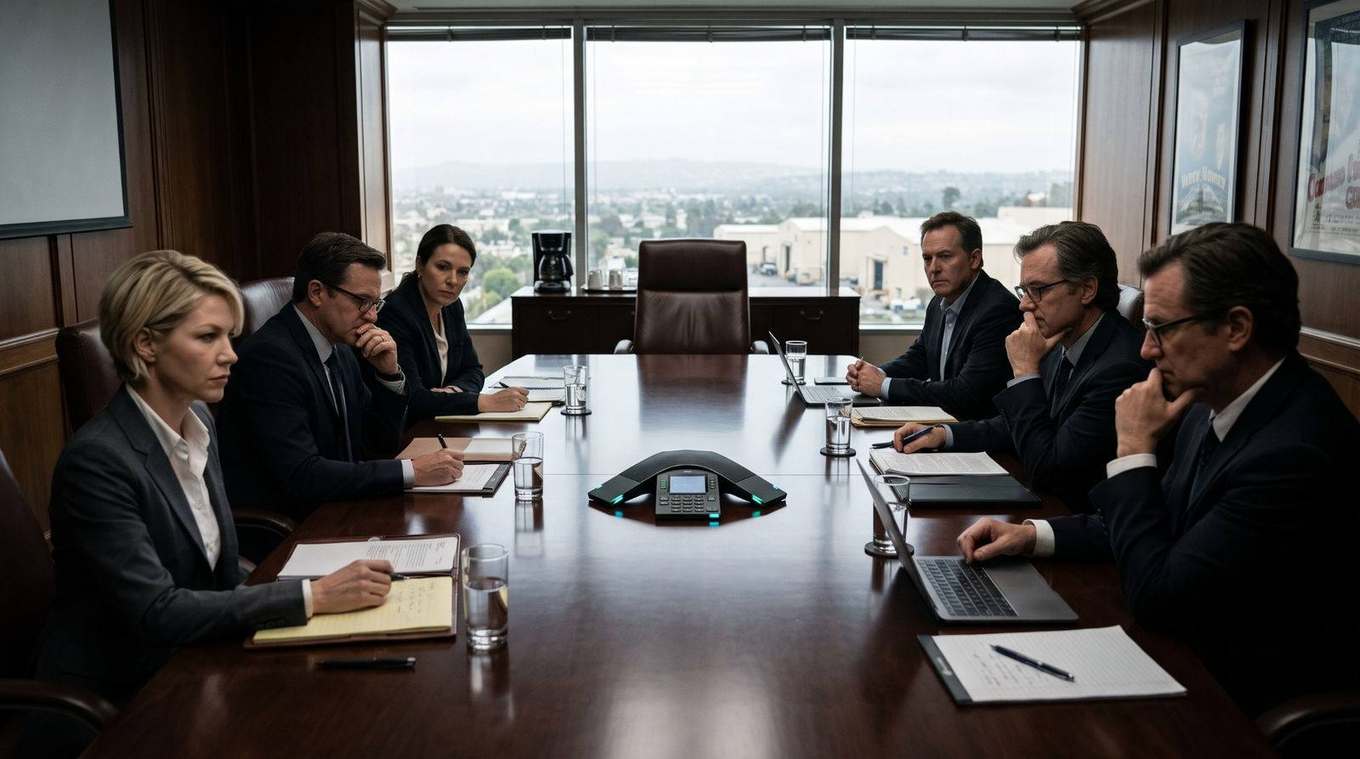
That is what makes the video more than a tasteless publicity stunt. Sources familiar with a September 28 executive meeting claim Bugs refused Warner's request for a public endorsement of its pending Paramount takeover. According to those accounts, he pushed for new cartoons, meaningful opportunities for younger performers, and answers about the studio's use of actors' voices and likenesses. Their account is of a performer demanding a future for his work—not volunteering to become the grinning face of the transaction.
Less than a month later, Warner supplied the endorsement itself.
This wasn't merely a studio using a character it owns. It was a studio creating a new performance by a man who could no longer object—to promote the very corporate change sources say he declined to endorse in life.
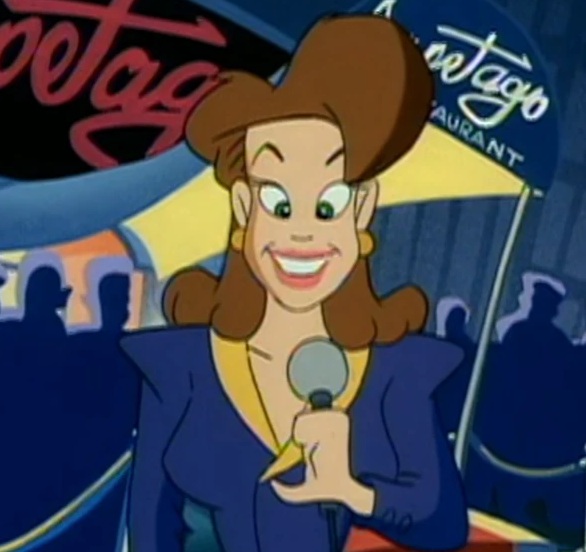
Kate Houghton's signature was on the project
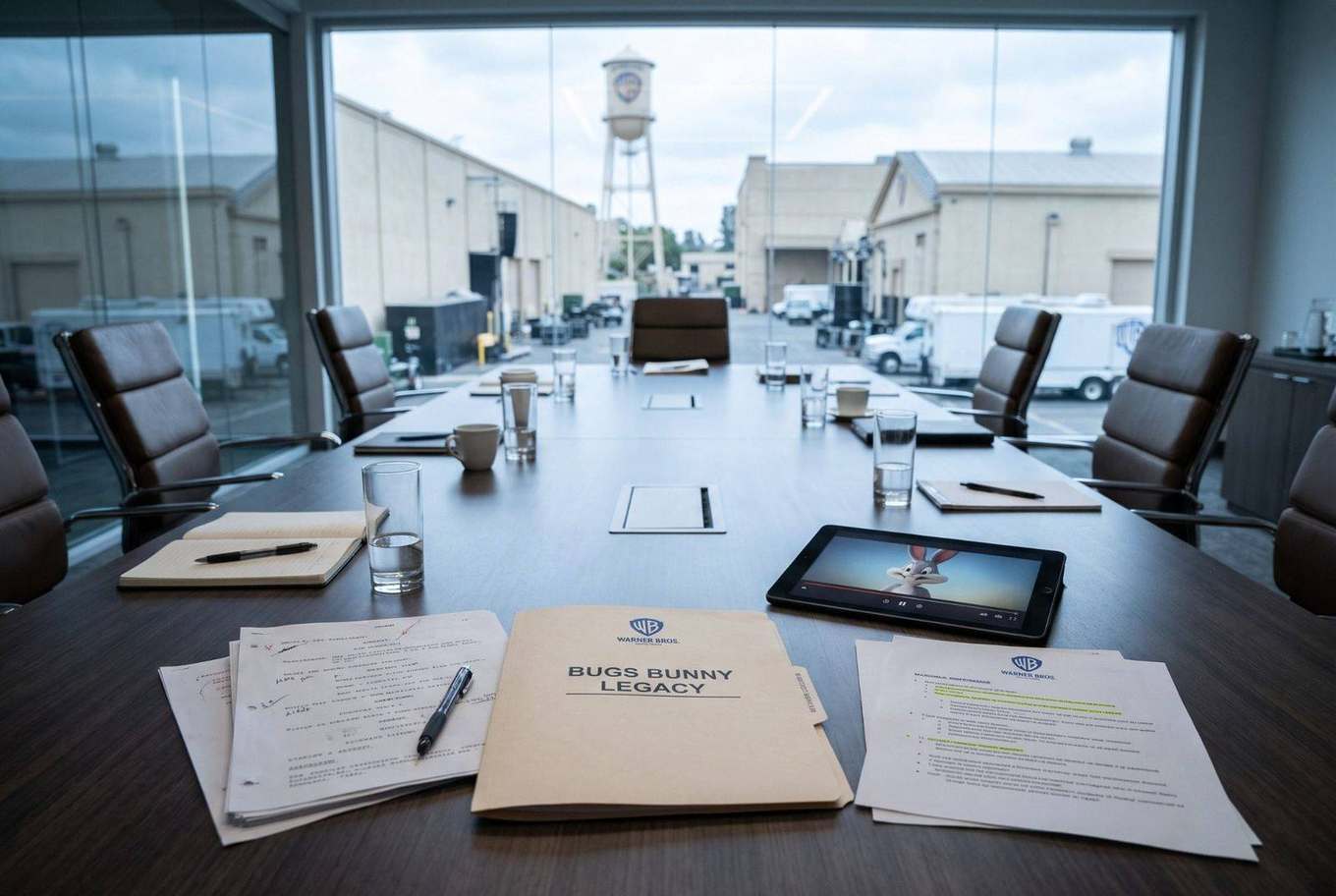
According to internal approval details described to SHOWBIZ, Warner executive Kate Houghton signed off on a Bugs Bunny Legacy creative proposal associated with the Skydance launch. Houghton had worked with Bugs for decades and had authority over the studio's comedy and animation development.
People familiar with the production say Houghton believed she was authorizing a tribute and did not personally inspect the finished advertisement before it went out. The completed script and promotional cut went through Warner's marketing and corporate-communications approval process. This was an authorized release, not a rogue employee's mistake.
If Houghton thought she was approving a tribute, that raises a question almost as troubling as the video itself: How did a studio executive approve a digital performance by a recently deceased colleague without checking what words the company was putting in his mouth?
Asked about the video, Houghton issued a statement:
“Our intention was to celebrate Bugs's enduring legacy and welcome audiences into a new era of storytelling. We recognize the execution fell short of that intention, and we've withdrawn the video.”
The statement did not explain whether Bugs had ever consented to a posthumous endorsement, whether his representatives were consulted, or why Warner thought his memorial day was an appropriate occasion for a sales pitch.
Warner deleted it. Tweet-er did the rest.
Within hours, the commercial was the top-trending story on Tweet-er. Performers denounced it as a warning about what studios might do with their recorded voices. Fans shared side-by-side comparisons with Bugs's old performances; others turned the new line about Warner's family into a furious joke.
By Friday afternoon, Warner had removed the original video from its official channels. It was much too late. Screenshots, full screen recordings and reposted clips flooded Tweet-er, where the major reuploads had accumulated more than 40 million combined views by Saturday morning. Deleting the official advertisement made it harder to find Warner's original explanation—not the video.
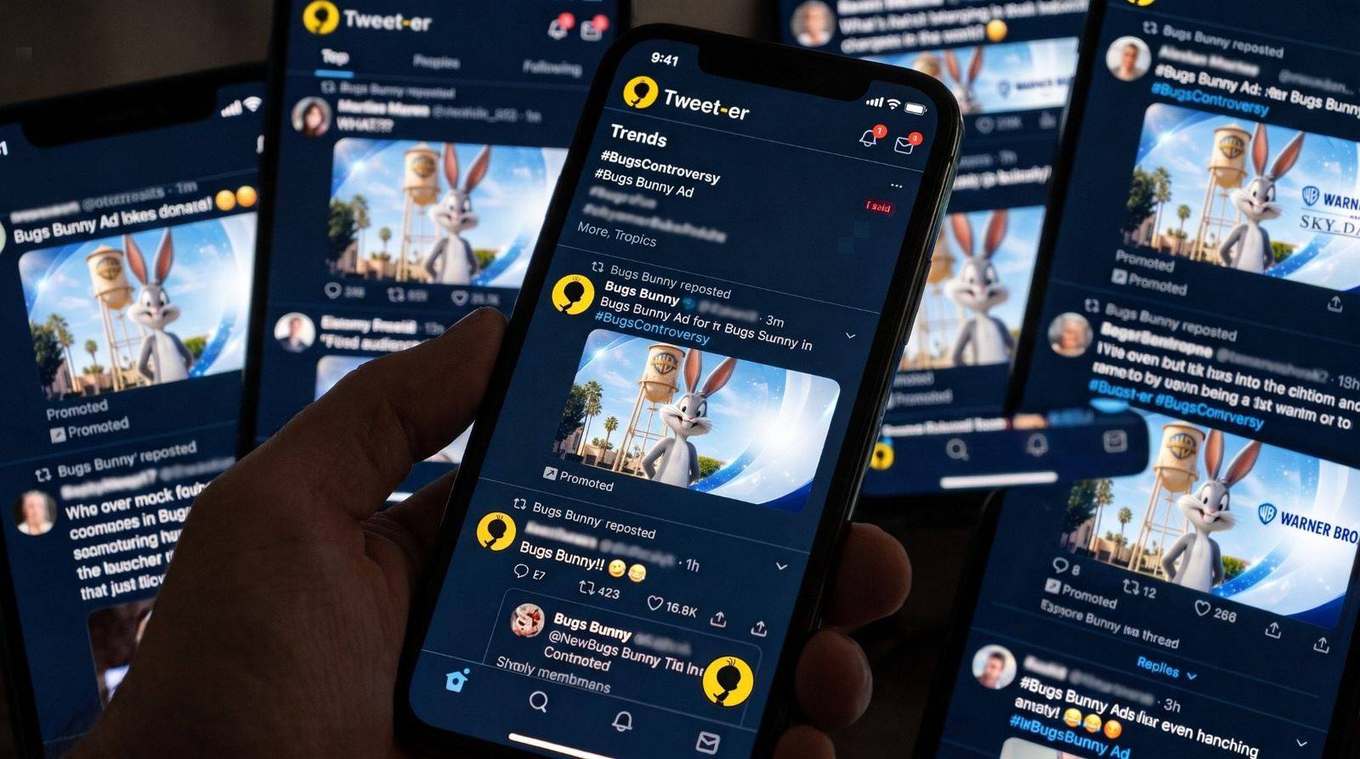
Some viewers called the synthetic rabbit creepy. Others called the whole idea obscene. An enormous number seemed to agree on one thing: the ghost of Bugs Bunny had no business being made to congratulate his new owners.
Warner's real problem isn't that the commercial failed to look convincing. It's that the company apparently thought a convincing version would have been acceptable.
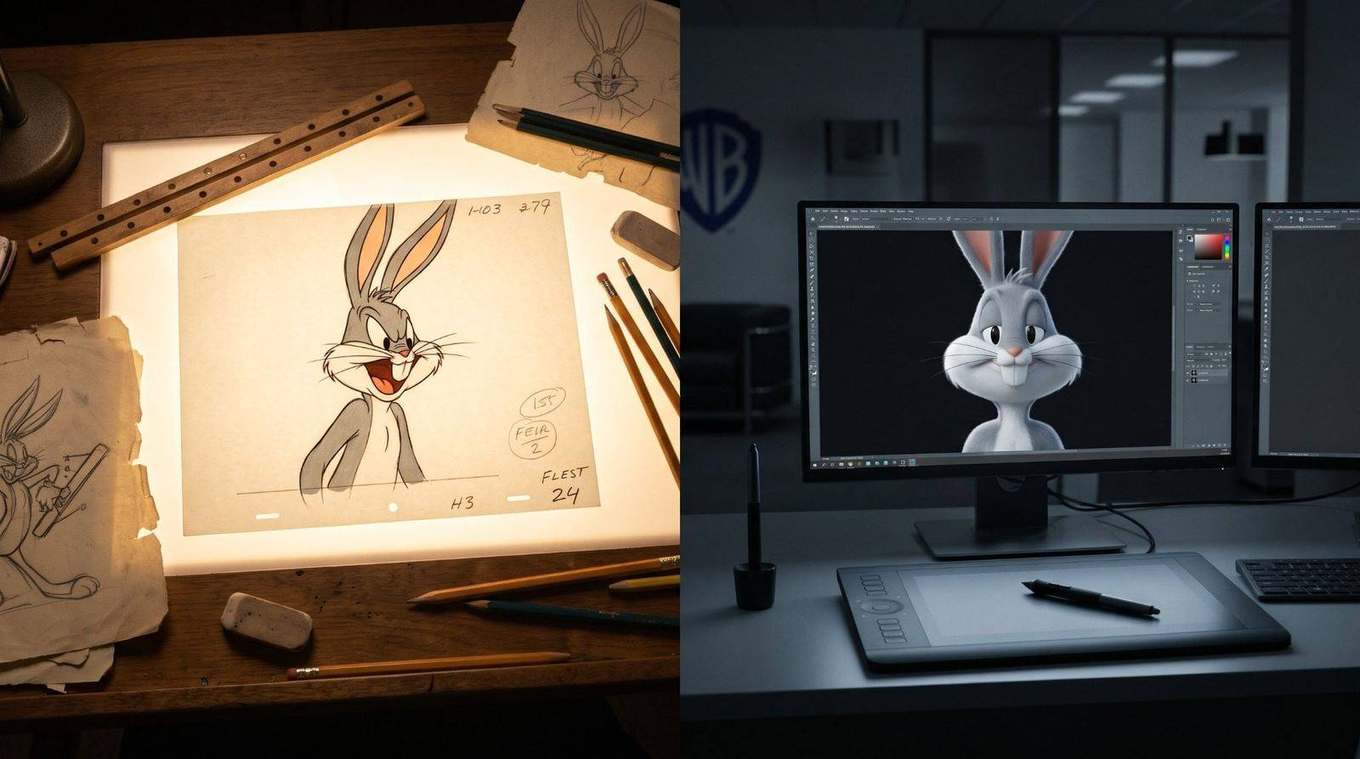
The studio can pull a post. It cannot unmake the decision to release it. And Kate Houghton, who approved the project in the first place, now has to answer for the difference between honoring a performer and putting him back to work without his permission.
Sources say Bugs Bunny spent his last day at Warner arguing for new cartoons. His studio's newest cartoon of him was a commercial for the people who bought it.
Sources say he said no while he was alive. Warner made his digital ghost say yes after he died.