SpongeBob SquarePants, Scooby-Doo, Mickey Mouse and Homer Simpson do not share a studio, a network or much of a visual vocabulary. They now share a position on artificial intelligence.
The four marquee performers are among the most visible backers of the Toon Performers Digital Rights Collective, a cross-studio group pressing for enforceable rules around digital replicas. Its membership also includes Bugs Bunny, Daffy Duck, Betty Boop, Popeye and dozens of working performers whose faces, voices and movement libraries have been accumulating in studio archives for decades.
The group is asking for three things before a synthetic performance can be released: informed consent, negotiated compensation and a persistent provenance record showing when an image or voice was generated rather than newly performed. Members also want limits on training systems with archival footage and on posthumous work, even when an estate controls commercial rights.
The fight is especially complicated in animation because resemblance has always been part of the business model. Acme Looniversity was built around younger performers learning from established Looney Tunes stars, and the Tiny Toon generation was deliberately recognizable without being literal copies or, in many cases, relatives. Lawyers now have to draw a line between artistic lineage, licensed character traits and a machine-generated performance that reproduces a specific performer without asking.
A joint statement circulated to studios this month puts it more bluntly: “A familiar face is not a blank production asset.”
“A familiar face is not a blank production asset.”
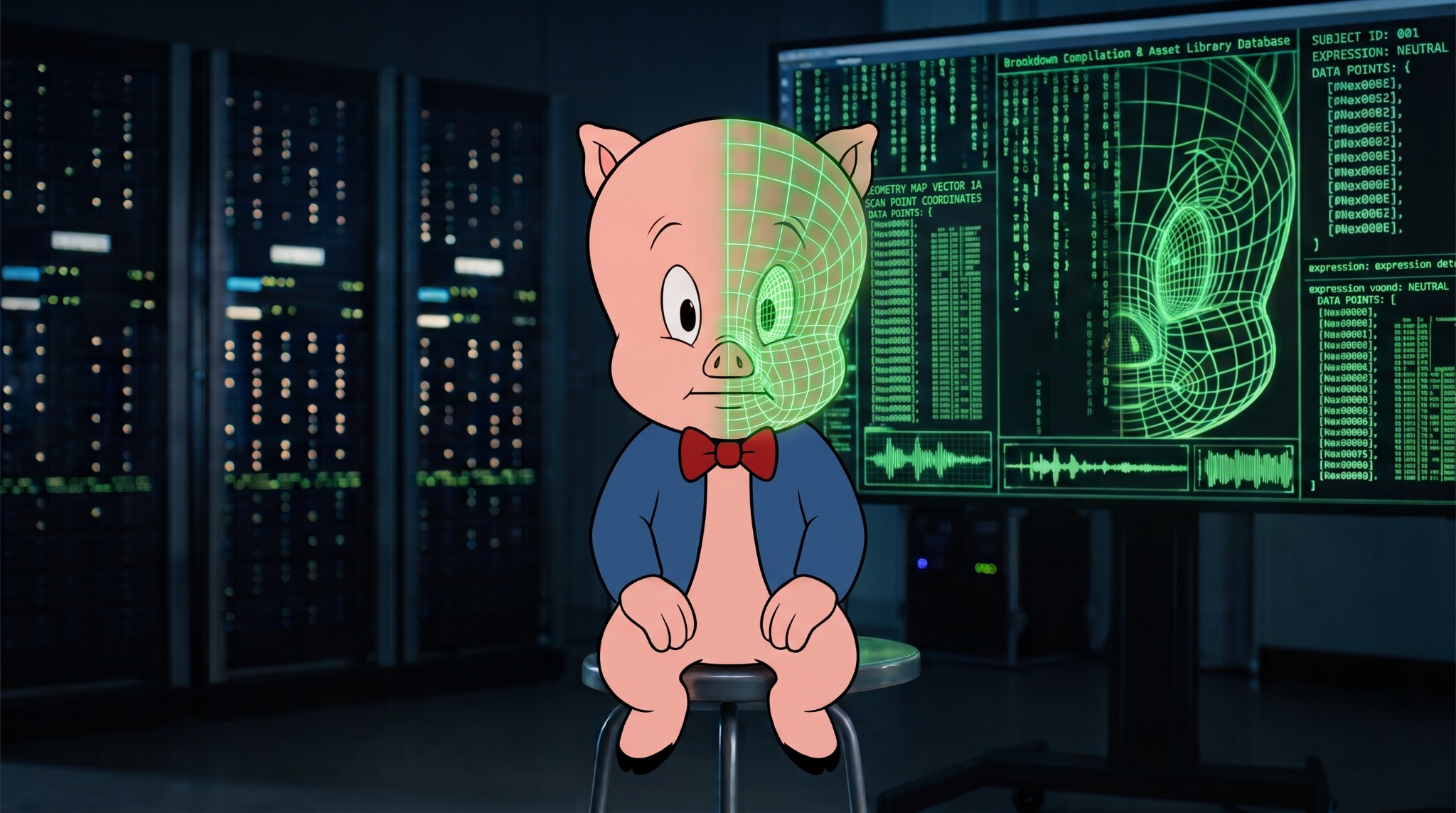
The concern is no longer theoretical. Synthetic-performance systems can generate dialogue, facial acting, lip sync, dubbing, pickups and interactive responses from existing material. For a character whose design and voice have remained recognizable for decades, the result can be difficult for an ordinary viewer — or even a colleague — to distinguish from a newly recorded performance.
Technology companies say that is exactly why the debate should focus on licensing rather than prohibition. Frontier Persona Labs, a unit of Yosemite Sam-backed Prospector AI, is developing tools for authorized digital doubles, localization and archival restoration. The company says its system attaches a persistent provenance record to generated material and can enforce contractual limits on where, when and how a replica is used.
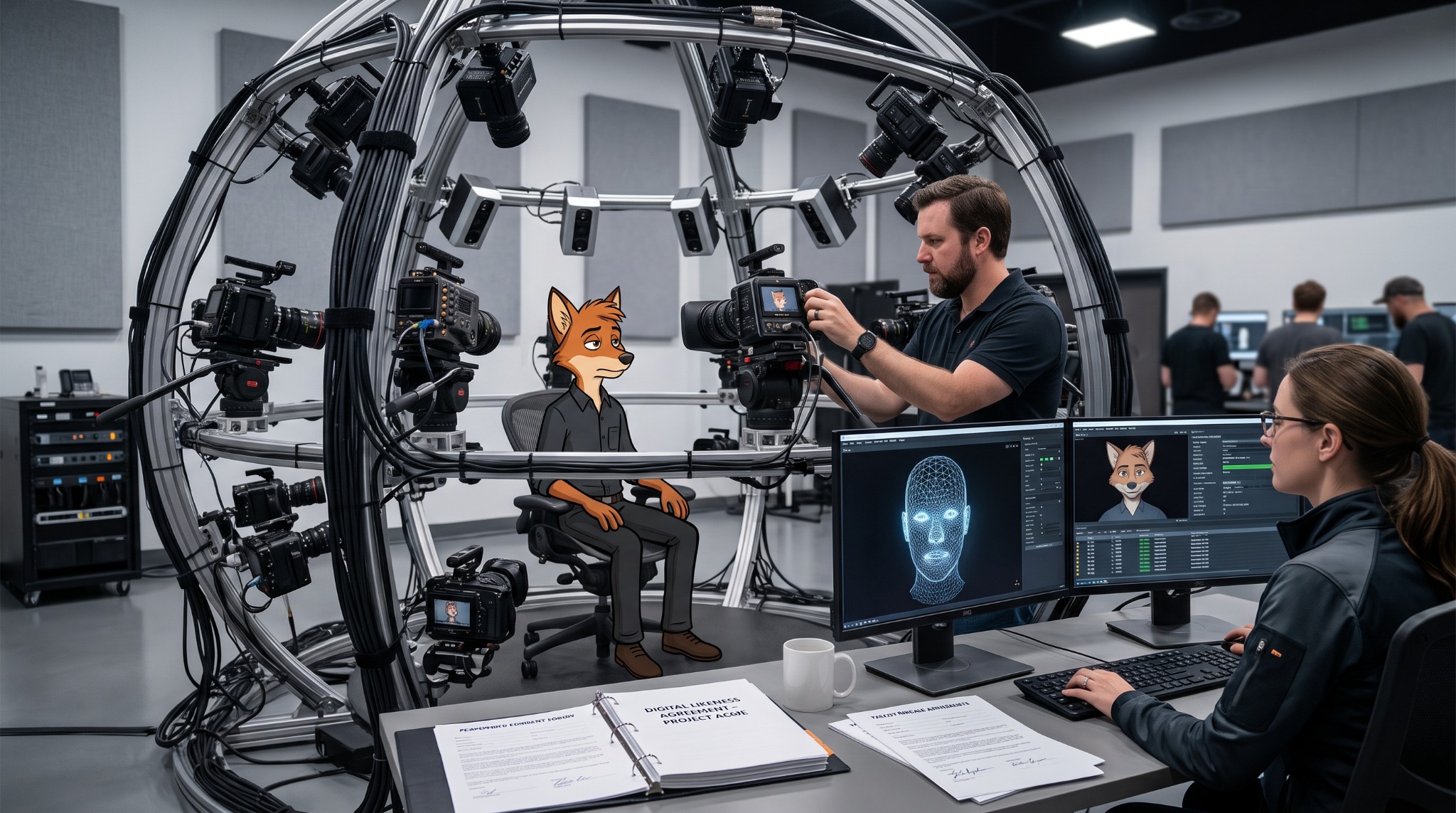
“The future is not unauthorized copies running wild,” a Frontier Persona executive told SHOWBIZ. “The future is licensed performance technology with consent, audit trails and automatic compensation. A toon should be protected precisely because the technology is getting good.”
The company’s pitch is that synthetic performance could reduce expensive pickups, make localization more natural, preserve difficult archival material and allow performers to approve narrowly defined uses without returning to a soundstage for every line. It has also proposed a royalty ledger that would automatically pay a performer each time an approved replica is used.
Performers remain skeptical of protections designed and administered by the same vendors selling the technology. Several want an independent registry rather than studio- or vendor-owned databases, arguing that the company generating a replica should not be the only company certifying that the replica was authorized.
That authentication question is quickly becoming as important as the labor fight. Entertainment attorneys now advise clients to retain original camera files, audio masters, metadata, signing records and version histories for any recording that could later carry legal or financial weight.
A video can still document what somebody said. Increasingly, it cannot prove by itself who actually said it.
For an industry built on characters who can survive erasers, recasting and generations of reruns, the identity question is unexpectedly literal: when a face can work without the performer, who owns the performance?