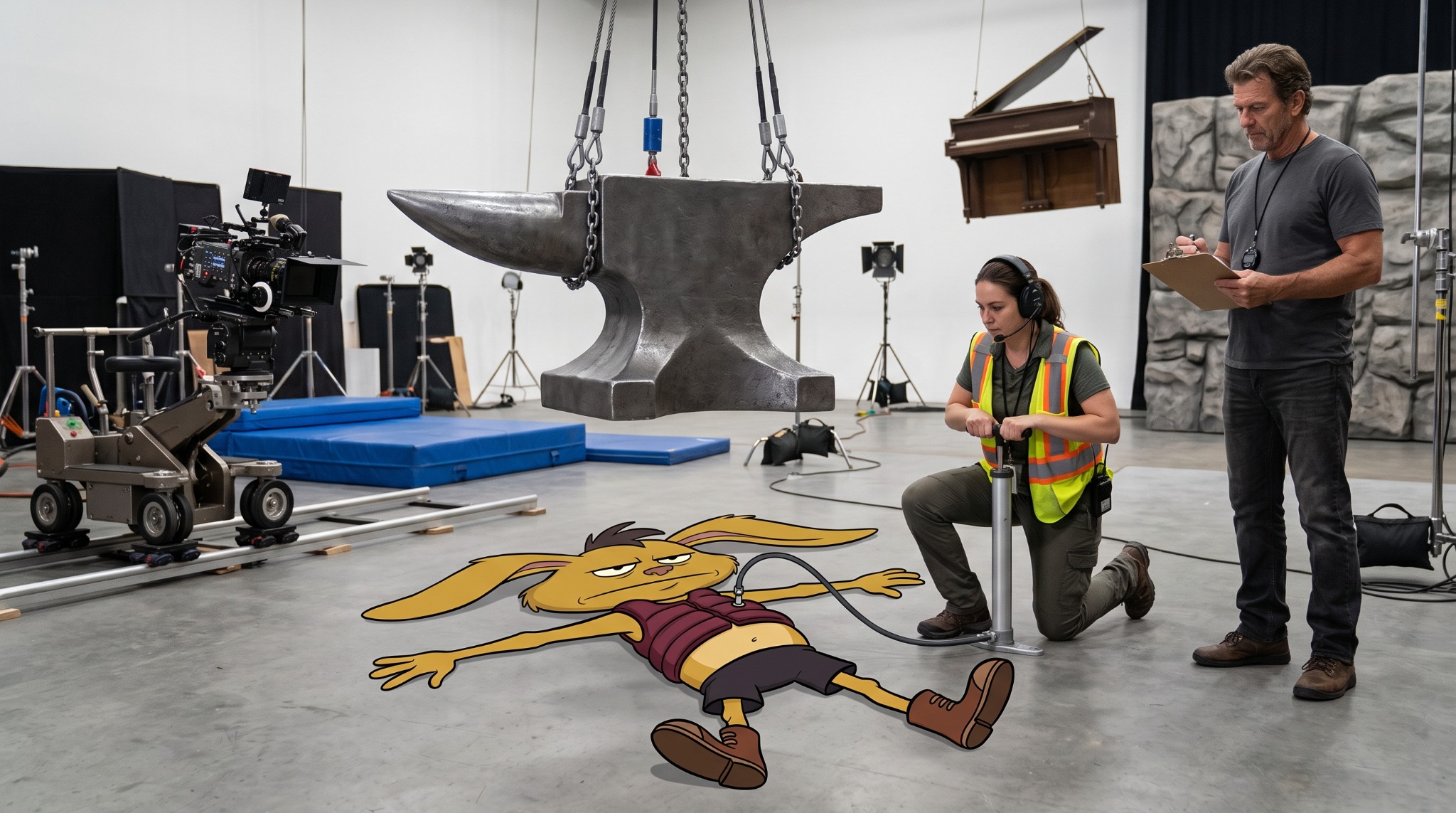
The classic cartoon anvil is having a strange second act.
Studios use fewer of them than they did during the peak slapstick era. Safety standards are stricter, productions rely more heavily on digital gags, and younger performers increasingly object to being asked to stand under anything described in a call sheet as “approximately one ton.”
Sales are booming anyway.
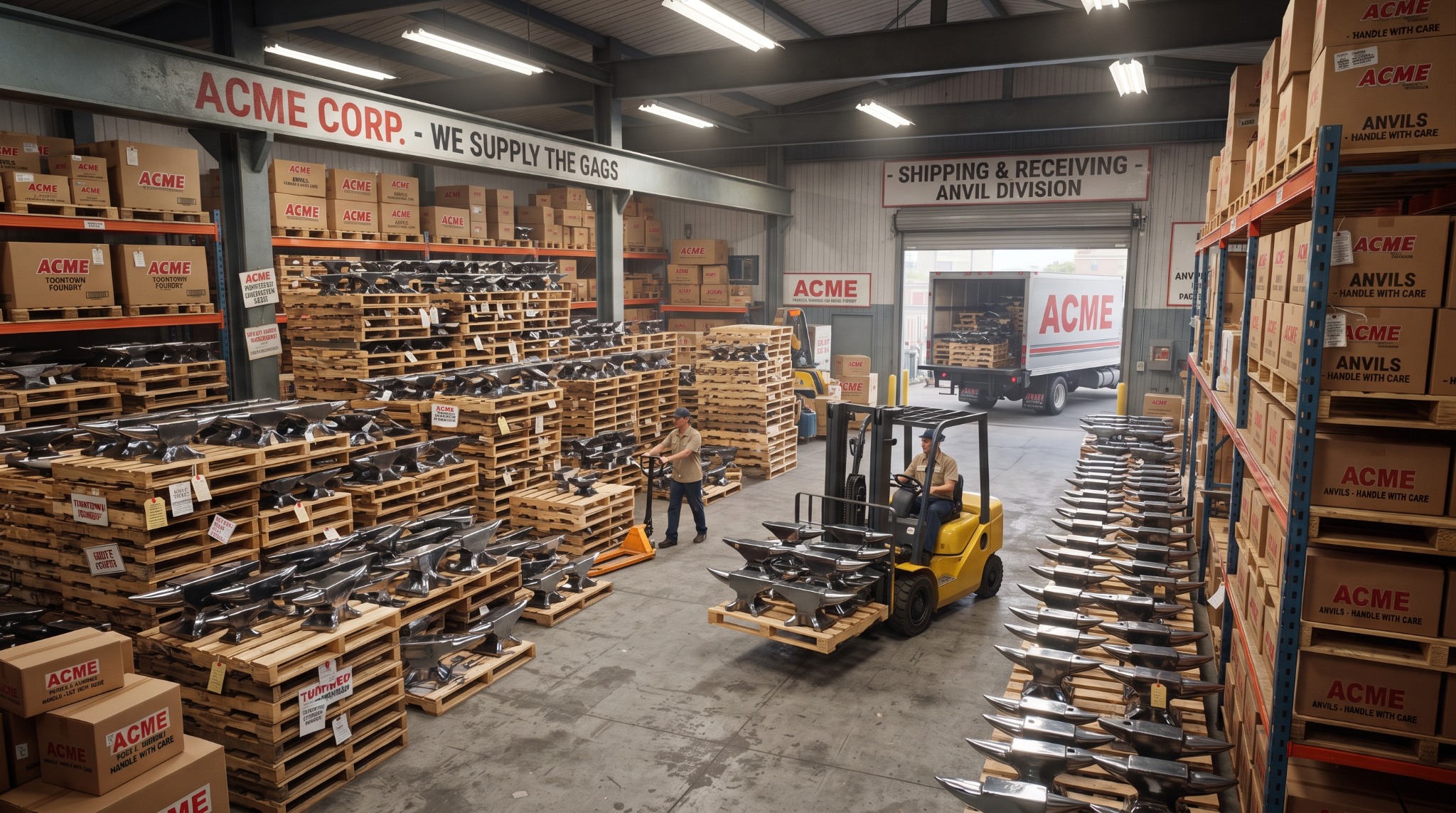
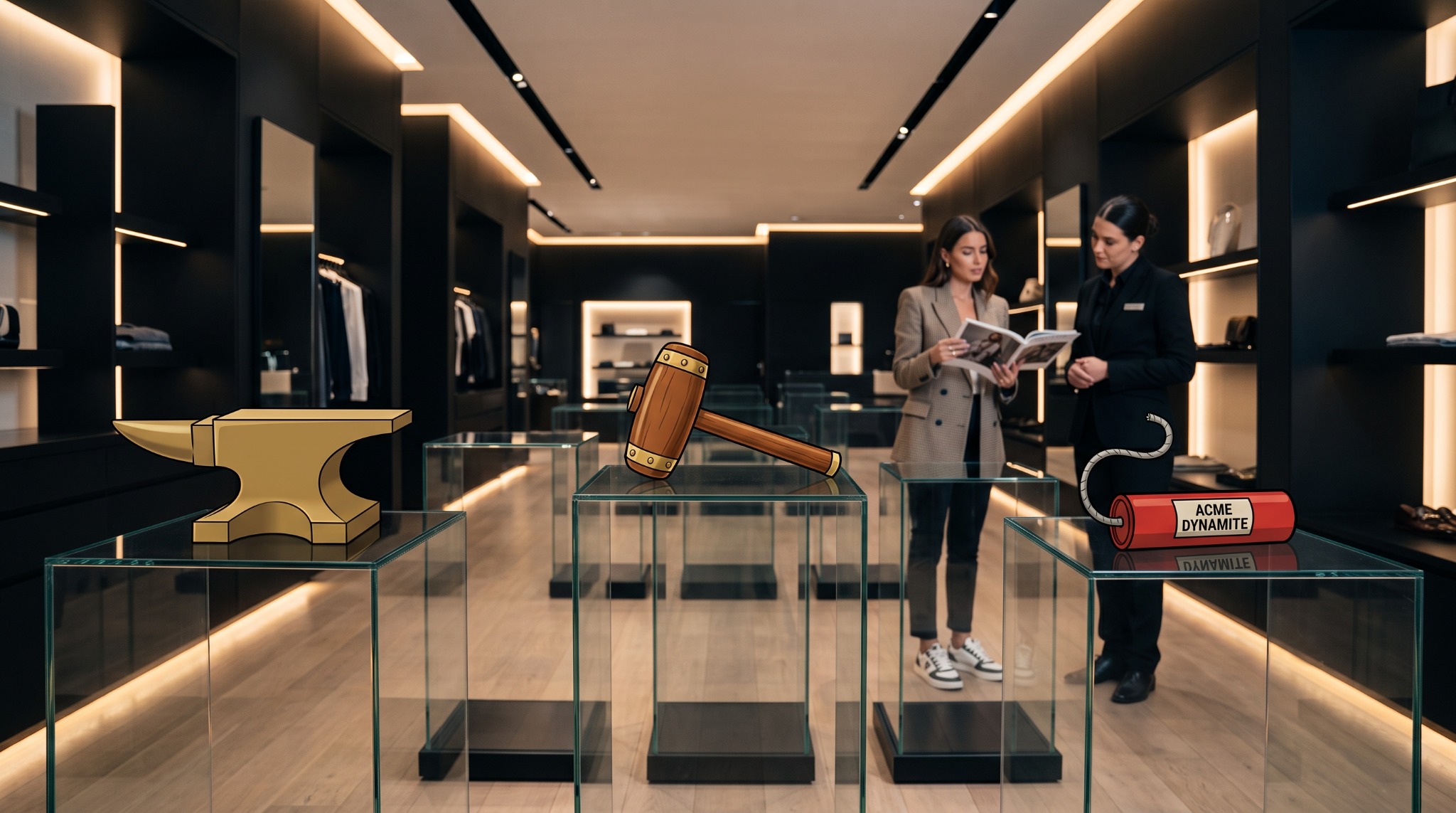
ACME and several specialty manufacturers report growing demand from collectors, nostalgia buyers, social-media creators and private clients who want authentic gag equipment. Restored vintage anvils now appear in home theaters, restaurants and corporate offices. New models can be ordered with custom finishes, engraved initials and optional impact clouds.
Traditional slapstick may be disappearing from screens at exactly the moment its hardware has never been easier to own.
The same trend applies to oversized mallets, spring-loaded boxing gloves, rocket skates and other traditional toon hardware. An entire aftermarket has developed around equipment that once belonged almost exclusively to studios.
Prop dealers say the buyers range from serious collectors to people who saw one online and decided their foyer needed it.
That broad availability has frustrated archivists trying to identify old equipment. A black anvil used in production may be historically important, commercially manufactured or simply something a dentist in Encino bought for a themed basement. Dealers have become obsessive about old ACME stamps and serial marks because the company’s Marvin Acme-era operation supplied props across the cartoon industry; a legible factory mark can be the difference between a museum piece and very heavy décor.
Manufacturers are adding serial numbers and registration programs to newer products, but decades of older equipment remain difficult to trace.
The irony is hard to miss. Traditional slapstick may be disappearing from screens at exactly the moment its hardware has never been easier to own.
Somewhere, a coyote is probably furious.