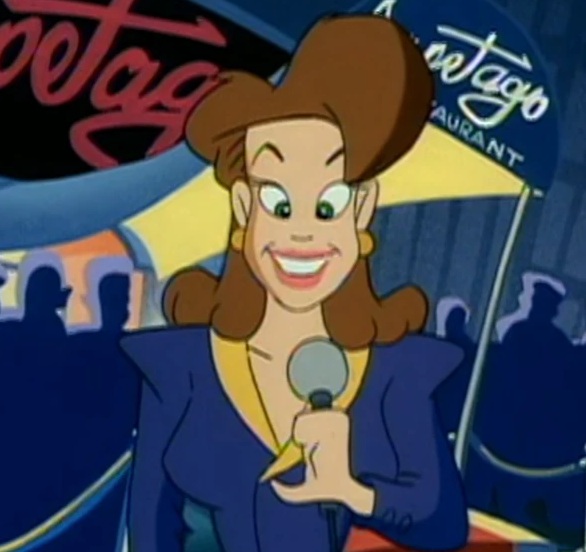
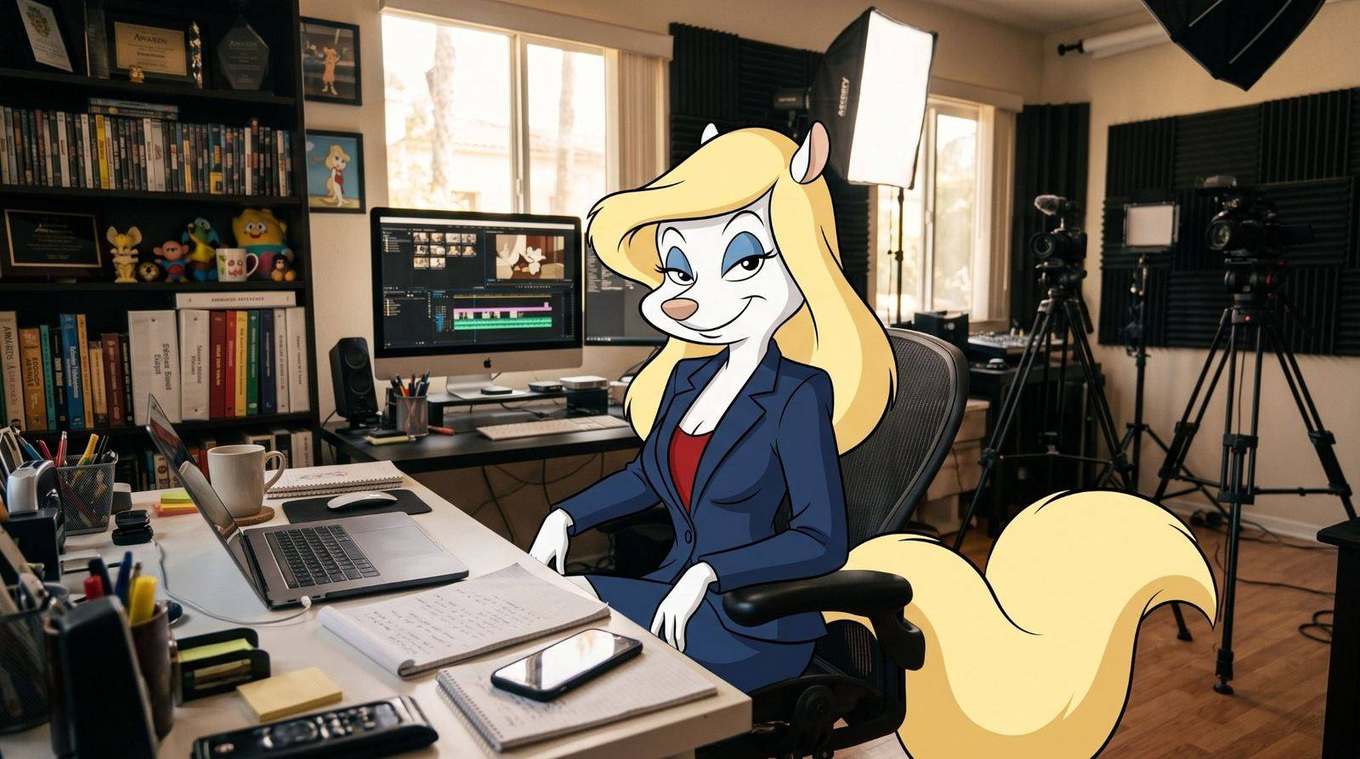
BURBANK — Minerva Mink spent much of her career being told she was too much for television. Thirty years later, she is making more money by being exactly what television told her not to be.
The former Animaniacs performer, whose glamorous appearances became a source of concern for executives overseeing the children's series, has emerged as one of the most successful new personalities on OnlyToons, the subscription platform where animated performers sell exclusive content directly to fans.
According to figures provided by her management, Mink generated approximately $480,000 in gross subscriber revenue during her first 30 days on the platform. The numbers have not been independently audited, and they do not account for platform fees, management commissions, production expenses or taxes.
For a performer whose television career once consisted of a handful of appearances and an uncertain future, it is a remarkable reversal.
"They spent years telling me there wasn't an audience for what I did," Mink says, sitting in the small Burbank production office she now rents by the month. "Turns out there was an audience. They just weren't the people making the decisions."
Mink is not the first entertainer to discover the profitability of selling direct access to fans. But her success illustrates a growing change in the economics of animated celebrity: the performers studios no longer consider commercially viable may still command substantial audiences willing to pay for something more personal than another rerun.
And increasingly, those audiences are finding ways to support their favorites without involving a network, a production company or a studio executive.
The audience never went away
Mink's original television career was brief. Introduced on Animaniacs in the 1990s, her exaggerated glamour and adult-oriented humor proved an uncomfortable fit for children's programming. Her starring segments disappeared, and while the character remained recognizable to animation fans, substantial new work proved elusive.
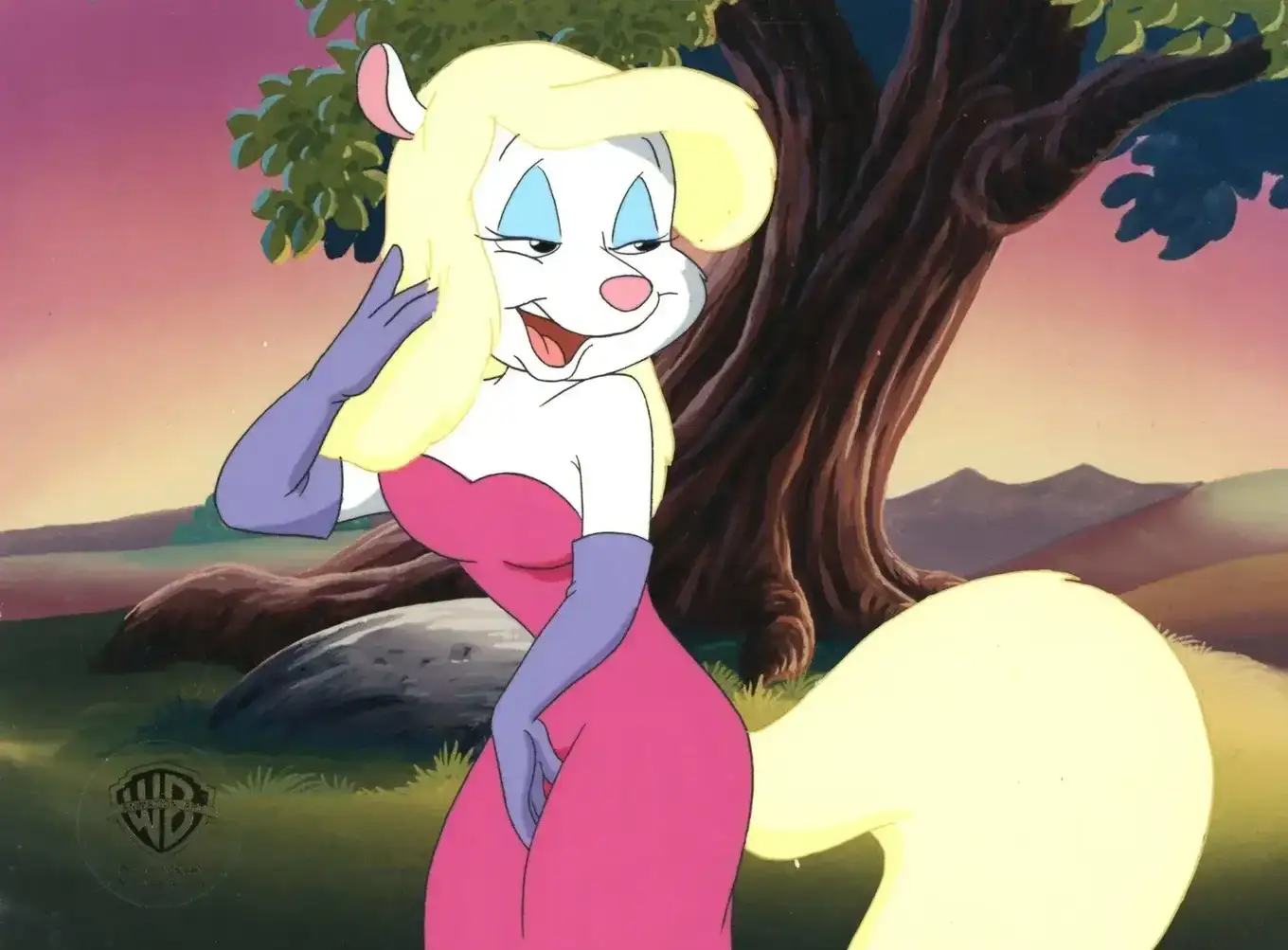
Convention appearances and occasional promotional bookings helped sustain her public profile. Social media did the rest.
Over the years, Mink accumulated a sizable following across Tweet-er, FaceToon and Tick-Tock. Some fans remembered her original cartoons. Others discovered clips online, sometimes decades after their original broadcasts.
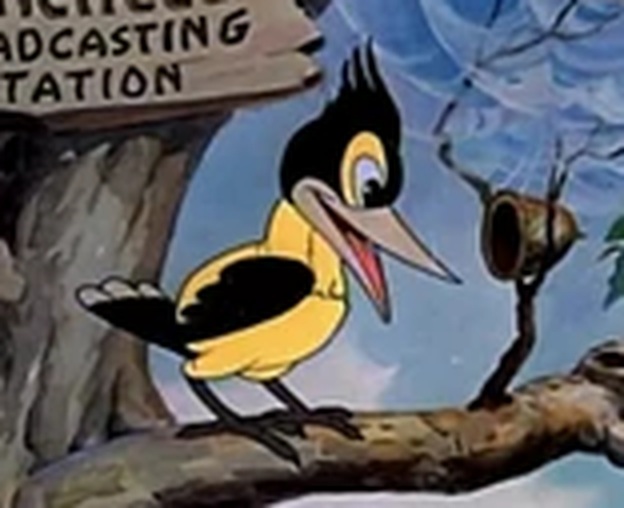
One particularly successful Tweet-er post, a short and entirely family-friendly promotional video announcing her new venture, spread well beyond her existing audience. Even Tweety Bird joined the conversation, reposting the clip with the message, "I tawt I taw a comeback!"
Within days, subscriptions surged.
"People don't stop remembering somebody just because a studio stops putting them on television," says Tweety Bird, chief executive of Tweet-er. "Social media gives those performers a way to find their audiences again. A million followers isn't a million paying customers, but it's a million people who might still care about what you do. That's something the old business never really knew how to measure."

For Mink, the distinction has proved enormously profitable.
She now produces exclusive photographs, behind-the-scenes videos, live conversations and personalized content for paying members. Some material is suggestive; much of it is not. Subscribers can pay extra for custom requests, although Mink says she declines anything she considers inappropriate.
The appeal, she argues, is not simply the content. It is access to a performer whose fans have rarely had an opportunity to interact with her.
"People remember you," she says. "That's the strange thing about this business. The studio can forget you. Your fans don't necessarily do that."
Her management says the subscriber base has remained substantial beyond the initial launch. Whether the first month's extraordinary revenue can be sustained is another question.
A new market for familiar faces
The phenomenon extends well beyond adult subscription services.
Cameo, the personalized-video platform, has helped create a market in which performers can turn even a modest degree of recognition into a continuing source of income.
Former supporting actors, reality television personalities, athletes and entertainers who haven't held a regular television job in years can charge fans for birthday greetings, anniversary messages, congratulations and other personalized recordings.
For some, the income can rival or exceed what they once earned on television.
Brian Baumgartner, best known for playing Kevin on The Office, became one of Cameo's early financial standouts, with the company projecting more than $1 million in annual bookings during 2020.
OnlyFans has produced even more dramatic examples. Actress Shannon Elizabeth reportedly generated more than $1.2 million in her first week on the platform earlier this year. Former Sopranos actress Drea de Matteo has publicly credited her subscription account with helping save her home from foreclosure.
Such outcomes are exceptional, but the appeal is straightforward. Instead of waiting for a casting director to offer work, entertainers can sell something they already possess: recognition.
Among Toons, that recognition can be surprisingly durable.
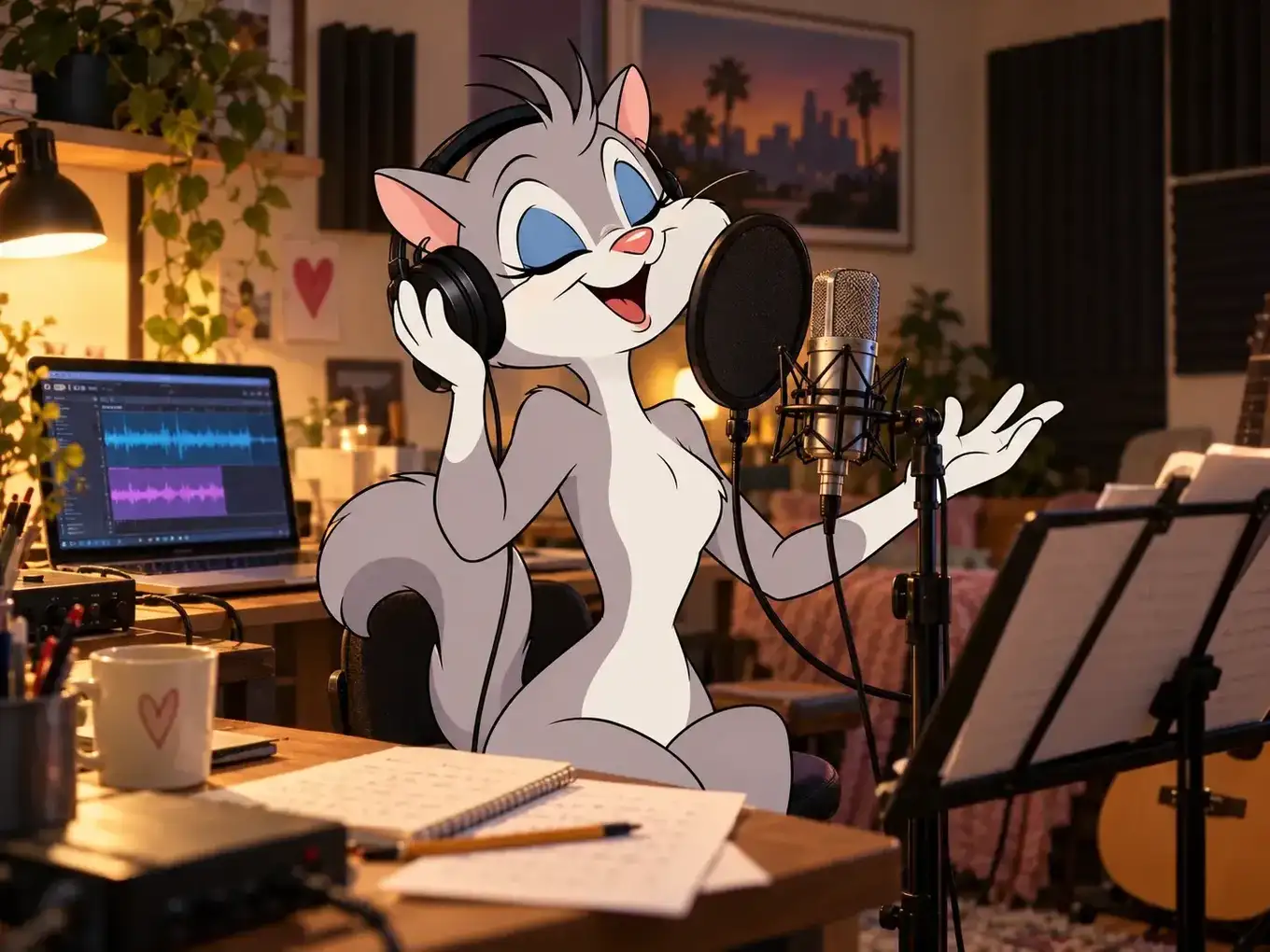
Rita, the former Animaniacs singing cat whose television adventures with Runt ended decades ago, has found a modest but dependable business recording personalized songs and musical greetings. Her manager says requests range from birthday serenades to elaborate marriage proposals.
Chicken Boo, another former Animaniacs supporting player, has developed a cult following through personalized appearances in increasingly elaborate disguises. Fans pay to have him deliver messages while pretending to be everyone from a corporate executive to a television meteorologist.
Not every customer seems particularly concerned that the disguise is unconvincing.
"It's almost beside the point," says one talent representative who works with several retired animated performers. "People aren't paying for the production value. They're paying because they remember the character."
Even established stars are participating. Porky Pig, a Warner Bros. fixture for generations, has expanded his personalized-video offerings to include wedding congratulations, corporate greetings and premium rush delivery. His listings now advertise weekend turnaround and priority bookings for an additional fee.
A representative described the expanded services as a response to strong fan demand.
From Tokyo commercials to bedroom studios
Long before Cameo and OnlyFans, Hollywood celebrities found lucrative second incomes in overseas advertising. Japan was particularly attractive: Arnold Schwarzenegger promoted Alinamin V energy drinks, Harrison Ford appeared in Kirin beer commercials, and Brad Pitt modeled Edwin jeans. Tommy Lee Jones became a fixture of Japanese television through his long-running Boss Coffee campaign.
The practice was famously satirized in Sofia Coppola's 2003 film Lost in Translation, with Bill Murray playing an aging movie star collecting a substantial paycheck to shoot a whiskey commercial in Tokyo.
Which makes Murray's recent Japanese commercial alongside Roger Rabbit particularly amusing. More than two decades after playing a fading actor taking an overseas advertising job, Murray has found himself doing exactly that.
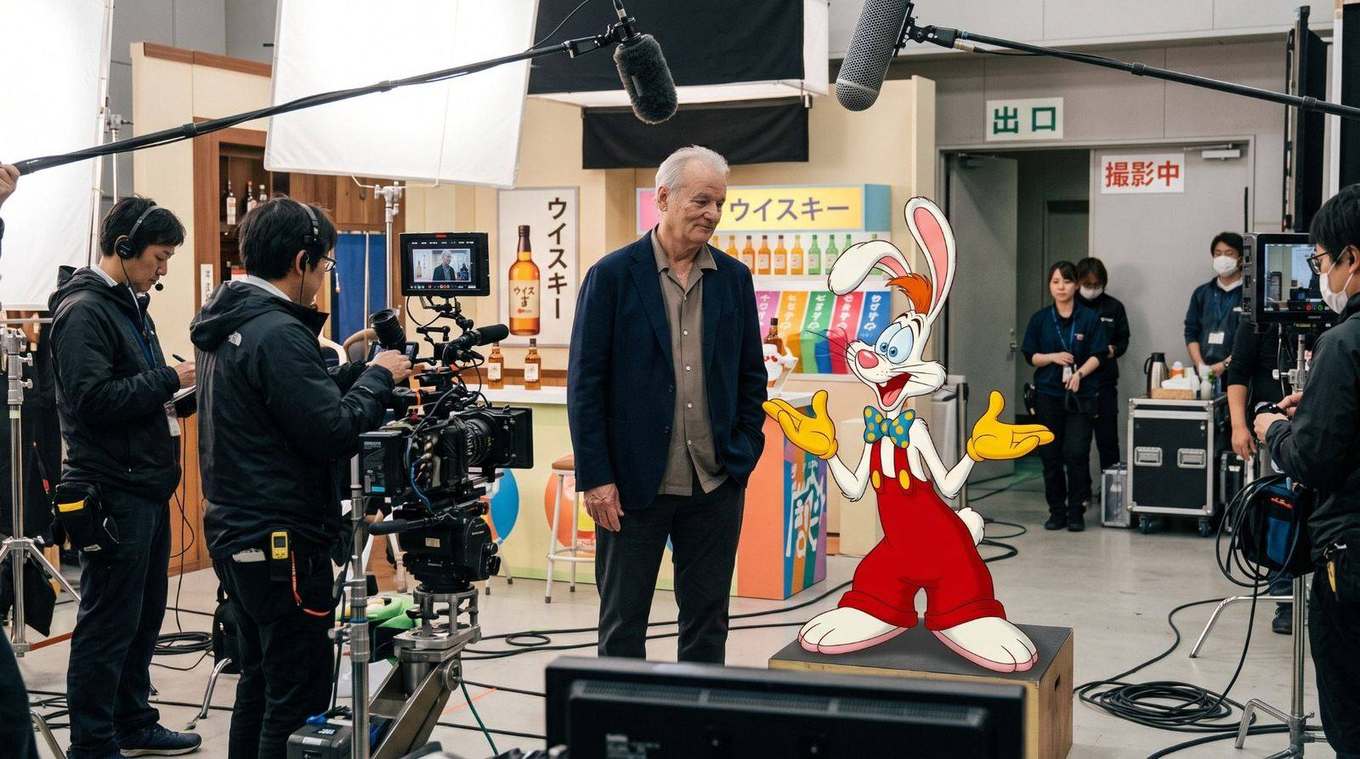
The difference today is that performers no longer need to travel halfway around the world to capitalize on their fame. A retired Toon can record personalized greetings from home, sell exclusive material to subscribers or turn an existing Tweet-er following into paying customers.
Not every follower becomes a subscriber, and few performers achieve Mink's extraordinary success. But the underlying business is much the same: finding someone willing to pay for a familiar face, even when Hollywood no longer is.
The price of being remembered
Mink is cautious about describing her new business as a permanent escape from Hollywood.
Subscription revenues fluctuate. Social-media attention can disappear as quickly as it arrives. And maintaining a direct relationship with thousands of paying fans requires a different kind of work from appearing in a television cartoon.
She employs a small team to manage production, scheduling and customer requests. She is considering additional projects, including a merchandise line and live appearances.
She is also open to returning to television.
Just not on the same terms.
"I'm not against making cartoons," she says. "I liked making cartoons. What I didn't like was somebody deciding I wasn't worth keeping around."
There is a larger irony in the success of performers like Mink. Hollywood spent decades building characters audiences would remember, then frequently stopped employing the people behind them once their programs ended.
The characters remained famous. The paychecks did not.
Now some of those performers are discovering that a sufficiently devoted audience can be more valuable than another appearance on a studio's development slate.
The result is not a guaranteed second career. For many entertainers, the revenue will remain modest, unpredictable and labor-intensive. But for a fortunate few, the economics have changed dramatically.
Mink no longer waits for a casting call. She has a production schedule, a subscriber base and, for the first time in years, a business whose success does not depend on persuading a network executive that she belongs on television.
"They said I was too much," she says, smiling.
"Turns out they weren't paying enough."