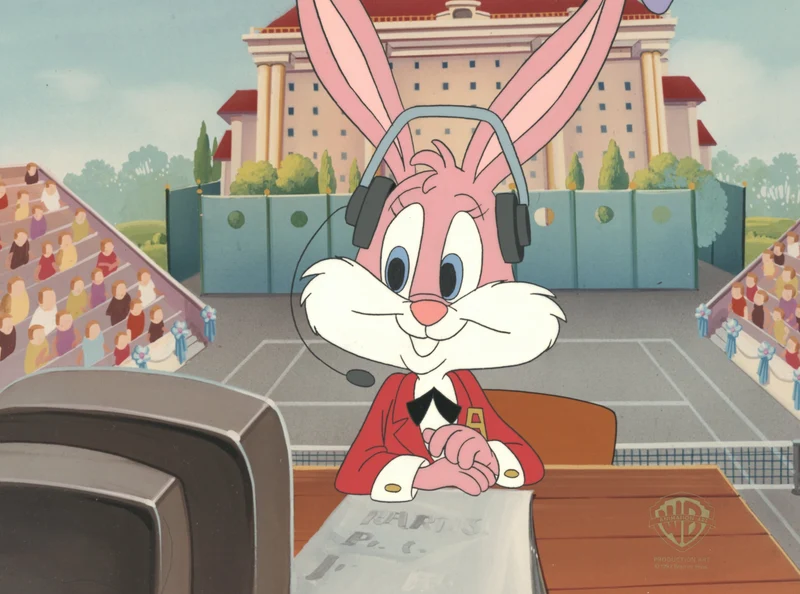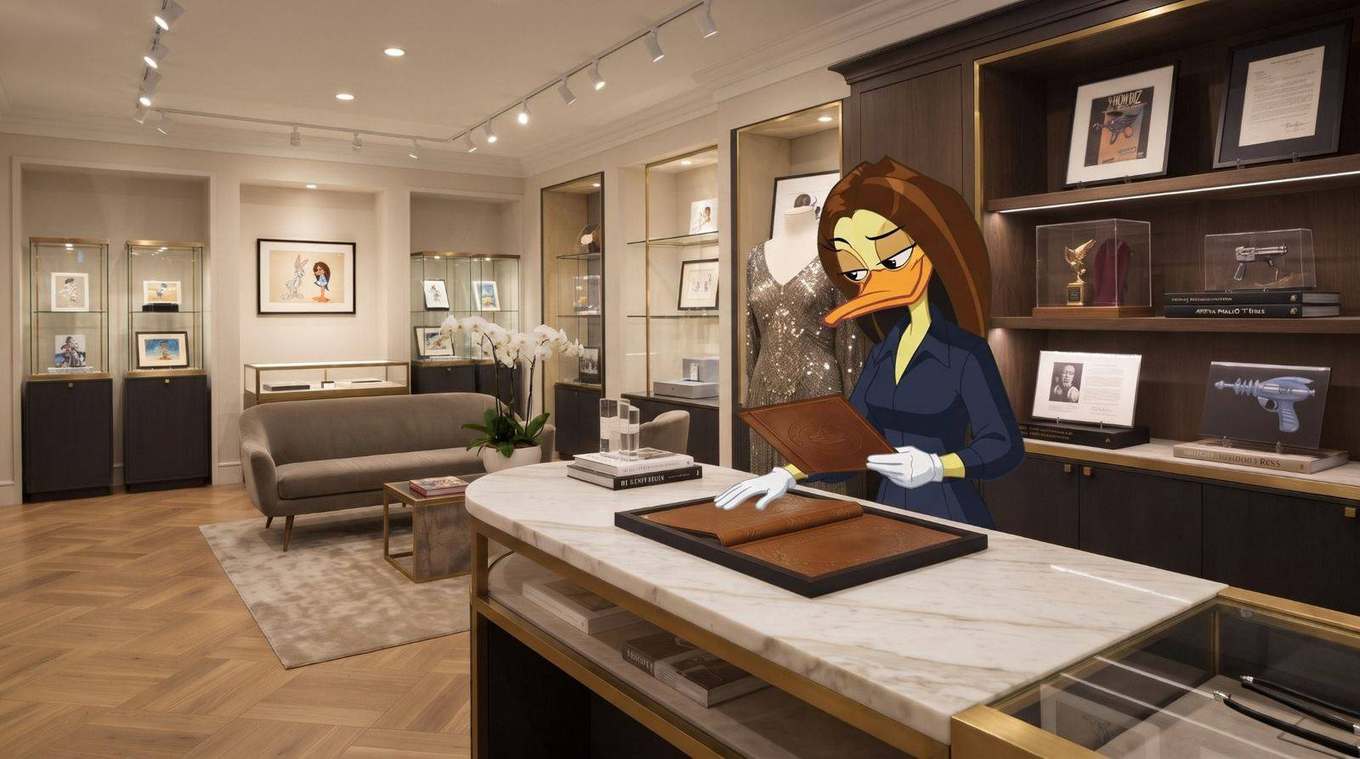
Bugs Bunny’s death has given the Toon memorabilia market something it hasn’t seen in years: a new wave of buyers.
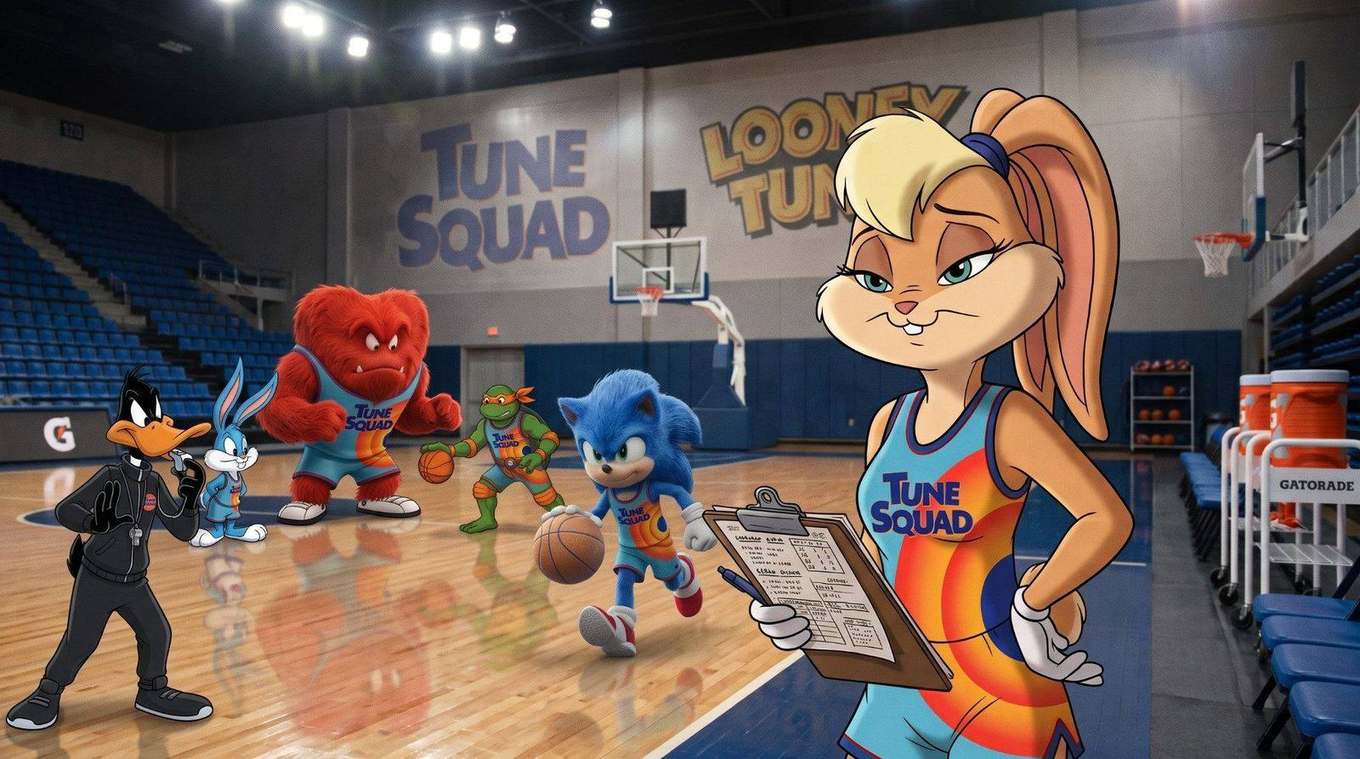
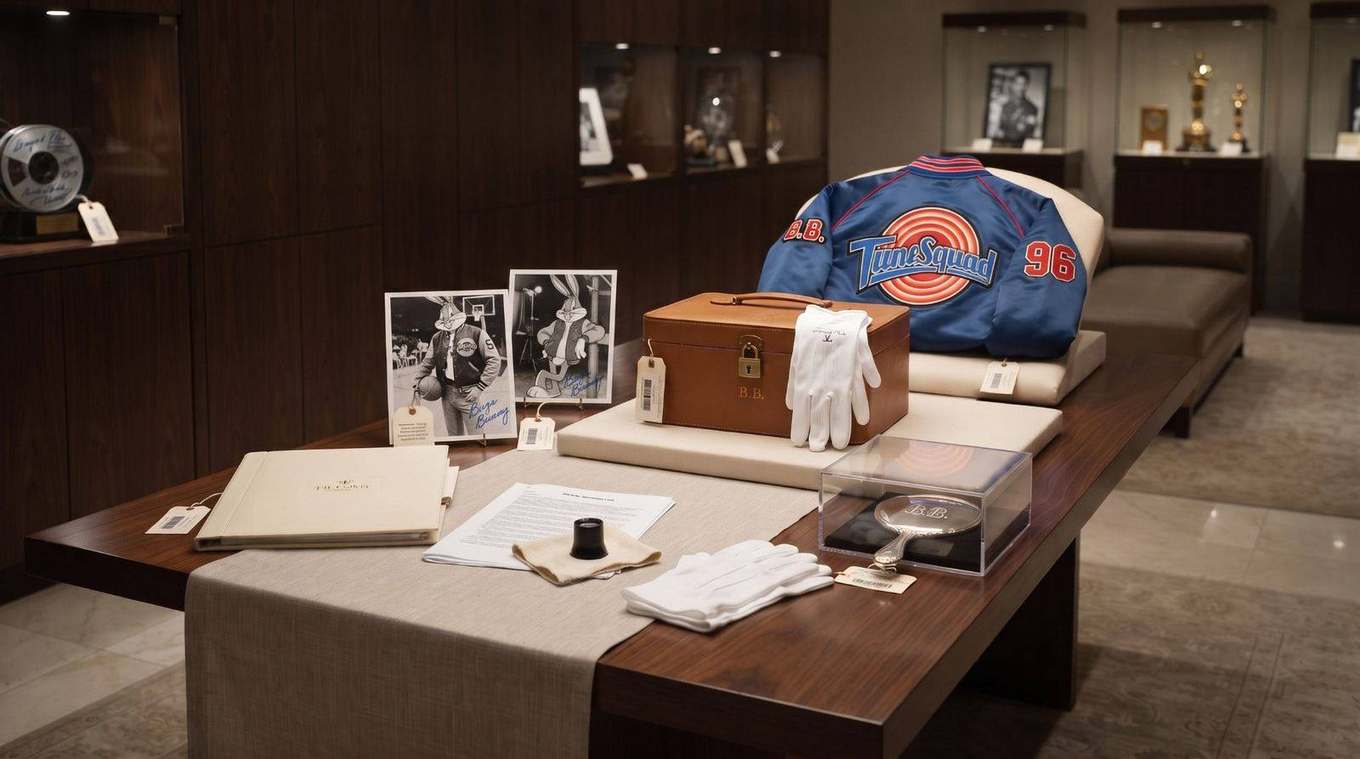
Screen-worn costumes, signed publicity photographs, original movie props and vintage studio merchandise are drawing renewed attention from collectors. Items connected to Space Jam, celebrating its 30th anniversary this year, are particularly desirable.
But as prices climb, the people selling Hollywood history are becoming nearly as interesting as the objects themselves.
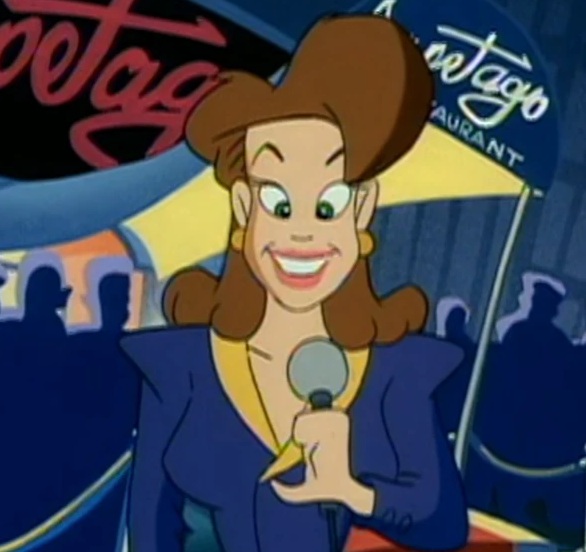
For Tina Russo, who operates a high-end consignment business specializing in valuable secondhand goods and entertainment collectibles, the opportunity comes with familiar headaches.
“Every week, somebody tells me their uncle worked at Warner Bros.,” Russo said. “Okay. Great. What have you actually got?”
Russo connects private sellers with collectors seeking rare merchandise and authentic pieces of entertainment history. She’s also exploring opportunities to expand her business.
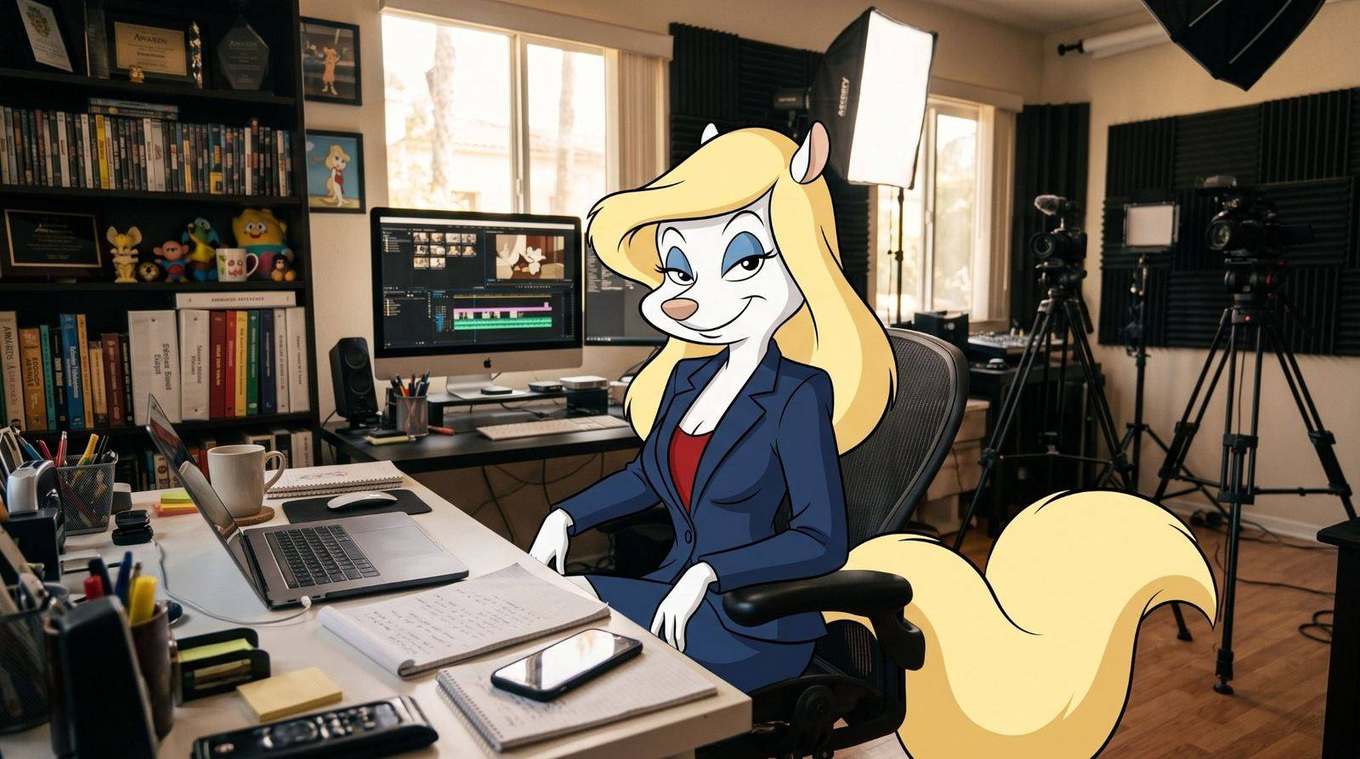
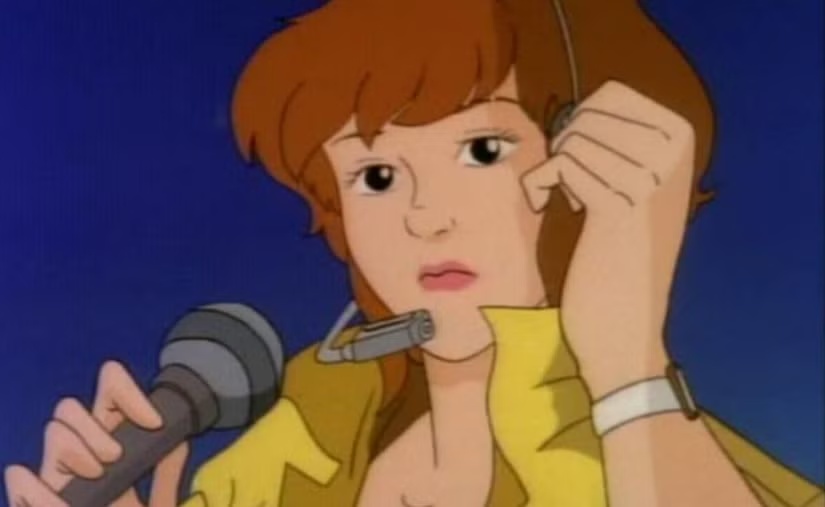
Among those interested in investing is Minerva Mink, whose considerable social media following could bring a traditionally private collectibles business to a much larger audience.
“An auction catalog is cute,” Mink said. “But I can put one picture in front of a whole lot of people before lunch. And believe me, people want things a lot more when everybody else wants them, too.”
The growing market is also creating opportunities for independent suppliers who locate collectibles outside traditional auction houses.
Beaky Buzzard, who sources merchandise for dealers including Russo, is among those middlemen.
“Uh, some folks have stuff, and some folks are lookin’ for stuff,” Buzzard explained. “Sometimes I know both of ’em. That’s about it.”
Such transactions aren’t inherently unusual. Hollywood memorabilia has passed between private collectors for decades, often without the involvement of a major auction house.
But establishing an object’s history can be difficult.
Costumes and props sometimes leave studios through legitimate sales, gifts or decades-old arrangements that were poorly documented. A jersey worn in a promotional appearance can resemble one used during filming, and a photograph of a celebrity holding an object doesn’t necessarily establish who owns it today.
For consignors, the risk is offering something valuable that turns out to be something else entirely.
“Look, a good story is nice,” Russo said. “A receipt is better.”
The renewed interest has created opportunities for collectors, investors and suppliers alike. It has also raised an increasingly important question about the booming trade in Toon nostalgia.
When the people who made an object famous are no longer around to explain where it came from, who gets to decide what it’s worth?