
Sixteen years ago, Aaron Sorkin wrote a movie about a lonely young man who built a website because a girl hurt his feelings.
By the end, he had connected half the planet and was sitting alone refreshing a friend request.
That was The Social Network.
It was complicated.
The Social Reckoning begins with a considerably simpler proposition:
Facebook did some very bad things.
Yes.
It did.
Now make a movie.
Sorkin returns to the company he helped turn into modern mythology, this time as both writer and director. Mikey Madison plays Frances Haugen, the Facebook employee who copied thousands of internal documents before leaving the company. Jeremy Allen White plays Wall Street Journal reporter Jeff Horwitz. Jeremy Strong plays Mark Zuckerberg.
Not the Mark Zuckerberg Jesse Eisenberg played.
That man was alive.
Obnoxious, brilliant, insecure, cruel, funny and constantly attempting to reach the end of your thought before you did.
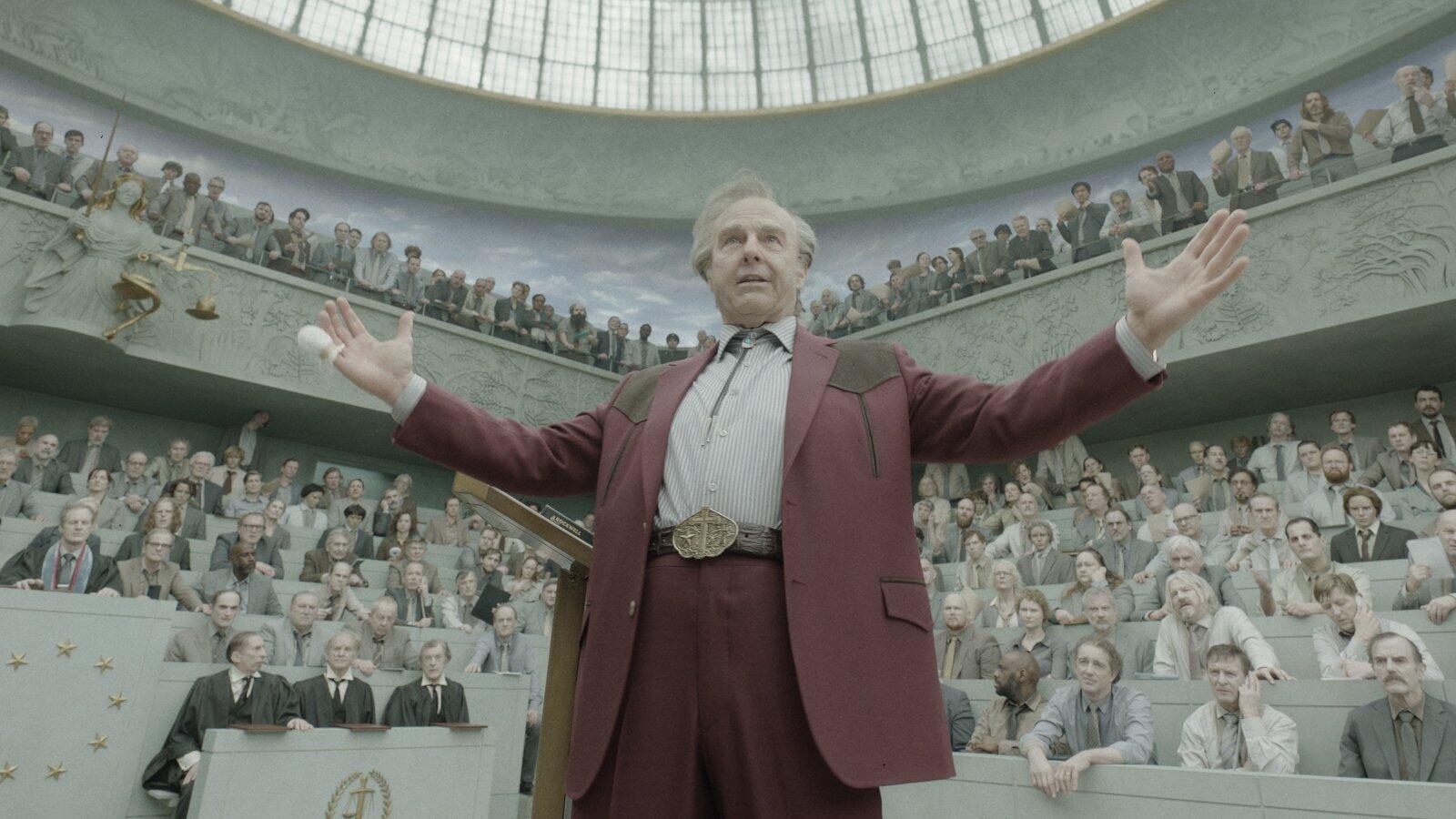
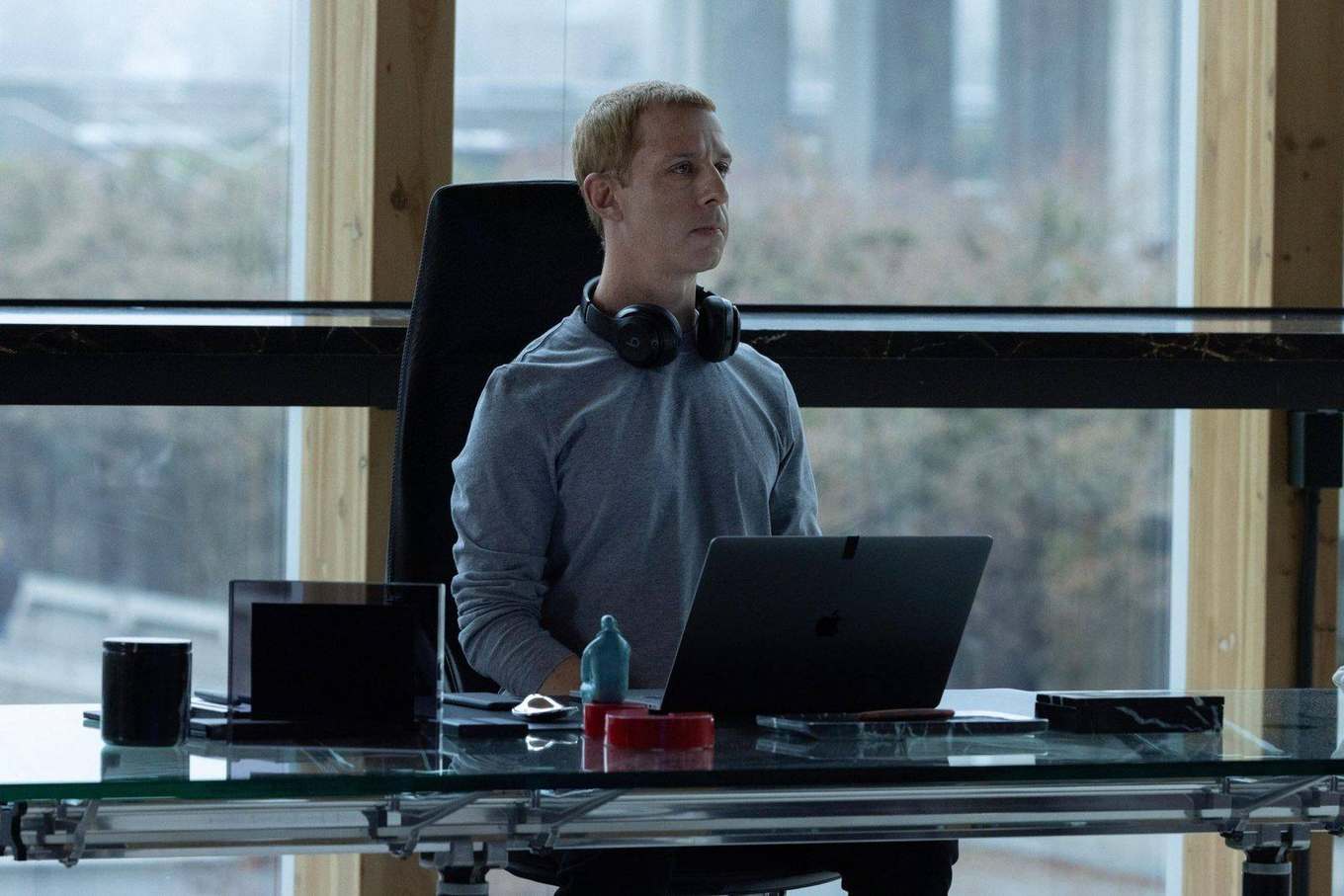
Strong’s Zuckerberg has already won.
He sits in rooms.
People brief him.
He pauses.
People wait.
He speaks.
Everybody writes it down.
The boy genius has become infrastructure.
This is an interesting idea.
It is not always an interesting performance.
Strong appears to have decided that a man with this much power no longer needs to charm, impress or intimidate anyone. Fair enough.
Unfortunately, actors occasionally need to do something.
There are moments when Zuckerberg seems less like a character than a very expensive router.
Enormous influence.
No emotional interface.
Mikey Madison has the opposite problem.
She has to locate a human being inside a movie that keeps threatening to become a presentation deck.
She does.
Her Haugen is not introduced as someone waiting for an opportunity to destroy Facebook. She believes in what it could be. She believes the company can solve the problems she sees. Gradually, she discovers that knowing how to solve a problem and wanting to solve it are not necessarily the same corporate objective.
That disappointment gives the movie something it desperately needs.
Pain.
Not statistics.
Not outrage.
Pain.
Haugen looks at Facebook and sees something she thought was good becoming something else.
Sorkin looks at Facebook and sees Exhibit A.
That is where the trouble starts.
The film is packed with ugly facts.
Internal research.
Special treatment for prominent users.
Evidence about Instagram and teenagers.
Algorithms rewarding engagement even when engagement means anger, misinformation or worse.
Warnings that the company understood consequences the public could not see.
These things matter.
Some of them are horrifying.
Several will make you want to throw your phone into the ocean.
Please remove the case first.
The problem is not that Sorkin has too much information.
Aaron Sorkin has built a career on too much information.
The problem is that his best movies turn information into combat.
Tom Cruise wants Jack Nicholson to admit what happened.
Brad Pitt wants baseball people to admit they are wrong.
Michael Fassbender wants everyone backstage to admit that Steve Jobs is the smartest person in the building.
The exposition is ammunition.
In The Social Reckoning, too many conversations begin with one person knowing something and end with another person also knowing it.
Congratulations.
Communication has been achieved.
Facebook finally works.
The original film used Facebook to explain Mark Zuckerberg. This one uses people to explain Facebook.
It is impossible to avoid David Fincher here.
I apologize.
Sorkin is probably tired of hearing about him too.
He should have made a worse movie with him.
The Social Network is remembered for Sorkin’s dialogue, but Fincher gave those words resistance.
Sorkin gave Zuckerberg an argument.
Fincher gave him a soul and then hid it somewhere.
That is enough.
We do not need a dissertation.
Fincher’s movie never entirely decides what Zuckerberg is. Visionary? Monster? Lonely kid? Genius? Petulant jerk with excellent timing?
Yes.
That uncertainty is what made him fascinating.
The Social Reckoning knows what it thinks.
Sorkin agrees with Sorkin.
The camera agrees with Sorkin.
The characters who are right agree with Sorkin.
The characters who are wrong seem to have failed to read the screenplay.
This creates the peculiar experience of agreeing with a movie while wishing somebody would argue with it.
Bill Burr helps.
He plays Charlie, a composite of early Facebook believers who eventually turned against the company.
Burr has a useful quality in a Sorkin movie.
He sounds like somebody who might interrupt Aaron Sorkin.
This should happen more often.
Mikey Madison does something similar simply by refusing to turn every thought into a closing argument.
She listens.
She hesitates.
She seems capable of having an emotion before converting it into a paragraph.
Her scenes with Jeremy Allen White are the movie’s best because they briefly stop explaining the scale of the Facebook documents and let two people realize the scale of the Facebook documents.
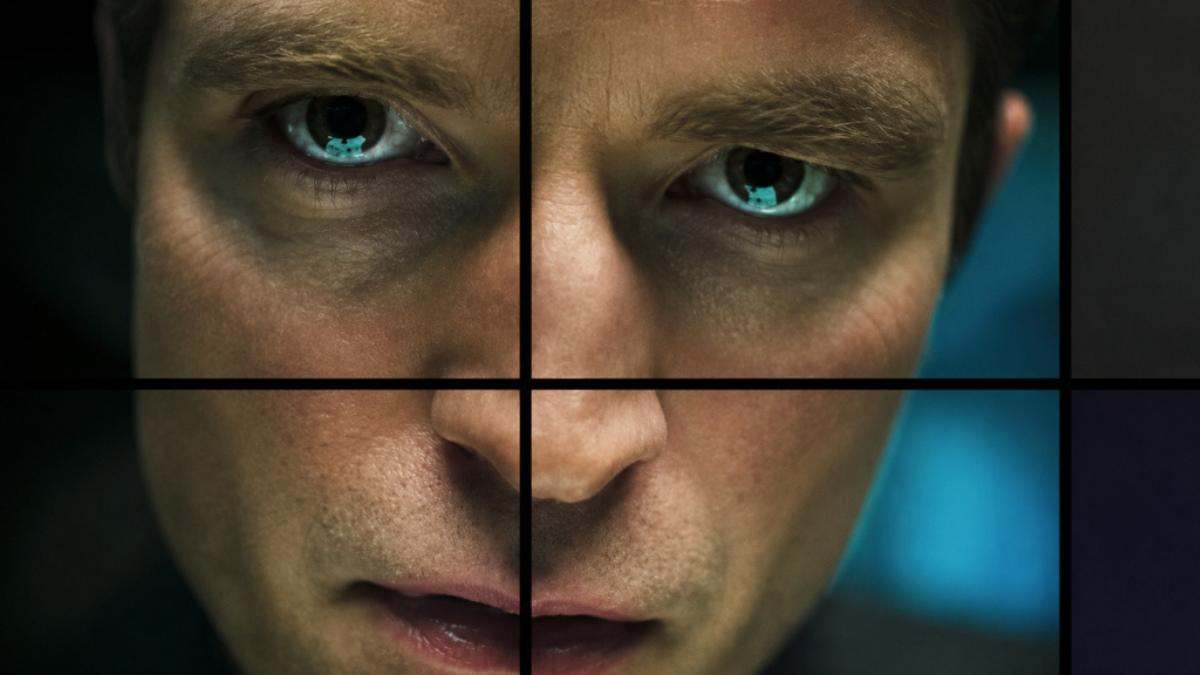
White is very good at looking like a journalist who has just realized the stack of papers in front of him may destroy his weekend, several careers and possibly democracy.
Tired before page two.
Correct.
Journalism.
The movie’s strangest decision arrives when it reaches January 6.
Sorkin examines misinformation, amplification, engagement and the systems that helped circulate dangerous claims.
Then he becomes oddly shy about the political actors involved.
Donald Trump’s name is conspicuously missing.
This is not a complaint about partisan balance.
It is a complaint about nouns.
If you are making a movie about causation, eventually you must name causes.
Imagine Jaws refusing to mention the shark because Steven Spielberg didn’t want to alienate viewers with strong opinions about marine life.
At one point I expected someone to describe the Capitol attack as an “unfortunate civic engagement outcome.”
The omission does not make the movie neutral.
It makes it conspicuous.
And that is frustrating because the real story Sorkin is circling is much richer than “Facebook became bad.”
The original mythology of Silicon Valley was about outsiders overthrowing institutions.

They were young.
They wore hoodies.
They disrupted things.
They moved fast.
Hollywood loved them because they were cowboys with venture capital.
Now the cowboy owns the railroad.
That is the story.
The outsiders became the institution.
The kid who built a website in a dorm room became a man whose decisions could affect elections, journalism, markets, teenagers, governments and millions of people he would never meet.
That transformation is fascinating.
The Social Reckoning knows it intellectually.
I’m not sure it feels it.
There are flashes.
Strong sitting at the center of rooms where nobody can challenge him.
Madison realizing the company she believed in may not want to become the company she believed it was.
White staring at documents that convert abstract suspicion into something tangible.
Then Sorkin turns the lights on and explains everything again.
He doesn’t trust silence.
He should.
Movies have faces.
Very useful technology.
The larger irony is that The Social Network understood something The Social Reckoning occasionally forgets:
Facebook succeeded because people liked it.
We joined.
We posted.
We uploaded photos.
We argued.
We found people from high school we had successfully avoided for fifteen years.
Then we became horrified that Facebook knew so much about us.
Facebook knew because we told it.
Repeatedly.
For free.
That complicity is uncomfortable.
It is also dramatic.
A movie about Facebook should make us feel implicated, not merely informed.
The Social Reckoning mostly puts Zuckerberg in the defendant’s chair and invites us into the jury box.
Comfortable seats.
Clear sight lines.
No responsibility.
Sorkin remains too talented for the movie to become dull in any ordinary sense. His dialogue still snaps. Madison is excellent. White is sharp and funny. Strong’s remoteness occasionally becomes chilling. And the subject is genuinely important.
But importance is not drama.
Being right is not drama.
Research is not drama.
A movie can contain accurate information about something urgent and still leave you wishing somebody had made it bleed.
Near the end, Sorkin arrives at the idea that should haunt the whole picture:
Facebook was built to connect people.
Connection is morally neutral.
People connect to friends.
People connect to family.
People connect to lies.
People connect to mobs.
People connect to hatred.
The network does not care.
People are supposed to.
There is a chilling movie inside that thought.
Sorkin keeps turning on the lights.
On the Shermometer, The Social Reckoning lands somewhere between “required reading” and “I thought this was a movie.”
Two and a half anvils out of five.
Aaron Sorkin has made a persuasive case against Facebook.
The defense rests.
So, unfortunately, does the audience.