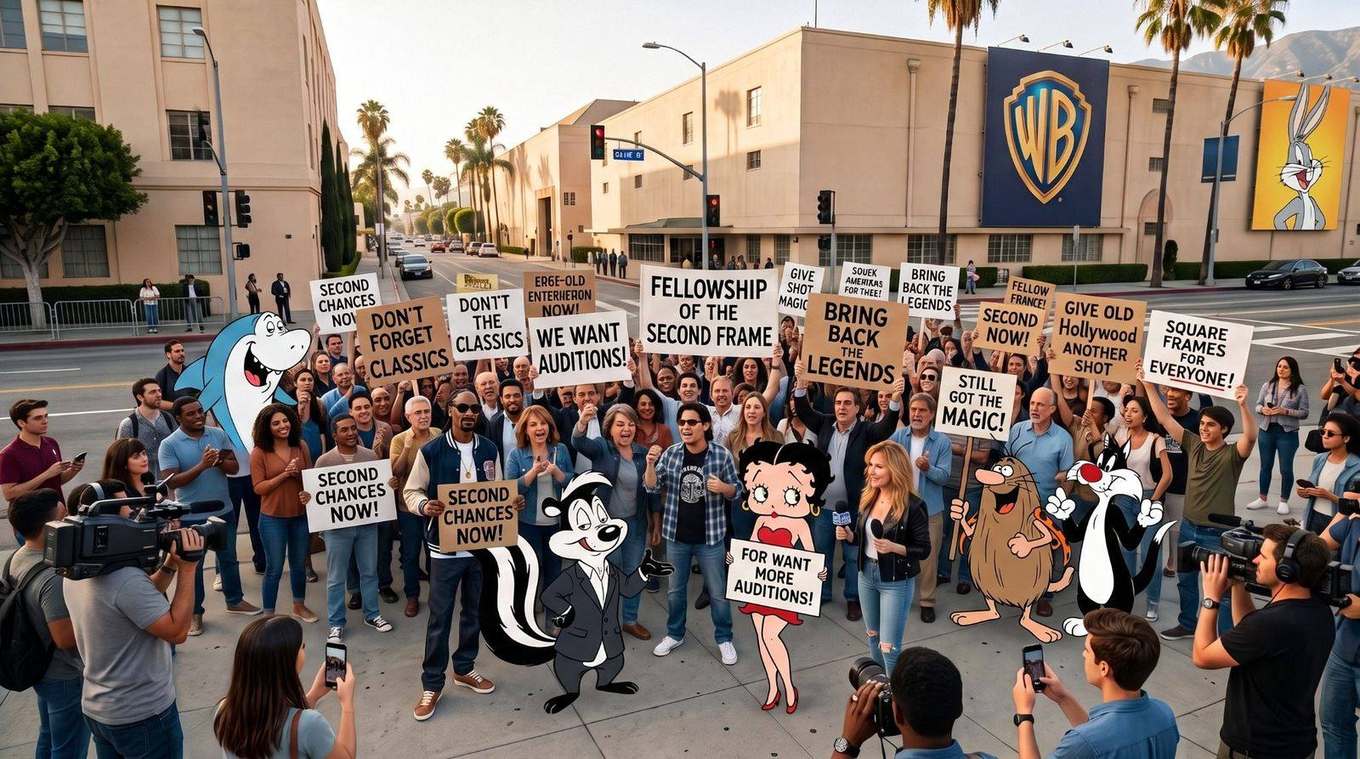
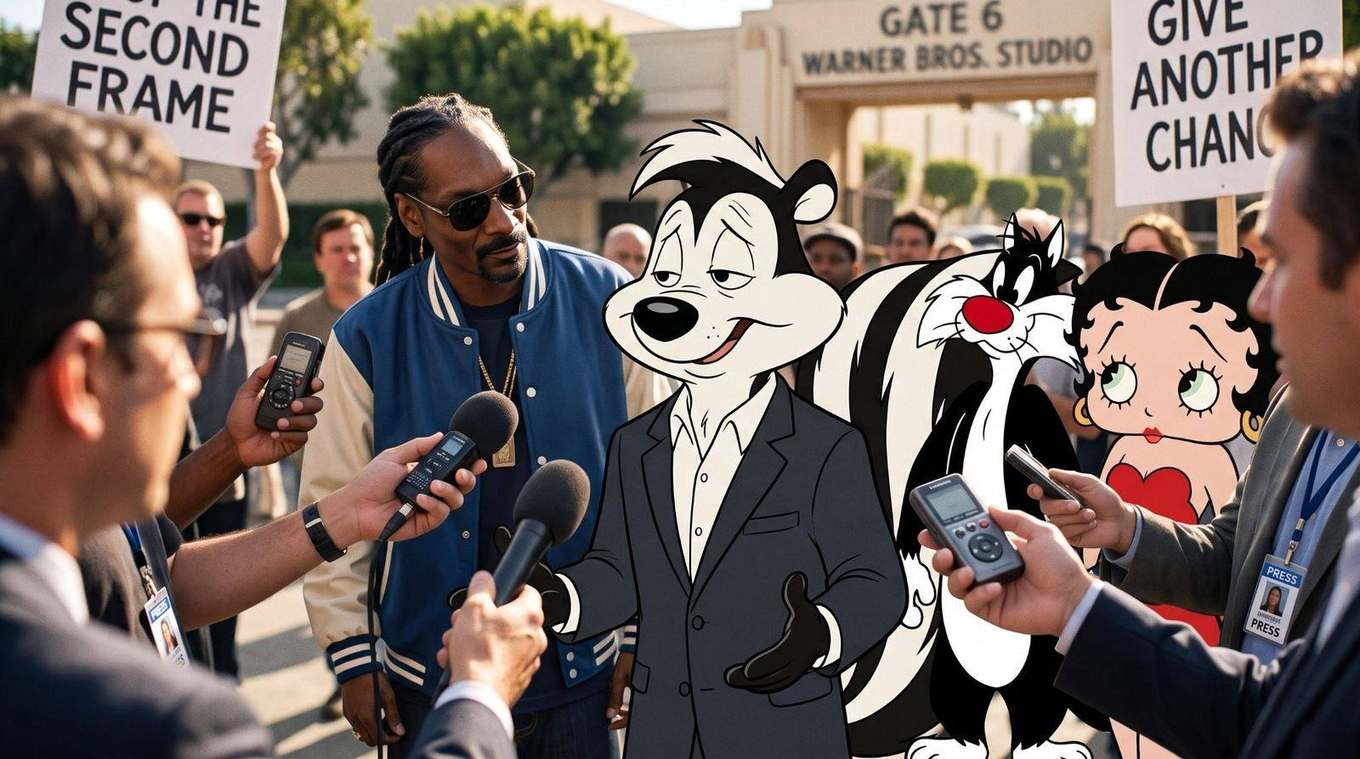
BURBANK — By Monday afternoon, the crowd outside Warner Bros. had attracted what many of its members had spent years trying to get: cameras. The Fellowship of the Second Frame arrived to protest an entertainment industry that, in its telling, discards yesterday’s famous faces the moment a newer one can fill the frame. It left with television crews, a waiting bank of microphones and the promise of a headline.
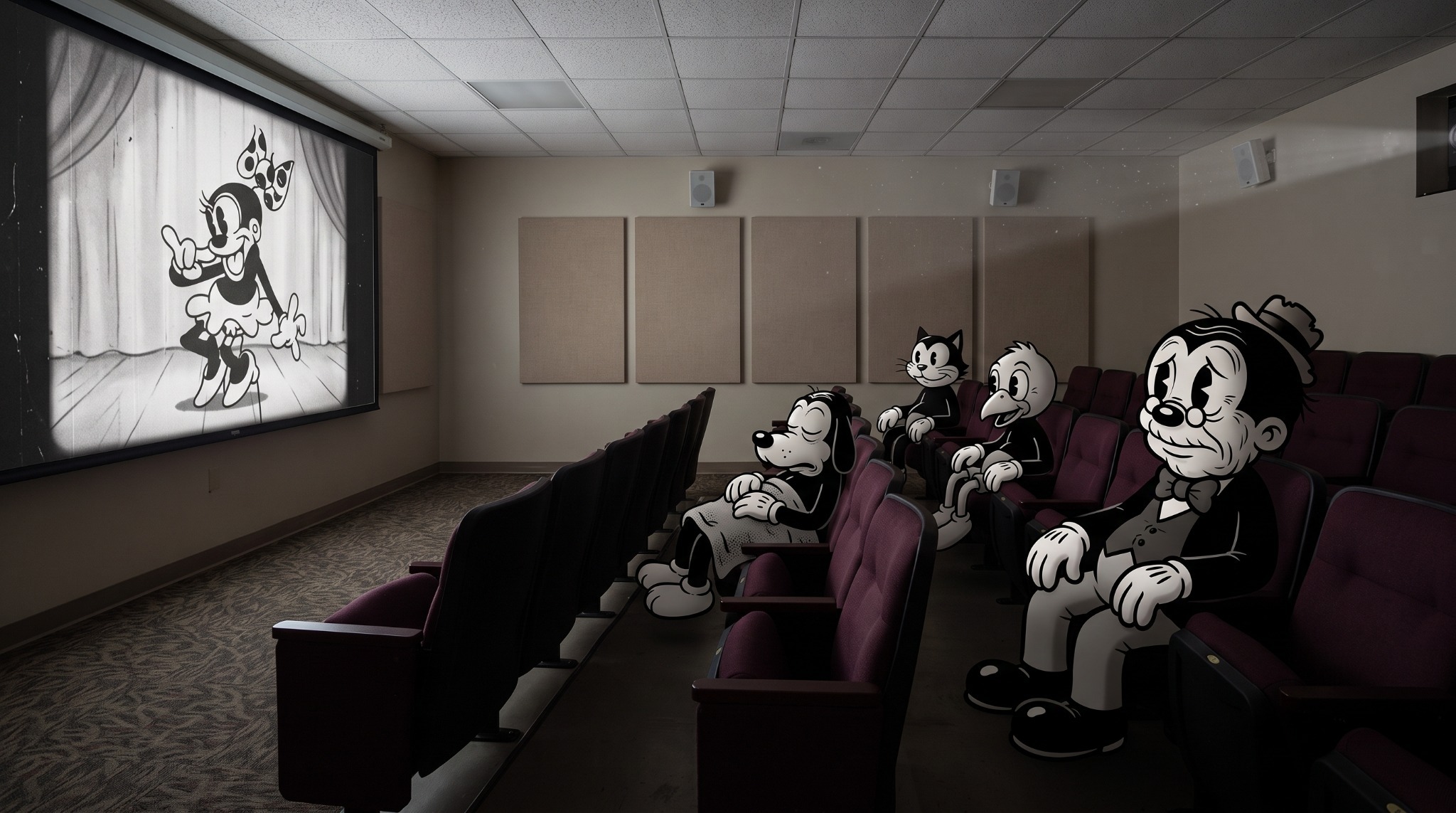
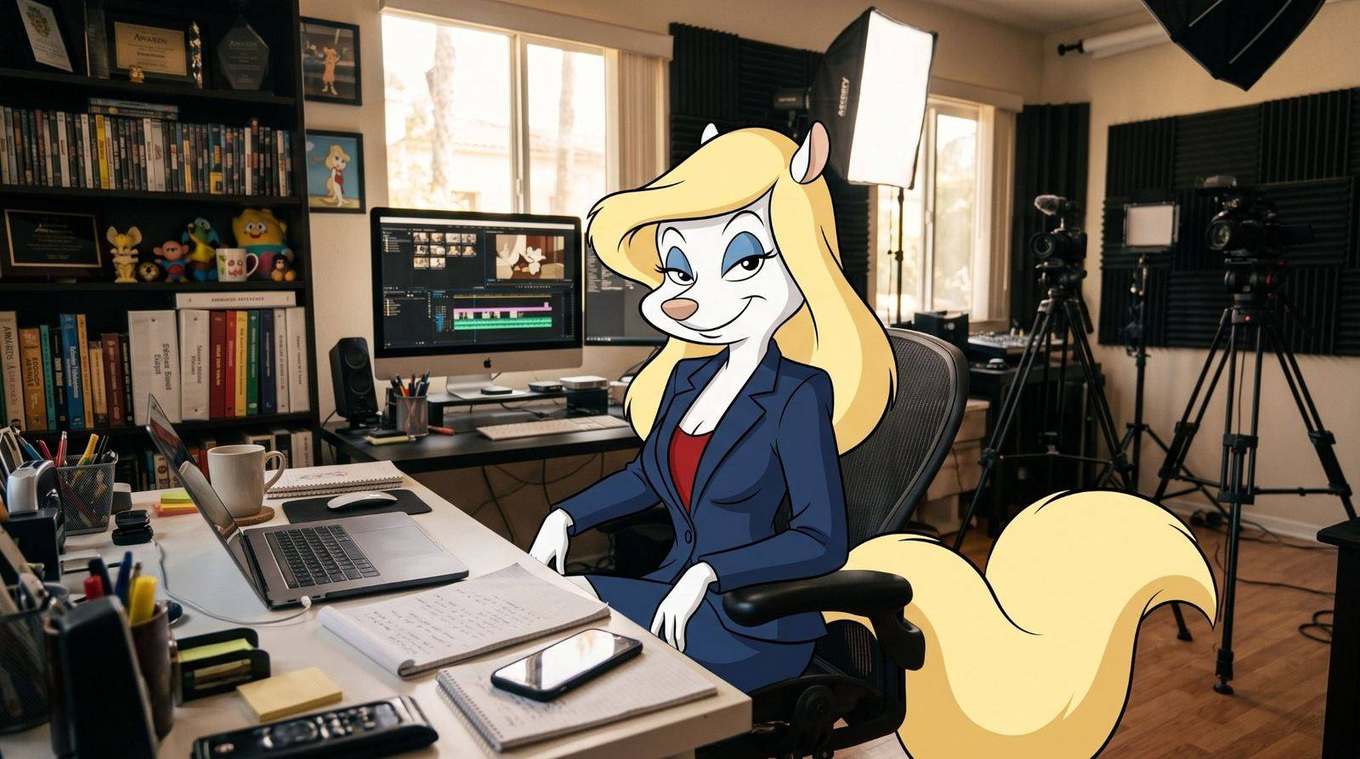
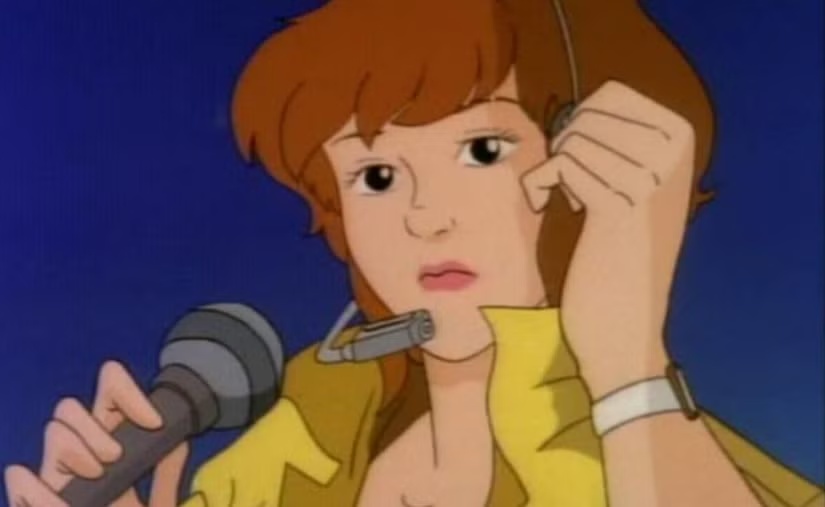
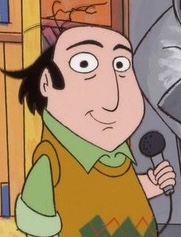
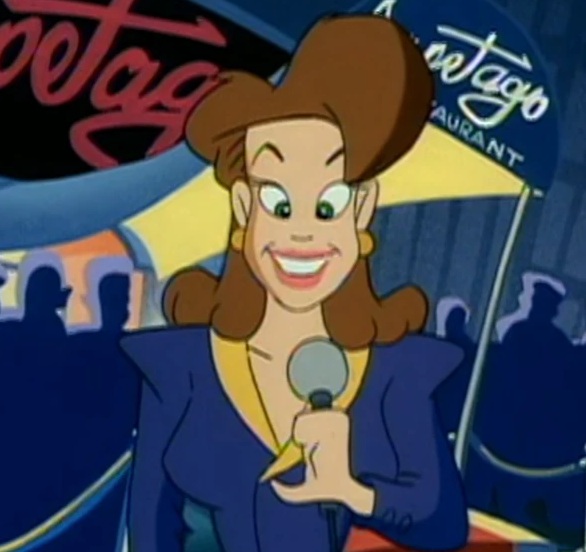
Pepé Le Pew addressed the gathering alongside Snoop Dogg, Betty Boop and Tiffany. Around them stood Jabberjaw, Corey Feldman, Captain Caveman, Roseanne Barr, Beaky Buzzard and Sylvester—all members of the Fellowship. It was the sort of celebrity lineup that might once have filled a network variety special—assuming the network could agree on a decade.
“Everybody here knows what it’s like when the phone stops ringing,” Snoop told SHOWBIZ. “Some folks need work. Some need a second chance. Some just need somebody to remember they’re still here. We made some noise, and people listened.”
The demonstration remained focused on visibility and opportunity for performers, human and Toon alike. Protesters called for casting offices, studios and audiences to look beyond the usual names. By the time the crowd began dispersing, members were congratulating each other on a rare modern entertainment success: getting a studio’s attention without needing a new franchise to do it.
A congregation for the forgotten
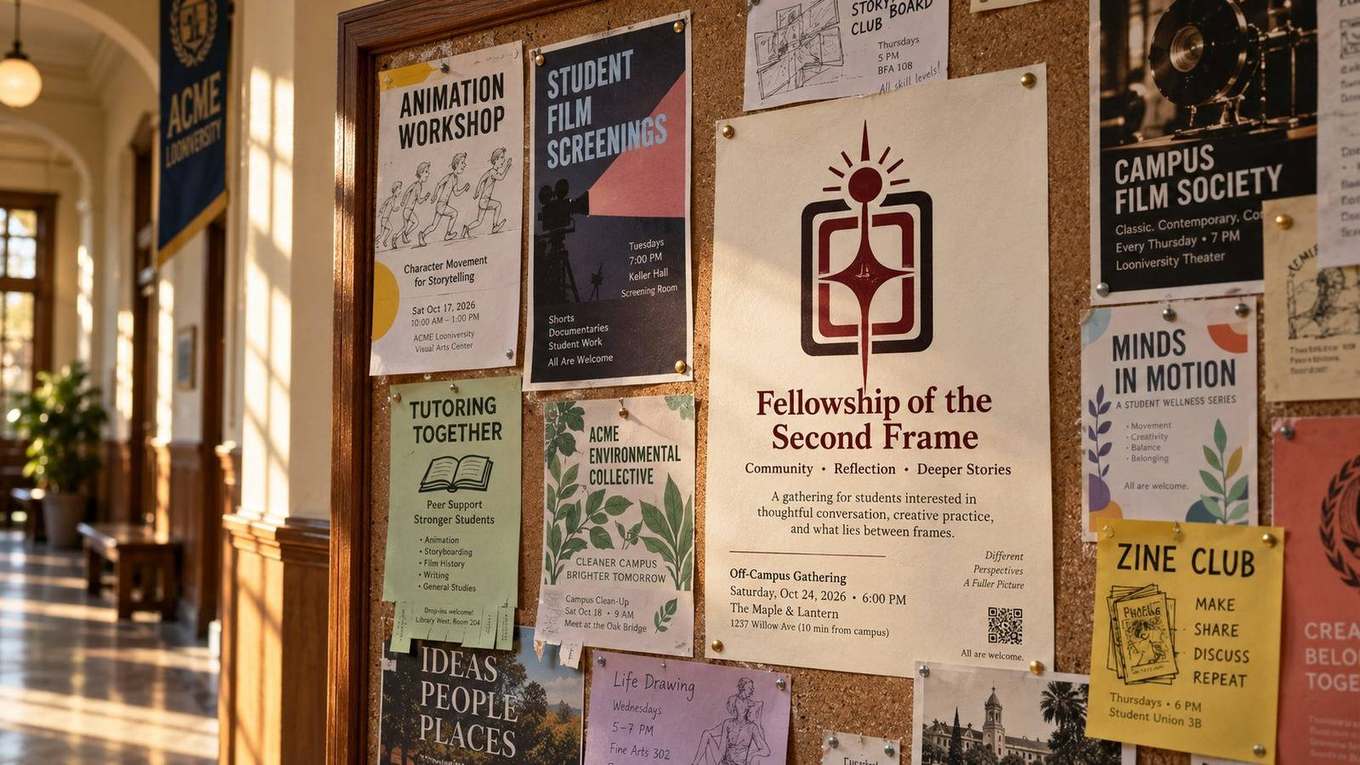
That demand for attention is only one part of the Fellowship’s appeal. The fast-growing spiritual movement says its real work begins when the cameras leave. It offers a community to entertainers coping with diminished careers, damaged reputations, loneliness and the peculiar humiliation of remaining recognizable long after the work has disappeared.
Members describe prayer gatherings, shared meals, creative workshops, career introductions and private conversations about mistakes they have made or disappointments they have endured. Fellowship supporters speak of accountability and mutual encouragement as readily as they do of bookings. For people whose professional lives have been built around an audience, the chance to be heard without an audition can feel like a blessing.
Betty Boop, one of the movement’s increasingly visible members, called that its most practical benefit. “People remember the song, the dress, the little ‘boop-boop-a-doop,’” she said. “They don’t always remember the person who has to get up the next morning. Here, somebody asks how you are. That matters.”
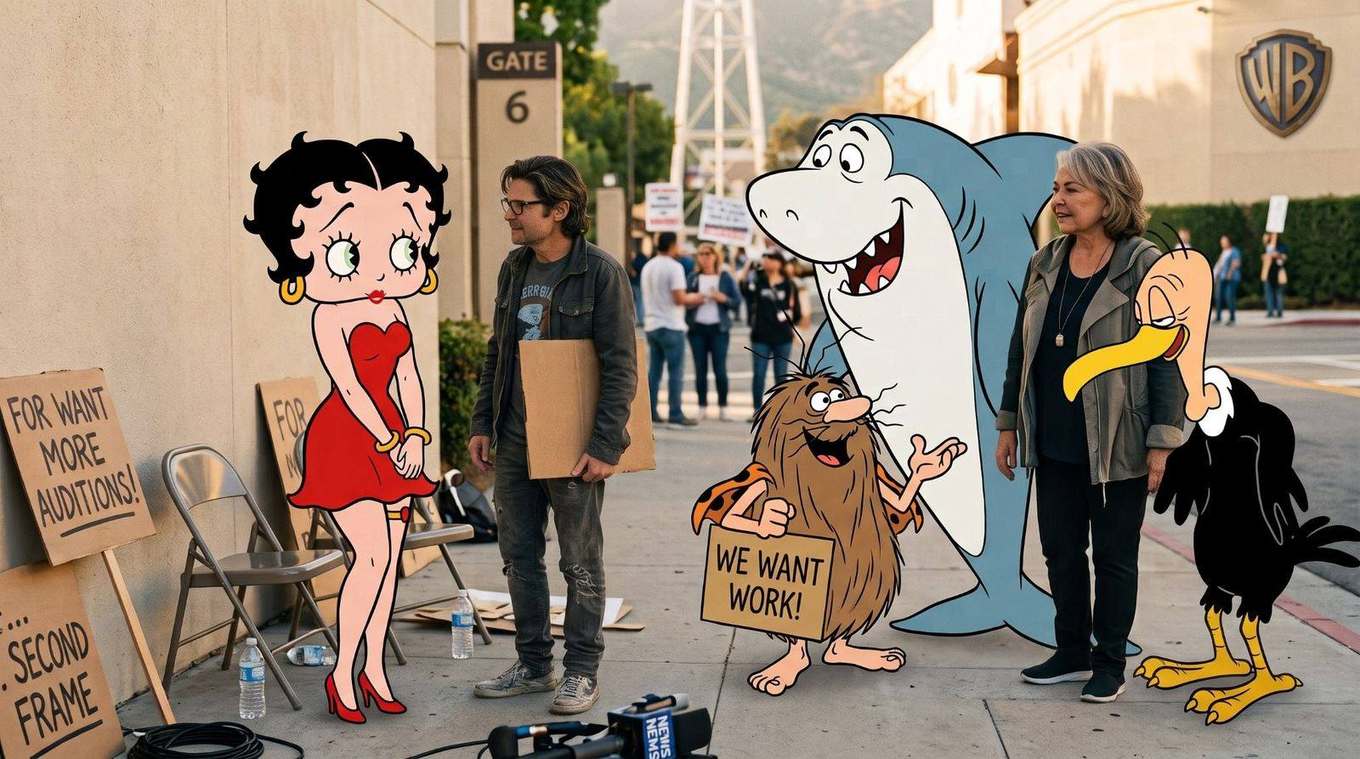
The Fellowship’s public message is simple: nobody is beyond redemption and no career deserves to be pronounced finished. Its members insist there is no contradiction between faith and wanting another job. A familiar face opening a door for an unfamiliar one, they say, is an act of generosity—not evidence of a conspiracy.
The celebrity roster helps. A new member might arrive for spiritual support and find a room full of performers, agents’ acquaintances and people who remember how to call a producer directly. The Fellowship describes such connections as fellowship in the ordinary sense of the word. Skeptics say the promise of belonging can become hard to distinguish from the promise of access.
The second chance club
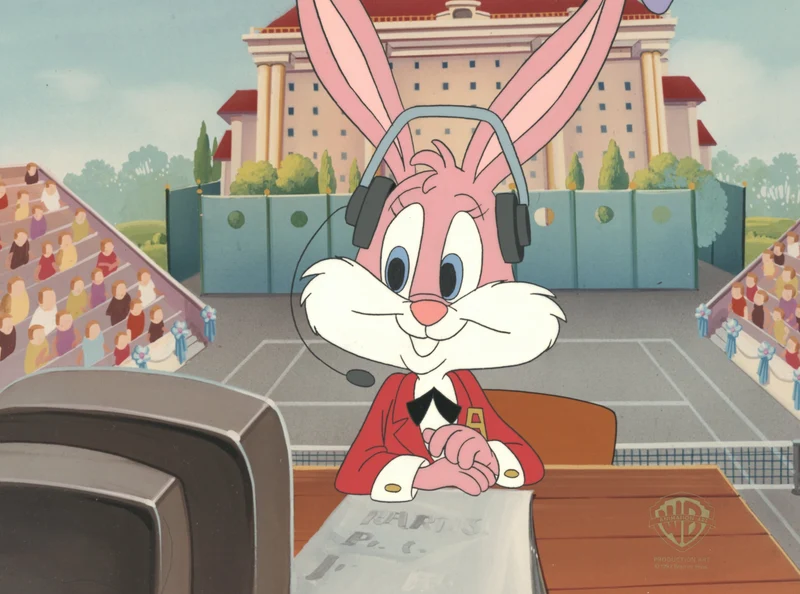
Few members embody that tension more vividly than Le Pew. The onetime Warner Bros. fixture lost his studio job when Bugs Bunny fired him following #MePew, a movement that arose alongside #MeToo but centered specifically on allegations against him. Former colleagues described unwanted advances and persistent pursuit after rejection. Le Pew believes he was unfairly singled out for behavior Hollywood had tolerated in others; those who spoke out say accountability was overdue.
Now his casting in the upcoming season of The Traitors offers a possible comeback. Le Pew credits the Fellowship with helping him confront his past.
“I felt #MePew made me the face of every terrible thing this industry had allowed,” Le Pew told SHOWBIZ. “I still believe I was singled out. But I hurt people. I called it romance when I should have listened to the word no. The Fellowship brought me back to God, and God taught me that repentance is not a publicity campaign. I must treat people better whether they ever forgive me or not.”
Whether that repentance earns him forgiveness is another matter. The congregation includes Barr, whose television revival collapsed after her racist remarks in 2018; former child star Feldman; and Tiffany, Jabberjaw, Captain Caveman and Beaky Buzzard, all seeking renewed opportunities or community. Their circumstances are hardly equivalent, but the Fellowship offers each a place at the table.
Faith, fame—and questions
Hollywood knows the appeal of spiritual movements promising belonging and reinvention, especially when famous faces help open doors. The Fellowship calls its prayer meetings, career introductions and private discussions ordinary acts of support. Skeptics wonder whether members feel pressure to trade personal disclosures, donations or loyalty for that access.
“When somebody is lonely and desperate for a comeback, an invitation can feel like salvation,” said an entertainment publicist who requested anonymity. “I’d want to know whether they can say no to the next invitation without losing the people who welcomed them.”
There are darker whispers, too: invitation-only late-night gatherings, unexplained financial arrangements and unspecified “favors” allegedly demanded of loyal members. Some Hollywood observers have invoked the Manson Family, though SHOWBIZ has found no evidence of violence or criminal activity by the Fellowship; these claims remain unsubstantiated. The organization rejects allegations of exploitation and says outsiders mistake private religious practice for secrecy.
For the members outside Warner Bros., Monday was a victory. Reporters came, cameras rolled, and once-forgotten faces made the news. “We asked Hollywood to see us,” Le Pew said as the crowd dispersed. “For today, at least, it did.”