Hollywood only recently found the phrase nepo baby. Animation has been putting “Junior,” “Baby,” “Little,” “Son of,” “Nephew of” and an extremely familiar surname on the call sheet for nearly a century.
The argument is usually reduced to talent: either the child is good or the child is not. That misses the part the industry actually runs on. Access happens before the audition. A famous family can mean introductions, representation, training, money to wait out unemployment, the ability to self-finance a pilot, a recognizable surname and an audience that arrives before the work does.
Animation adds an advantage live-action dynasties do not always possess: inherited intellectual property. A legacy toon can inherit not only a name but a silhouette, a world, supporting characters, catchphrases, merchandising relationships and a studio’s reason to keep the franchise alive. In ToonTown, the family business may literally be a universe.
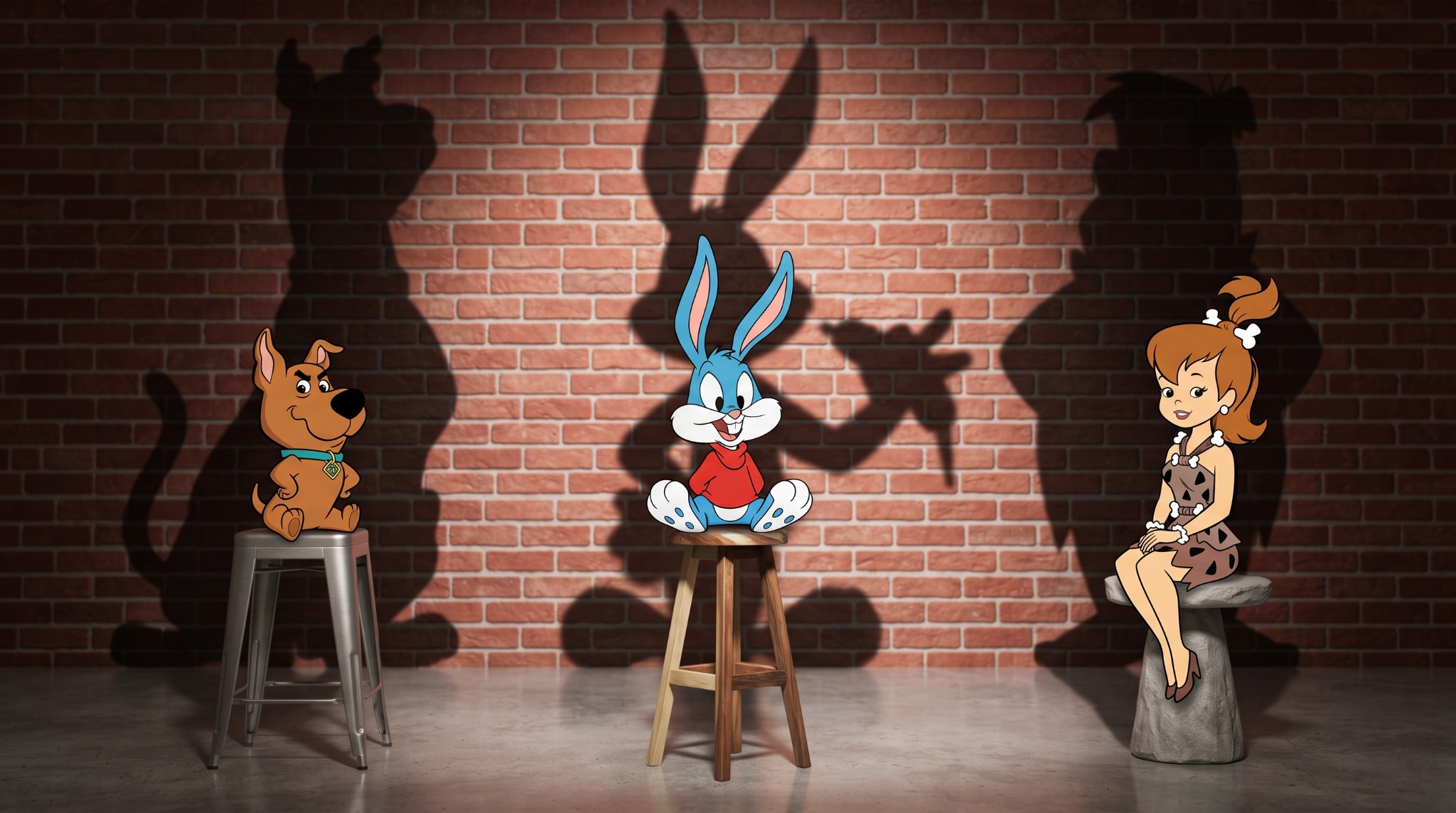
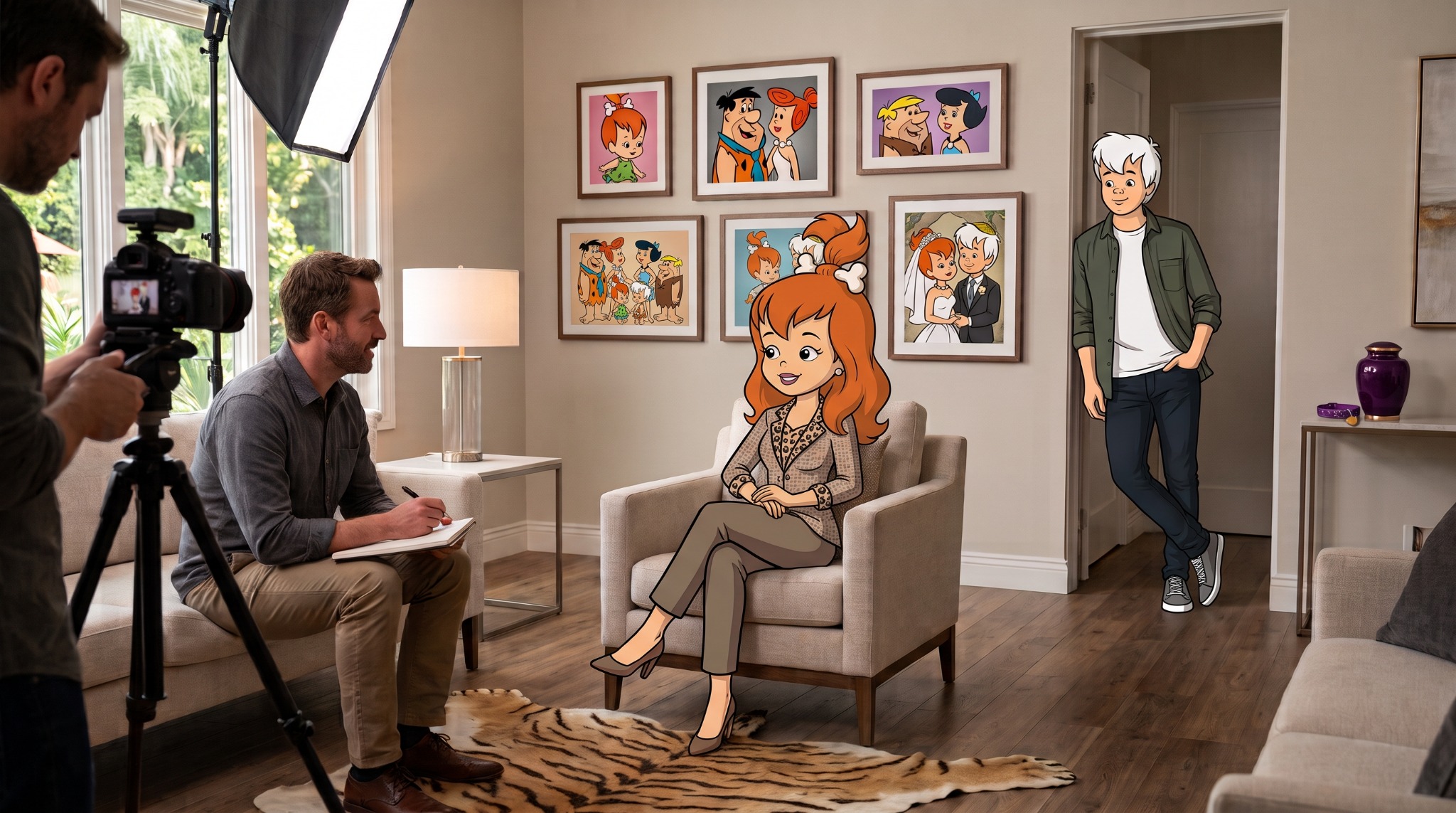
The examples are not theoretical. Donald Duck’s nephews grew from supporting relatives into core pieces of the Duck franchise and helped power DuckTales. Max Goof moved from “Goofy’s son” into Goof Troop, feature films and a fan base with its own generational identity. Pebbles Flintstone and Bamm-Bamm Rubble graduated from famous children to headline characters. Scrappy-Doo arrived with instant access to a functioning hit and eventually became a franchise argument unto himself.
Those careers also illustrate why nepotism stories are rarely just about the first job. They are about what happens after it.
The success case: Max Goof began with a surname, a household and an audience he did not have to build. What sustained him was differentiation. By the time his career reached feature films, the appeal was no longer simply that he was related to Goofy; audiences recognized a different generational point of view. In the current toon economy, Max has parlayed that identity into a small production and live-events business focused on youth music and nostalgia programming — an extension that would have been much harder to launch without decades of family recognition behind it.
The brand case: Pebbles Flintstone has treated the family name less like a role and more like a consumer platform. After on-screen revivals produced mixed results, she licensed a Bedrock-themed family line spanning children’s products and home goods. The acting career no longer has to carry the entire business. The surname itself has commercial value.
Some legacy careers become successful precisely because the performer eventually develops an identity the family could not hand down.
The second-chance case: Scrappy-Doo is the cautionary version. Early access was extraordinary; audience affection was not. A later streaming vehicle failed to make it past its initial order, but Scrappy still had representation, franchise relationships and enough notoriety to relaunch as a podcast guest, convention draw and producer of low-budget mystery specials. A performer without a famous uncle and fifty years of brand awareness would be unlikely to receive the same number of resets.
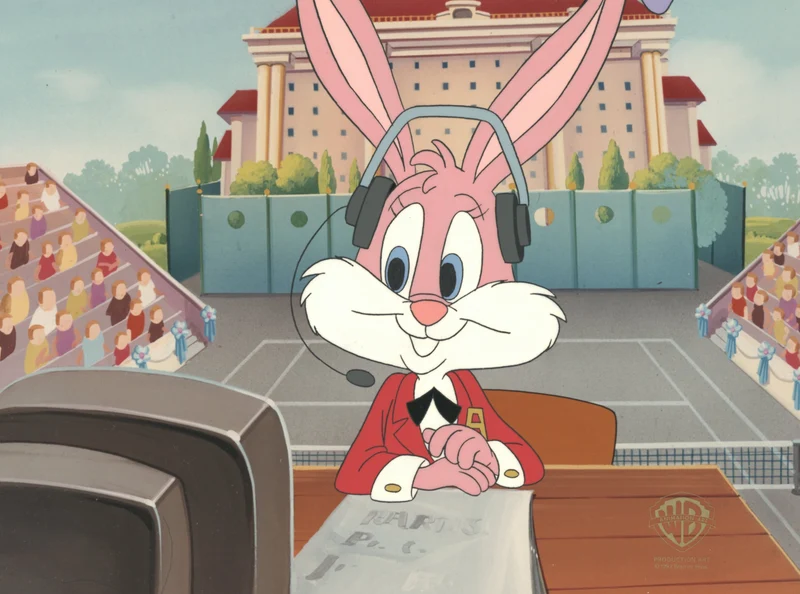
Then there are protégés and designed successors. Tiny Toon Adventures is the cleanest example precisely because the central relationship is usually not biological. Buster and Babs share a species and a surname with Bugs but are not his children — and, in the original series, are not even related to each other. Acme Looniversity instead formalized mentorship: Bugs teaches Buster, Daffy mentors Plucky, and a new generation is built around recognizable professional DNA without literal inheritance. That makes Tiny Toons less a nepo-family case than an institutional-access case — the cartoon equivalent of being trained inside the family business without sharing the family tree.
Childhood versions and prequels operate similarly. Muppet Babies, Baby Looney Tunes, A Pup Named Scooby-Doo and The Flintstone Kids all found ways to turn an existing audience’s affection into a younger cast. Nobody had to explain the brand before asking viewers to care.
What separates the modern nepo-toon from earlier franchise offspring is the number of businesses available after the performance career. Agents say younger legacy clients now arrive at meetings asking about production banners, merchandise participation, podcasts, licensing, equity, food products, fashion and direct-to-consumer brands at the same time they ask about roles.
That mirrors live-action Hollywood, where celebrity offspring increasingly use attention and access to build businesses adjacent to — or completely outside — acting. Some become durable companies. Others are short-lived experiments. The advantage is not that every launch works. It is that a failed launch rarely exhausts the opportunity.
A non-connected performer may spend years trying to secure one meaningful meeting. A legacy performer can survive a canceled series, switch representation, relaunch as a musician, open a production company, attach a surname to a consumer brand and try again. Family capital can absorb the waiting period. Family contacts can create the next introduction. Familiarity can turn a pivot into a headline.
That does not make the resulting work fake. Some legacy careers become successful precisely because the performer eventually develops an identity the family could not hand down. Connections can create opportunity; they cannot manufacture every hit.
What they can manufacture is time.
Time to train. Time to fail. Time to pivot. Time to wait for the second meeting after somebody else never got the first.
Animation has always understood inheritance as a creative engine: families, protégés, juniors, reboots and echoes keep worlds alive. The modern nepo-toon simply makes the economics harder to ignore. The uncomfortable question is not whether talented children can come from famous families.
It is how many chances come with the family package.