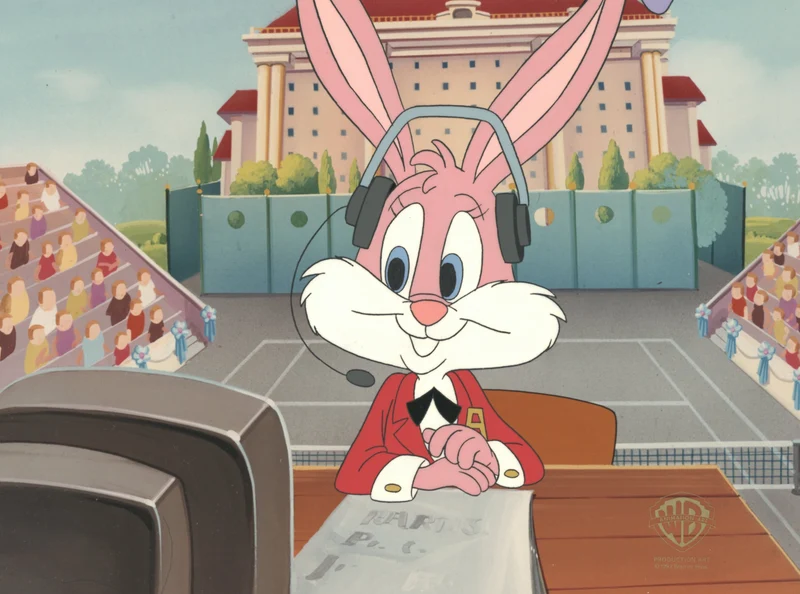
BURBANK — The strangest thing about an 80-year-old cartoon finding a new audience is that nobody involved has to make another one.
The backgrounds are painted. The dialogue is recorded. The anvils have already fallen.
A studio simply puts the short on a streaming service and waits.
Then, occasionally, something peculiar happens.
A character whose last major theatrical appearance predates color television begins appearing in search data alongside current preschool shows. Clips start circulating. Merchandise moves. Parents discover that their children know a catchphrase they assumed belonged to their grandparents.
And somewhere inside a studio, a meeting gets scheduled.
Animation libraries have always had unusually long commercial lives. Streaming has turned that longevity into something more valuable: a continuous test of which characters, worlds and franchises still have an audience.
The result is changing how studios think about old cartoons, new cartoons and the increasingly blurry line between the two.
THE LIBRARY NEVER CLOSES
Live-action libraries age in familiar ways.
Actors get older. Sets look dated. Technology changes. A contemporary drama can become a period piece without meaning to.
Toons have a different problem.
They often do not age at all.
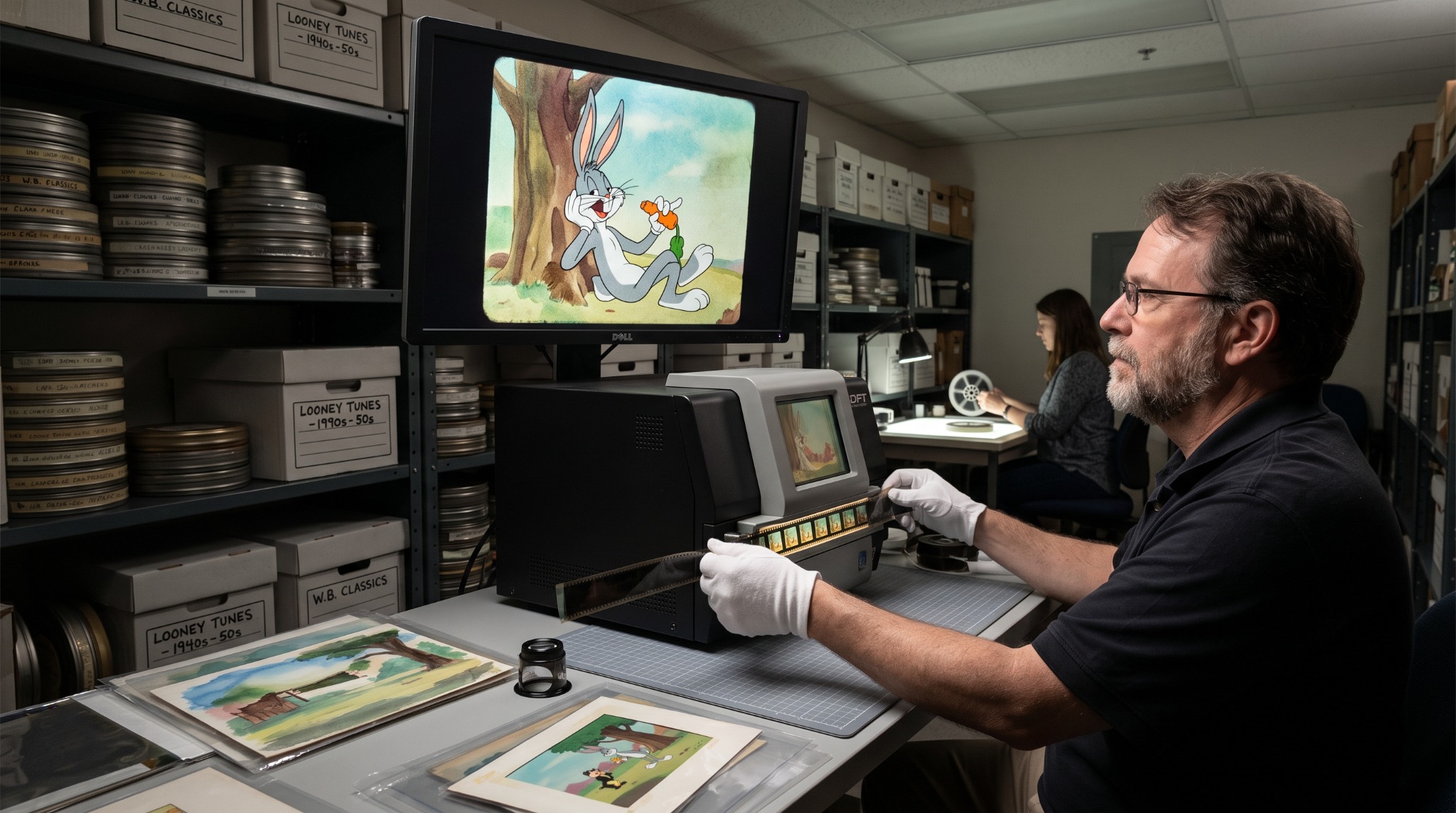
A rabbit drawn in 1940 can appear beside a character created last year with no explanation beyond a slightly different line weight.
That gives animation libraries a peculiar advantage in streaming. The material may be old, but the performer does not necessarily look old.
For decades, studios treated classic shorts primarily as packages: theatrical reissues, television syndication, VHS collections, cable blocks and DVD sets.
Streaming removes the package.
A viewer can encounter one short without knowing what year it was made, what series it belonged to or where it originally played.
To the platform, it is simply another piece of content capable of keeping somebody watching.
To the studio, that viewing can become market research.
“If a character suddenly starts performing with kids who were not alive when the last series aired, people notice,” says one animation executive. “The library stops being history and starts becoming development.”
THE ALGORITHM DOESN’T KNOW “OLD”
That has complicated one of animation’s oldest distinctions: current versus classic.
A studio executive may think of a short as archival material.
A seven-year-old discovering it after dinner does not.
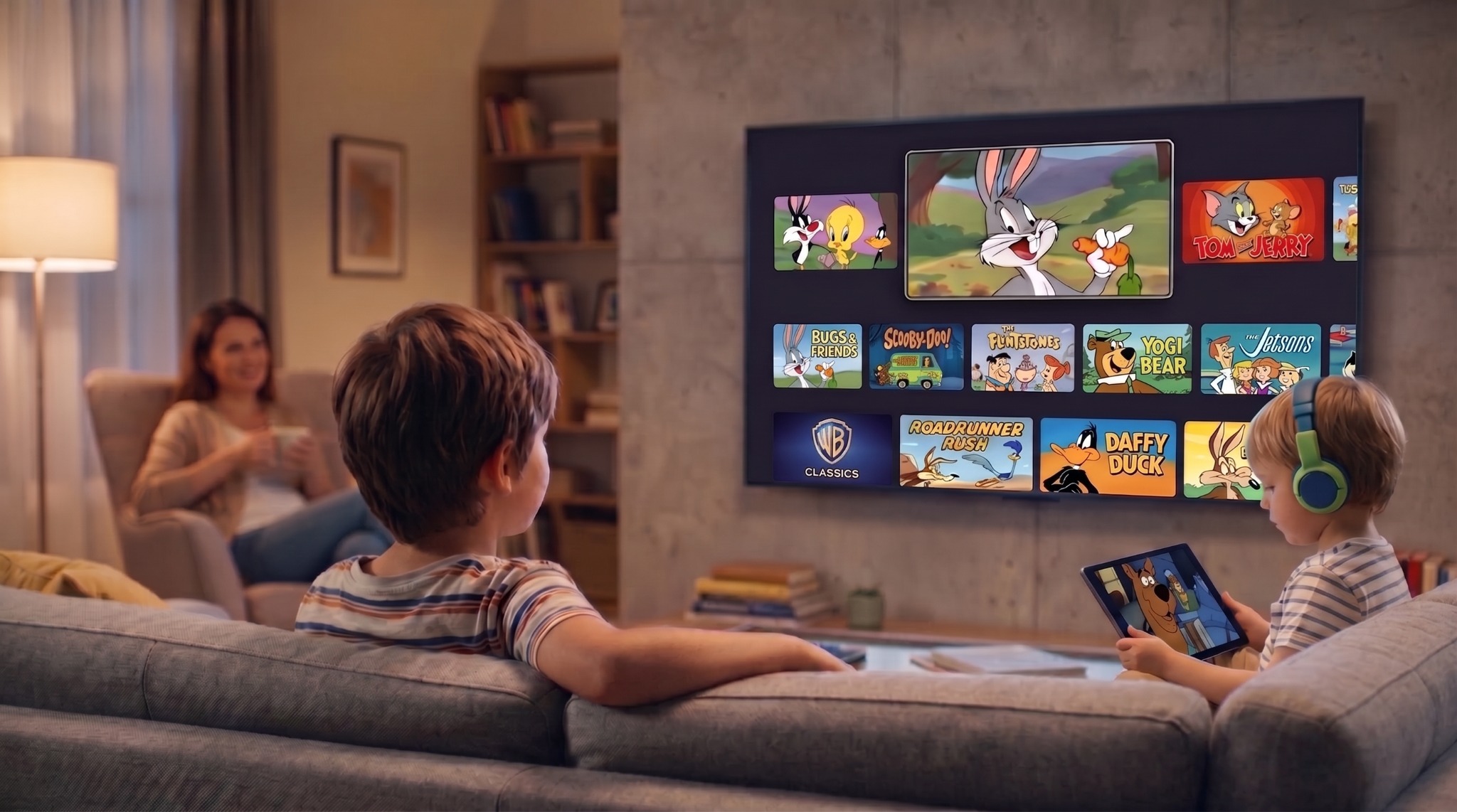
Streaming recommendations routinely place work from different decades beside one another because the viewer behavior connecting them matters more than release chronology.
A slapstick short from the theatrical era may sit beside a modern CG series. A preschool reboot may lead viewers backward to the characters that inspired it. A new feature can revive interest in decades of older work overnight.
Streaming recommendations routinely place work from different decades beside one another because the viewer behavior connecting them matters more than release chronology.
The result is a catalog in which old material increasingly functions as part of the present-tense franchise.
For performers, that can be both flattering and financially complicated.
A character may suddenly be visible to millions of new viewers while the compensation governing that performance remains tied to a contract written for a completely different distribution system.
SHOWBIZ has already documented the residual problem facing animated performers whose older agreements contemplated theaters, television packages and home video but not permanent worldwide availability on demand.
Streaming did not create the old contracts.
It made their age impossible to ignore.
FROM RERUN TO REBOOT
Studios are also using library performance to answer a question Hollywood once settled through instinct:
Does anybody still care?
A revival used to require executives to make that judgment largely from nostalgia, merchandise, ratings history and whatever somebody remembered from childhood.
Now there is viewing data.
A forgotten supporting character can begin drawing unusual engagement. An old series can outperform newer material in a particular territory. A franchise thought to belong mostly to adults can suddenly develop a young audience.
Those signals do not automatically produce a reboot.
But they make the pitch considerably easier.
Animation executives describe development meetings increasingly beginning with evidence that a character already has active viewers rather than an argument that viewers might return.
The safest intellectual property in Hollywood has always been the property people recognize.
Streaming can show exactly who still recognizes it.

A CHARACTER IS MORE THAN A SHOW
That matters because animated franchises rarely stop at television.
A successful character can move among shorts, features, games, toys, apparel, advertising, live events and whatever format has been invented by the time this sentence reaches print.
Streaming therefore has value beyond subscription retention.
It keeps the character legible.
A child does not need to have seen an original theatrical run to understand who a famous duck, mouse, rabbit or mystery-solving dog is. The library can provide the introduction continuously.
Studios have begun treating that familiarity almost like infrastructure.
New productions can arrive in a marketplace where part of the audience has already been educated by old ones.
That is particularly valuable when animation production itself is becoming more expensive and fragmented.
A completely new property has to explain its world.
An established one begins with recognition.
THE DANGER OF WATCHING THE NUMBERS TOO CLOSELY
There are limits.
Streaming data can tell a studio that people watched something.
It cannot always explain why.
Parents may be choosing a show because it is familiar. Children may leave a series playing while doing something else. A single viral clip can produce a temporary spike that looks larger inside a dashboard than it does in culture.
Executives also risk mistaking availability for demand.
If one franchise occupies three rows of a homepage while another requires a search, the resulting viewing patterns are not purely democratic.
The algorithm does not simply discover popularity.
It can manufacture some of it.
That has created a familiar Hollywood feedback loop: successful properties receive more exposure, which generates more viewing, which becomes evidence that the successful property deserves more investment.
The safest bet becomes safer.
The unfamiliar bet becomes harder to justify.
For an industry already accused of depending too heavily on recognizable IP, streaming can reinforce exactly the behavior it appears to measure.
THE NEXT LIBRARY
That may be the larger shift.
Studios are no longer producing a series only for its first run.
They are producing something that may sit inside a searchable global library indefinitely.
A joke made for Tuesday night can become somebody’s first encounter with the character 20 years later.
A supporting performer can become unexpectedly popular after the production has ended.
A failed series can remain discoverable long enough to find the audience it missed the first time.
And a hit becomes not merely a hit but an asset that can continuously introduce itself to people who were not there when it happened.
The old television business asked whether viewers would show up at 8.
Streaming asks whether they might show up eventually.
For animation, “eventually” can be a very long time.
The characters are used to that.