BURBANK — There was nothing wrong with the white dot.
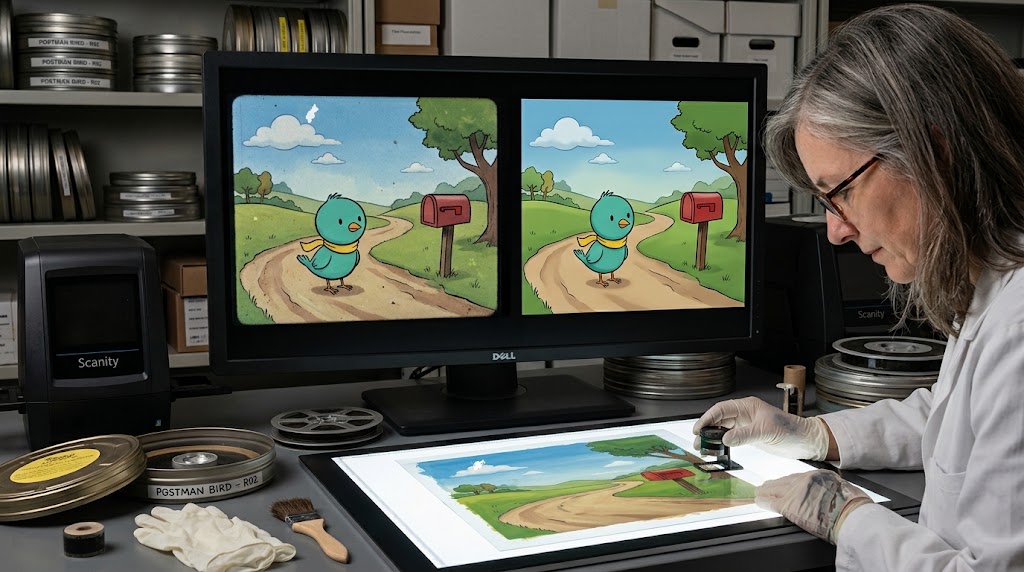
For more than 80 years, it appeared for four frames near the corner of a hand-painted background in a widely circulated theatrical cartoon. It survived film prints, television syndication, VHS, DVD and multiple remasters.
During a recent restoration, it disappeared.
The restoration team had identified the mark as debris and digitally removed it.
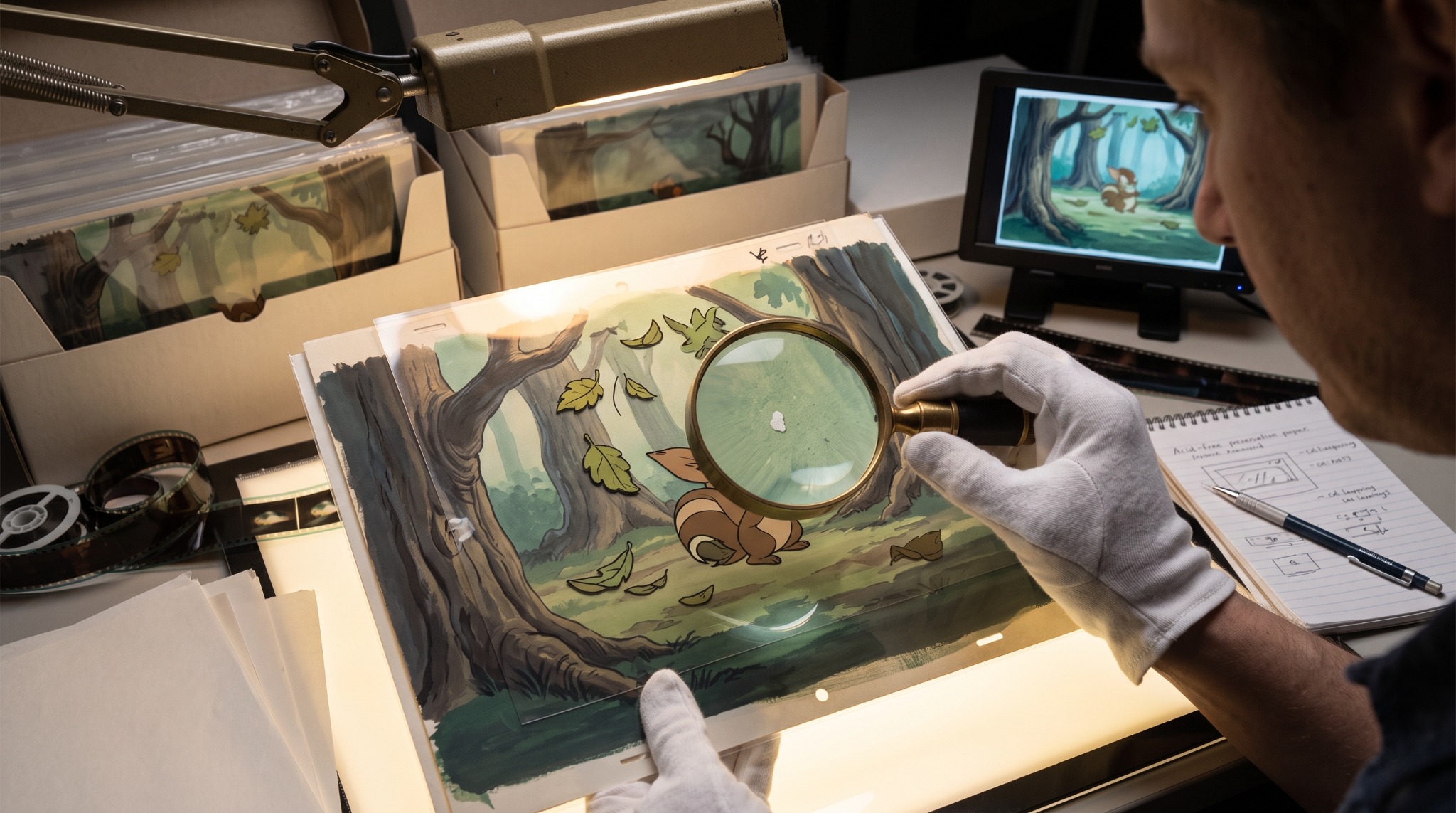
Then somebody checked the original artwork.
The dot was paint.
It had always been there.
The tiny correction illustrates a growing problem in animation preservation: modern restoration technology has become extraordinarily good at fixing old cartoons, sometimes better than the cartoons require.
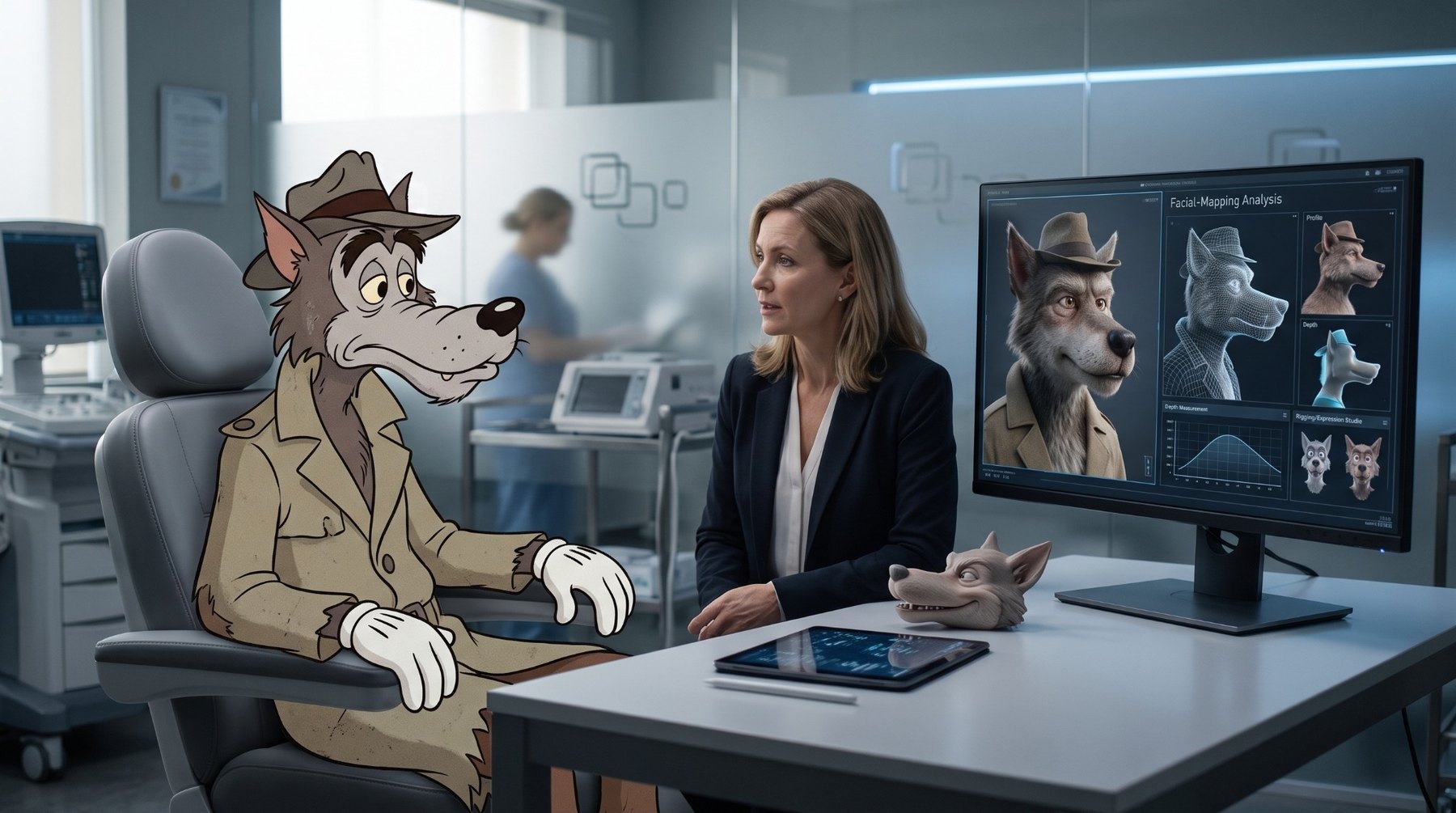
Studios can now scan original film elements at resolutions that expose individual brush strokes, cel scratches, dust, fingerprints, registration errors and tiny inconsistencies that audiences watching theatrical prints in the 1940s were never expected to see.
Software can eliminate much of that automatically.
Whether it should is becoming a far more complicated question.
RESTORATION OR REVISION?
The traditional goal of film restoration sounds simple: return the image as closely as possible to the way it originally appeared.
Animation complicates that principle.
Classic cartoons were already built from imperfections.
Thousands of hand-painted cels were photographed individually over painted backgrounds. Cels accumulated scratches. Paint thickness varied. Registration shifted slightly. Lines changed from drawing to drawing.
A character’s outline might wobble.
A color might fluctuate.
A tiny piece of dust might appear for one frame and vanish in the next.
Those flaws were once hidden by projection, film grain, print generation loss and the simple fact that audiences could not stop a theatrical cartoon on a single frame.
At 4K, they become unmistakable.
“You scan enough resolution and suddenly you can see every decision anybody made — and every mistake,” says one veteran animation preservationist. “Then somebody has to decide which is which.”
THE DIRT DETECTOR
That decision is increasingly being assisted by software.
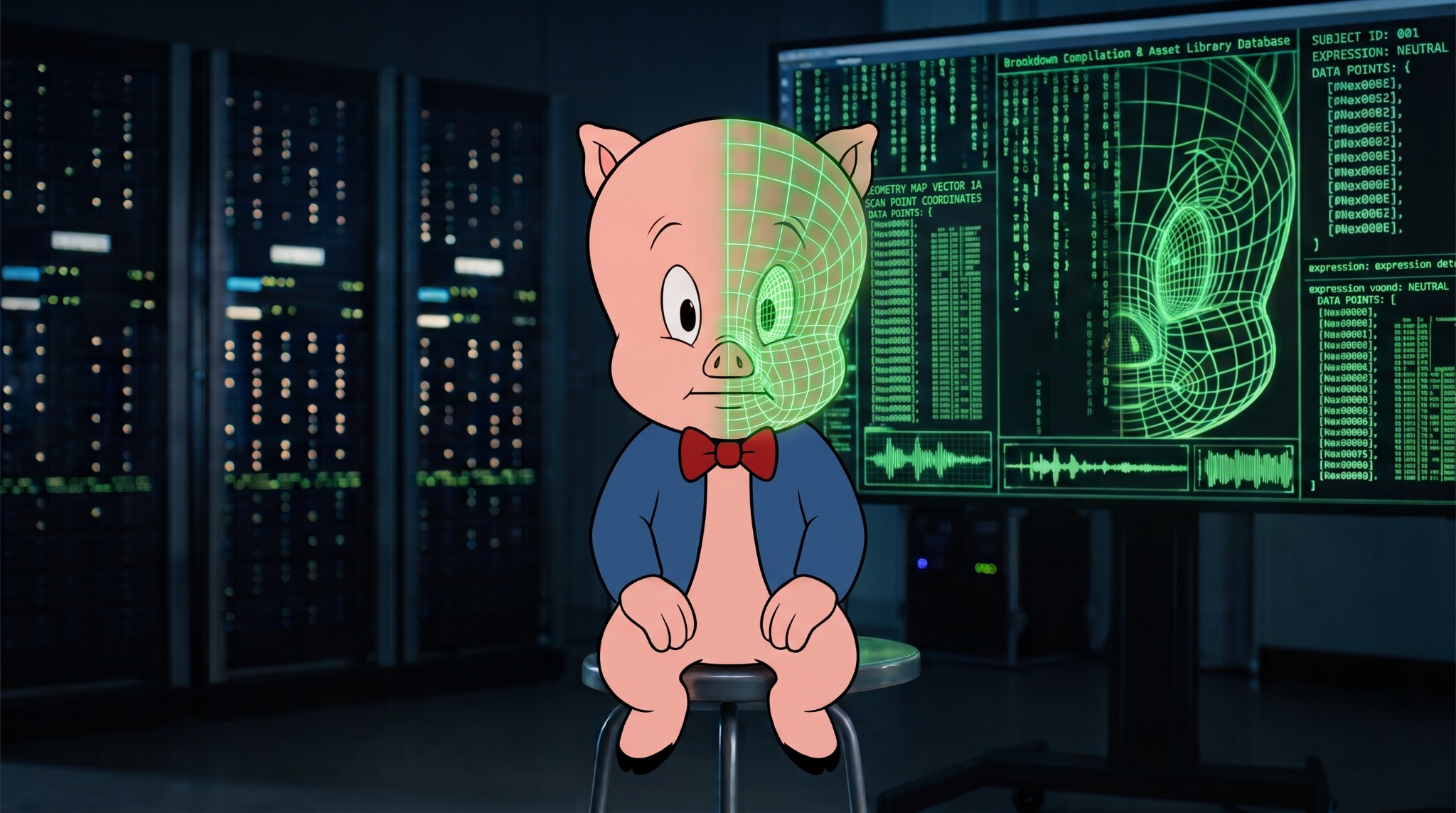
Automated restoration systems compare adjacent frames and identify objects that appear suddenly: dust, scratches, hairs, film damage or other material that likely does not belong in the image.
The result may technically reveal more of the artwork while feeling less like the film audiences originally saw.
For live-action film, the technique is relatively straightforward.
Animation is harder because intentionally drawn objects can behave exactly like damage.
A speed line may exist for only one frame.
A tiny star may appear after an impact.
A character may stretch into an impossible shape and immediately snap back.
Smoke, sparks, flying teeth, sweat droplets and debris can all look suspiciously like defects to a system trained to find visual anomalies.
Restoration artists describe spending increasing amounts of time putting things back that automated cleanup has removed.
One artist recalls a system repeatedly erasing a character’s whiskers during fast movement because their position changed too dramatically between frames.
Another watched software remove several hand-drawn impact lines surrounding a collision.
“The computer thought the animators had made a mistake,” the artist says. “The animators had made a joke.”
GRAIN ISN’T THE ENEMY
Film grain presents another debate.
Because animated artwork was photographed onto film, the grain audiences associate with classic cartoons is not part of the original cel painting.
That has led some restorations to reduce it aggressively.
But removing too much grain can create an image that never existed historically.
Flat fields of color become unnaturally smooth. Painted backgrounds start looking digital. Fine texture disappears. Ink lines can take on an overly sharp edge.
The result may technically reveal more of the artwork while feeling less like the film audiences originally saw.
Preservationists increasingly describe the goal not as uncovering the cel beneath the film but preserving the finished photographic object.
The cartoon was not the stack of artwork sitting beneath a camera.
The cartoon was the film produced by photographing it.
That distinction has become particularly important as studios prepare older libraries for modern displays.
HDR CHANGES THE PALETTE
High dynamic range creates a different challenge.
Classic animation was painted for the photographic and projection processes of its era. Artists selected colors knowing that the finished image would pass through film stock, laboratory timing and theatrical projection.
Modern HDR displays can produce blacks, highlights and saturation well beyond those conditions.
Used carefully, the expanded range can restore depth lost in faded elements.
Used aggressively, it can create colors the original artists never selected.
Reds become electric. Whites glow. Night scenes develop detail that audiences were never supposed to see.
One colorist describes the temptation as “making the cartoon look better than it ever looked.”
That, preservationists argue, is exactly the danger.
THE ORIGINAL ISN’T ALWAYS OBVIOUS
Complicating matters further, there may be no single definitive reference.
Original negatives can fade or become damaged. Release prints vary. Television masters were often altered. Later reissues may contain replacement titles or revised color timing.
Even surviving production artwork cannot always settle the question because the photographed result differed from the physical cel.
Restoration teams therefore work from a hierarchy of evidence: negatives, separation masters, reference prints, studio documentation, artwork and previous releases.
Sometimes those sources disagree.
At that point, restoration becomes interpretation.
LEAVING A LITTLE DUST
The philosophy across the preservation community is beginning to shift.
Instead of asking whether an imperfection can be removed, teams increasingly ask whether there is evidence that it should be.
Film damage remains film damage.
A torn frame should be repaired. A laboratory scratch should not become part of a character’s face forever simply because it survived on an old television master.
But an uneven paint edge, a slight registration shift or an animator’s stray mark may belong to the work in a different way.
The distinction requires something software cannot yet reliably provide: context.
A restored cartoon should look clean enough that deterioration does not distract from the film.
It should not look as though nobody ever touched a brush.
The irony of modern restoration is that preserving old animation sometimes requires resisting the technology designed to improve it.
Because if every wobble is stabilized, every speck disappears and every inconsistency is corrected, the result may be immaculate.
It just may not be the same cartoon anymore.