When Taylor Swift’s Eras Tour arrived in movie theaters, fans weren’t paying for access to the songs. They already had them.
They were paying to experience the show together.
The film ultimately grossed more than $261 million worldwide, becoming the highest-grossing concert film ever. AMC has since expanded further into music events, including limited theatrical album-release experiences.
It is a useful summary of what happened to the music business.
The song became easier to get.
Everything around it became more valuable.
THE RECORD CHANGED JOBS
Recorded music is thriving again. Global recorded-music revenue reached $31.7 billion in 2025, its 11th consecutive year of growth, fueled heavily by paid streaming.
But a recording increasingly starts a relationship rather than completing a sale.
A song can lead to a concert ticket, limited vinyl pressing, shirt, VIP package, film, streaming special or anniversary edition. Publishing and recording rights can also continue generating money through movies, television, advertising and games long after the original release.
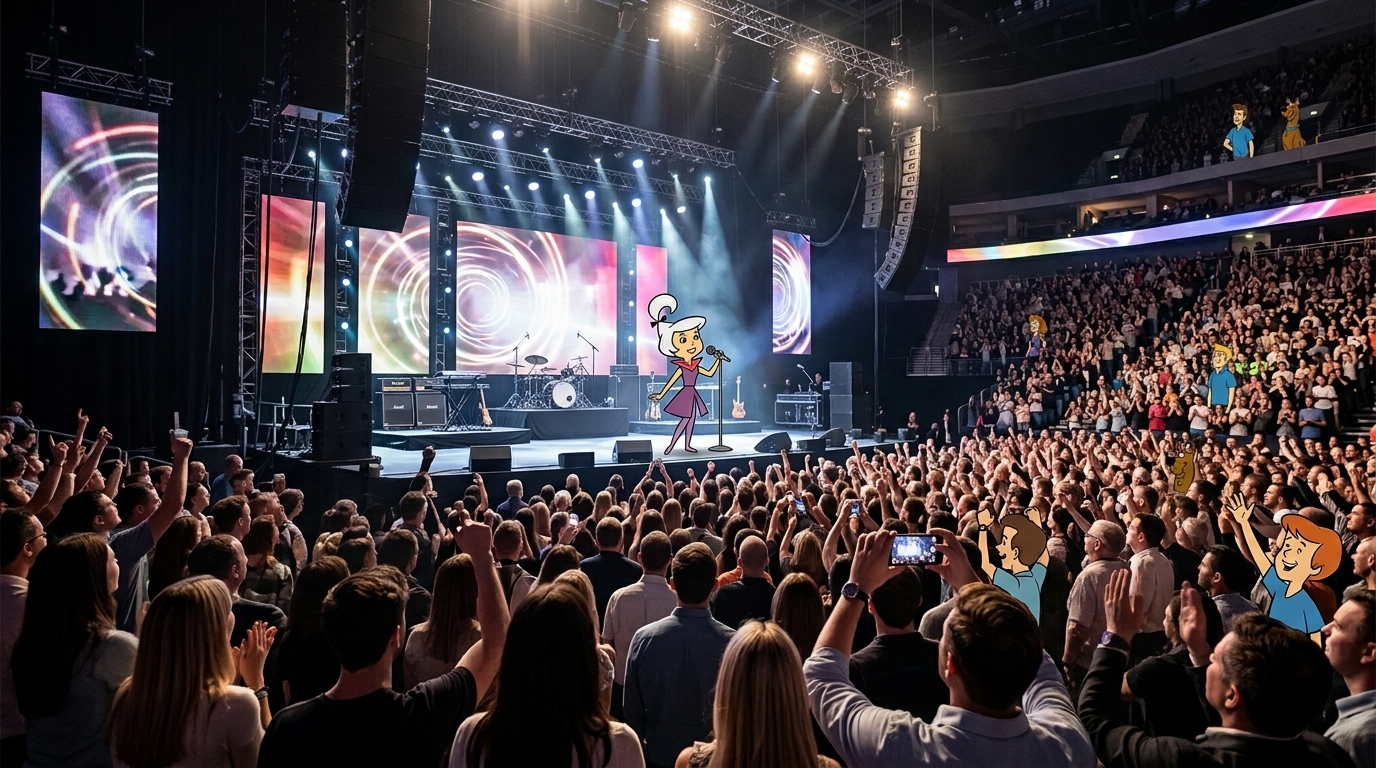
At the top of the business, live music has become the premium product. The world’s top 100 touring artists averaged more than $2.5 million per show in 2025, with record average attendance of 19,104 people a night.
The biggest concerts now offer something Spotify cannot: spectacle, proximity and the ability to say you were there.
And sometimes even the concert becomes reusable. A stadium show can become a theatrical release, then a streaming special, live album and another merchandise cycle. ABBA Voyage, meanwhile, turned digital performances by the group into a continuing London attraction accompanied by a live band.
The performance itself has become a product.
“The song became easier to get. Everything around it became more valuable.”
WHEN ANYONE CAN PUT OUT A SONG
At the other end of the business, the barriers to entry have collapsed.
Artists no longer necessarily need a major label to place music in worldwide distribution. They can record independently, distribute tracks digitally, promote them online and sell directly to listeners.
Spotify says that more than a third of artists generating at least $10,000 in royalties there in 2025 were DIY artists or began their careers self-releasing through independent distributors.
That freedom brings a different problem.
Anybody can release a song.
Getting anybody to care about it is harder.
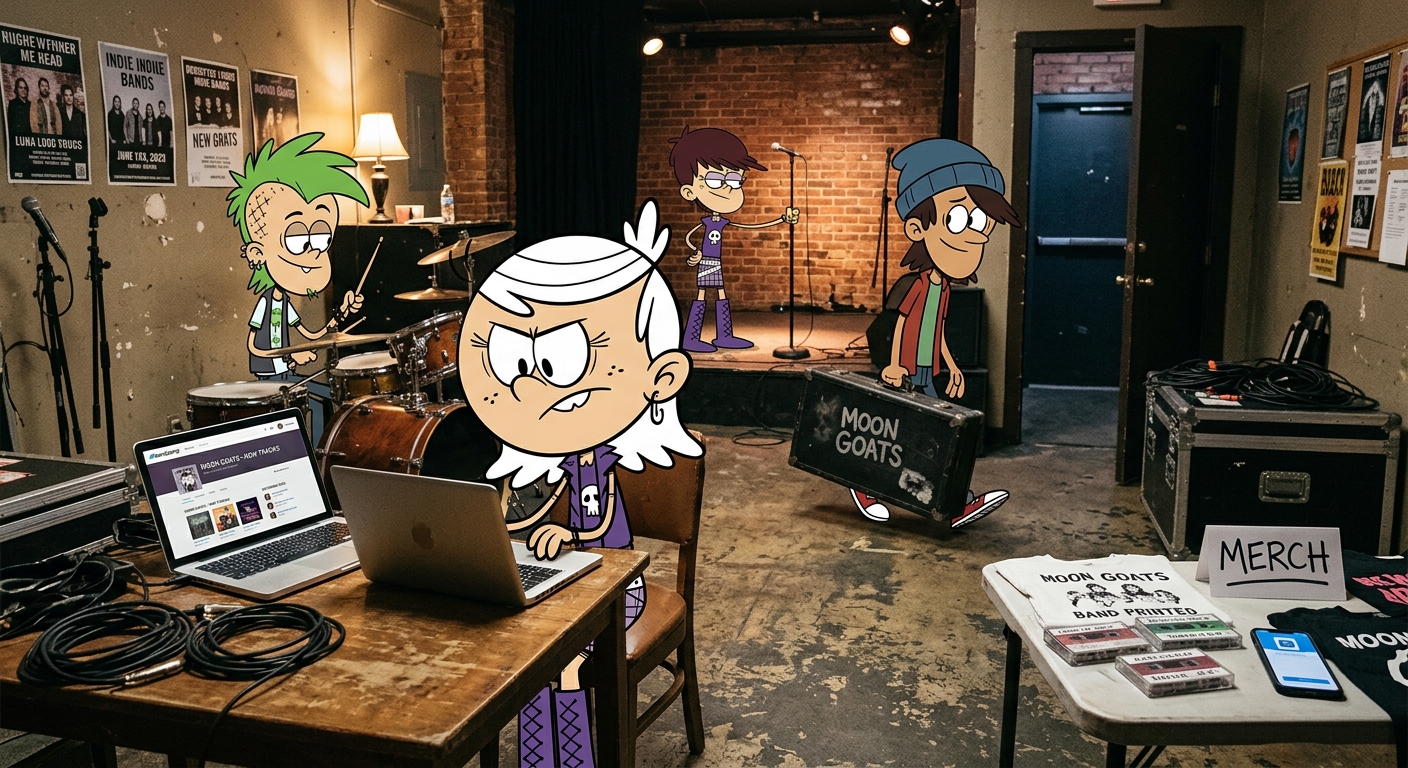
Luna Loud and the Moon Goats know the distinction.
The band spent its early years entering contests, playing whatever gigs it could find and even taking jobs to pay for new equipment. Today they can put a new single into global circulation without waiting for a record executive to approve it.
Then they have to sell it.
“Everybody tells you how easy it is to put a song out now. They’re right. Putting it out is the easy bit.”— Luna Loud
The Moon Goats release independently, promote their own shows and communicate directly with listeners while continuing to build an audience gig by gig.
For emerging musicians, independence can mean more control.
It can also mean being the artist, marketing department, merch seller and social-media team at the same time.
TOONS HAVE BEEN HERE BEFORE
Toon musicians have been blurring the line between performer, character and larger entertainment brand for generations.
The Chipmunks had a No. 1 record in 1958. The Archies followed with “Sugar, Sugar,” one of the biggest pop hits of 1969. Later acts including Gorillaz and Hatsune Miku found entirely different ways of building real audiences around performers who didn’t fit the traditional singer-on-a-stage model.
Judy Jetson took another route.
Her early musical breakthrough alongside singer-guitarist Apollo Blue grew into a pop career of her own. Decades later, those records have become catalog: younger listeners discover them for the first time while longtime fans return for reissues and anniversary appearances.
A singer once associated with the future has become a legacy act.
Jessica Rabbit’s career developed almost in reverse.
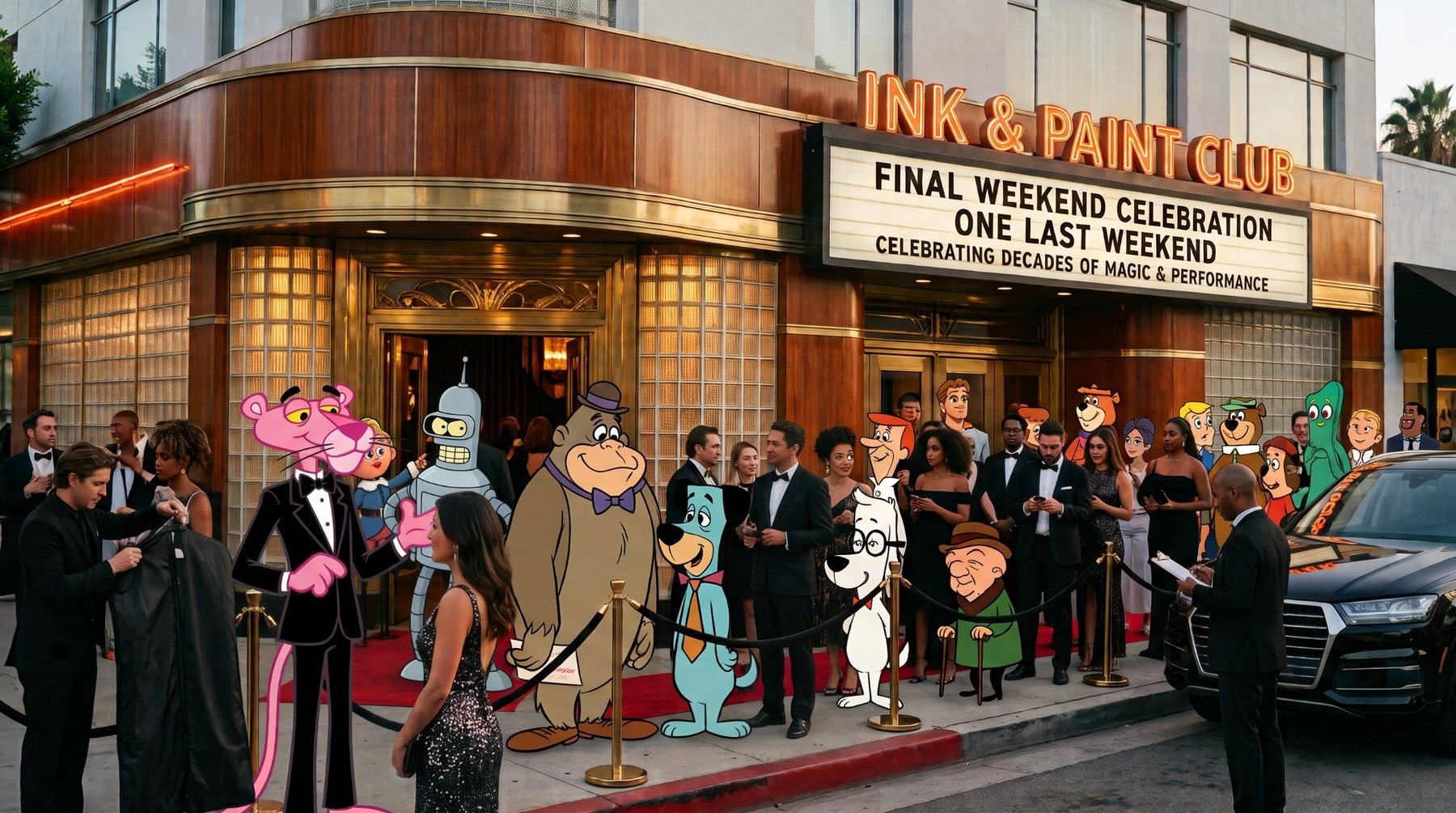
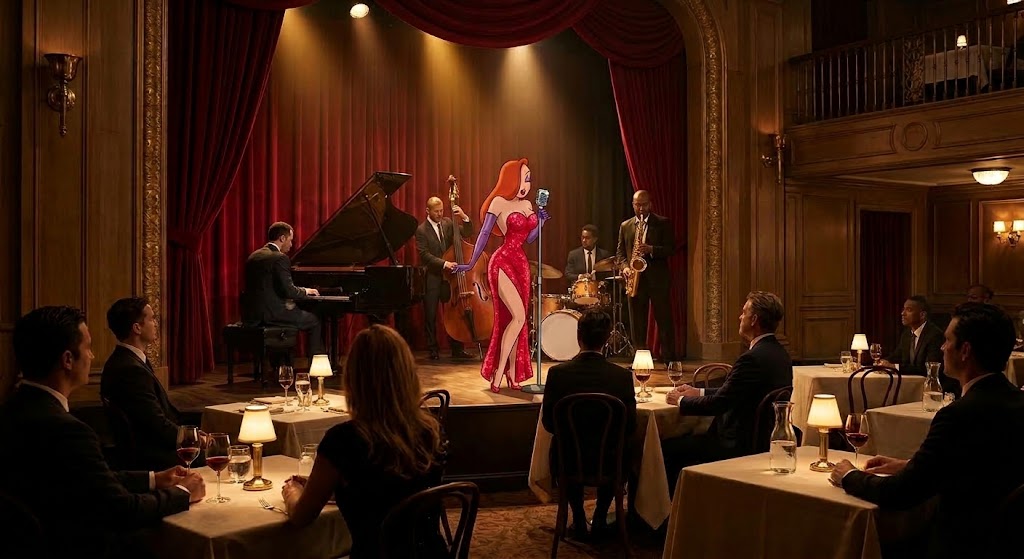
Her fame has always been larger than her discography. By 1947 she was already a marquee attraction at the Ink & Paint Club. Over time, recordings and selective appearances made her a household name without turning her into an artist who spends most of every year touring.
Now, scarcity is part of the appeal.
A Jessica Rabbit performance matters partly because there aren't very many of them.
FAME ISN’T THE SAME AS MONEY
Rabbit also understands one of the less glamorous realities behind a famous name.
“People see your name on a marquee and think money stops being something your family talks about. It doesn’t. Careers have expenses. Families have expenses. Roger has always worked, and I don’t think I could stop him if I tried. The more successful you become, the more people count on you.”— Jessica Rabbit
Success can enlarge a performer’s obligations along with their income.
Managers, musicians, crews, travel, commissions and taxes all sit between a headline gross and take-home pay. Outside the business, parents age, people get sick and relatives need care. A larger income often means a larger circle of people an artist is able — or expected — to support.
That is why enormous tour numbers can distort the picture of the industry beneath them.
A major U.K. census of professional musicians found average annual income from music work of just £20,700, with 43% earning less than £14,000 and more than half relying on income outside music.
The stadium business can be booming while ordinary musicians are still calculating whether the next run of dates will cover transportation, lodging and equipment.
Both realities can exist at once.
WHAT CAN’T BE STREAMED
The modern music business offers artists more ways to earn than ever: streaming, touring, licensing, direct sales, merchandise, theatrical events and catalog ownership.
It has also asked artists to do more themselves.
At every level, though, the most valuable thing may still be the thing technology cannot make unlimited.
A seat.
A night.
A room.
An audience that could hear the song somewhere else but came anyway.
The platforms changed.
The economics changed.
That part didn’t.
You had to want to be there.